
The forts around Lonavala: a quiet weekend beyond the crowds
Skip the chikki shops and the bumper-to-bumper viewpoint queues. Climb a little higher, start a little earlier, and the same Sahyadris reveal old Maratha ramparts, empty plateaus, and sunrises over a sea of cloud.
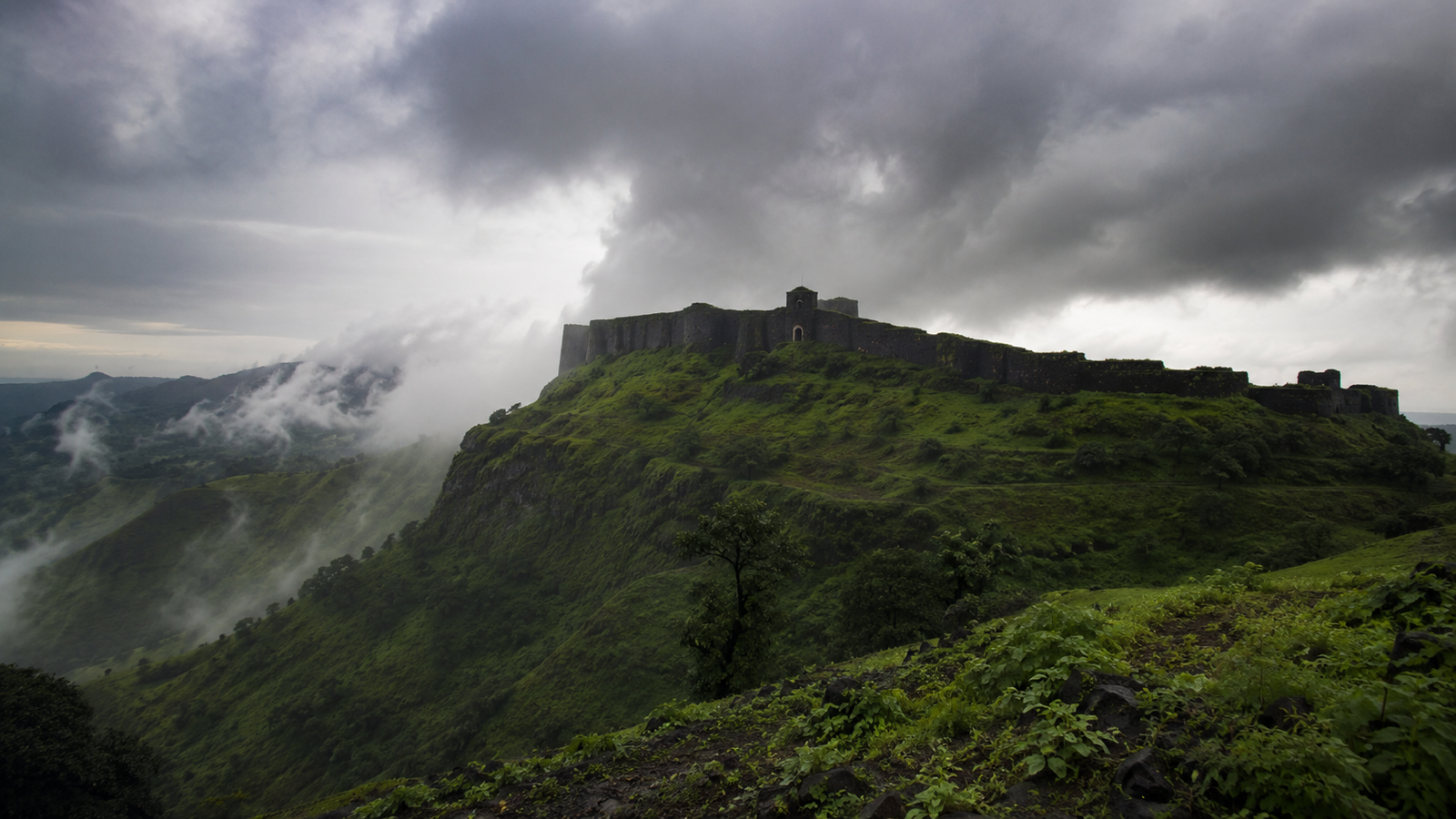
Lonavala is one of the most visited hill stations in Maharashtra, and on a monsoon weekend it can feel like the whole of Mumbai and Pune has shown up at once. But just beyond the chikki shops, the viewpoint selfie spots, and the bumper-to-bumper traffic on the main road, there’s a different Lonavala — one of old Maratha forts standing on green plateaus, sunrise climbs through the mist, and trails where you might not see another soul for an hour. The hills around Lonavala are dotted with forts that once guarded the trade routes through the Sahyadris. Three of them — Lohagad, Visapur, and Tikona — are well within reach of a weekend trip.
Lohagad for the accessible classic, Visapur for the quieter, wilder cousin, and Tikona for the compact climb with the big views — three Sahyadri forts within easy reach of Mumbai and Pune. Best done October to February for clear, comfortable trekking, or in the monsoon for atmosphere (with caution). The single most effective crowd-avoidance tactic is starting at sunrise. Stay overnight near Pawna Lake or the Lohagad base and beat the day-trippers entirely.
In this guide
When to go
The forts around Lonavala are gorgeous in the monsoon (June–September), when the hills turn emerald, waterfalls appear, and clouds drift across the ramparts. This is also, predictably, when they’re busiest — Lohagad in particular sees heavy weekend footfall in the rains. Post-monsoon (October–November) is arguably the sweet spot: the green lingers, the trails are less slippery, the air is clear, and the crowds thin out. Winter (December–February) is excellent for trekking — cool, dry, and comfortable. Summer is doable for early-morning climbs but gets hot and hazy by mid-morning, so start before dawn.
Whatever the season, the single most effective crowd-avoidance tactic is timing. Arrive at the base at or before sunrise. Day-trippers from Pune and Mumbai typically don’t reach the forts until late morning. If you’re climbing as they’re arriving, you’ll have had the summit largely to yourself — and you’ll have caught the best light of the day.
Monsoon
Dramatic green and cloud-soaked walls — but slippery, crowded on weekends, and one Visapur approach turns into a genuine waterfall. Tread carefully.
Post-monsoon
October to November is the sweet spot. Trails dry out, greenery lingers, air clears, and the weekend crowds thin out.
Winter
Cool, dry, and comfortable. The best window for putting in serious trekking miles without the heat or the slipperiness.
Lohagad Fort: the accessible classic
Difficulty: Easy to moderate · Best for: First-timers, families, photographers.
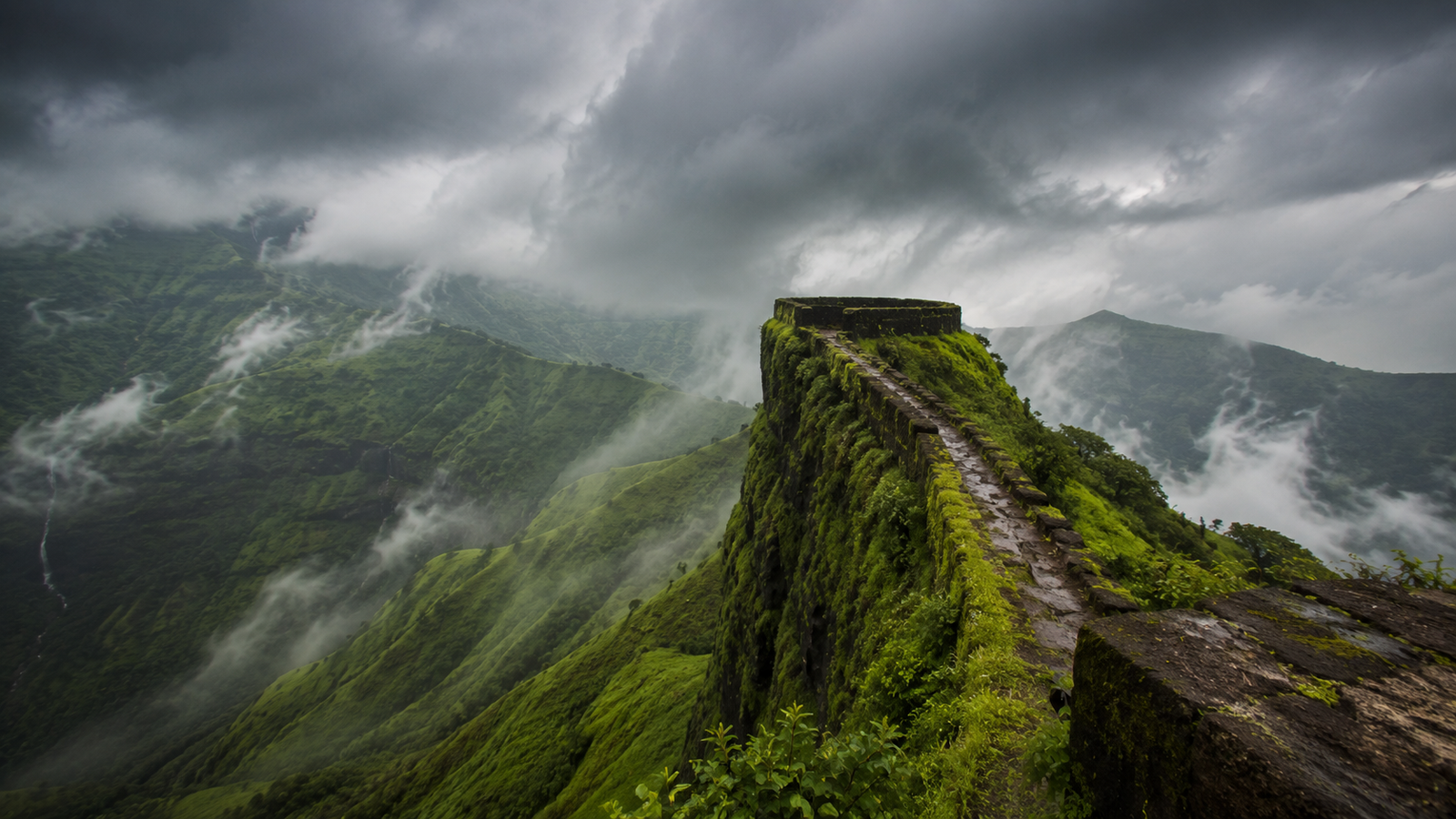
Lohagad (“Iron Fort”) is the most popular and the most approachable of the three. A well-built series of stone steps leads most of the way up, which makes it manageable for families and beginners — though “easy” still means a steady uphill climb, so don’t underestimate it entirely. The reward at the top is the Vinchu Kata (“Scorpion’s Sting”) — a long, narrow fortified spur that juts out from the main fort like a tail, with sweeping views on both sides. In the monsoon, with clouds pouring over the ramparts and the surrounding hills glowing green, it’s one of the most photogenic spots in the region.
Lohagad Fort
Roughly 45 minutes to a bit over an hour from the base village of Lohagadwadi, depending on pace. Lohagad has a long and storied past, passing through several dynasties before becoming part of Chhatrapati Shivaji Maharaj’s Maratha kingdom — it was used to store treasure at points in its history, given how defensible it was. This is the busiest of the three. Sunrise starts and weekday visits make an enormous difference; the steps can get genuinely congested on monsoon Saturdays.
Visapur Fort: the bigger, quieter neighbour
Difficulty: Moderate · Best for: Trekkers wanting fewer crowds and a wilder feel.
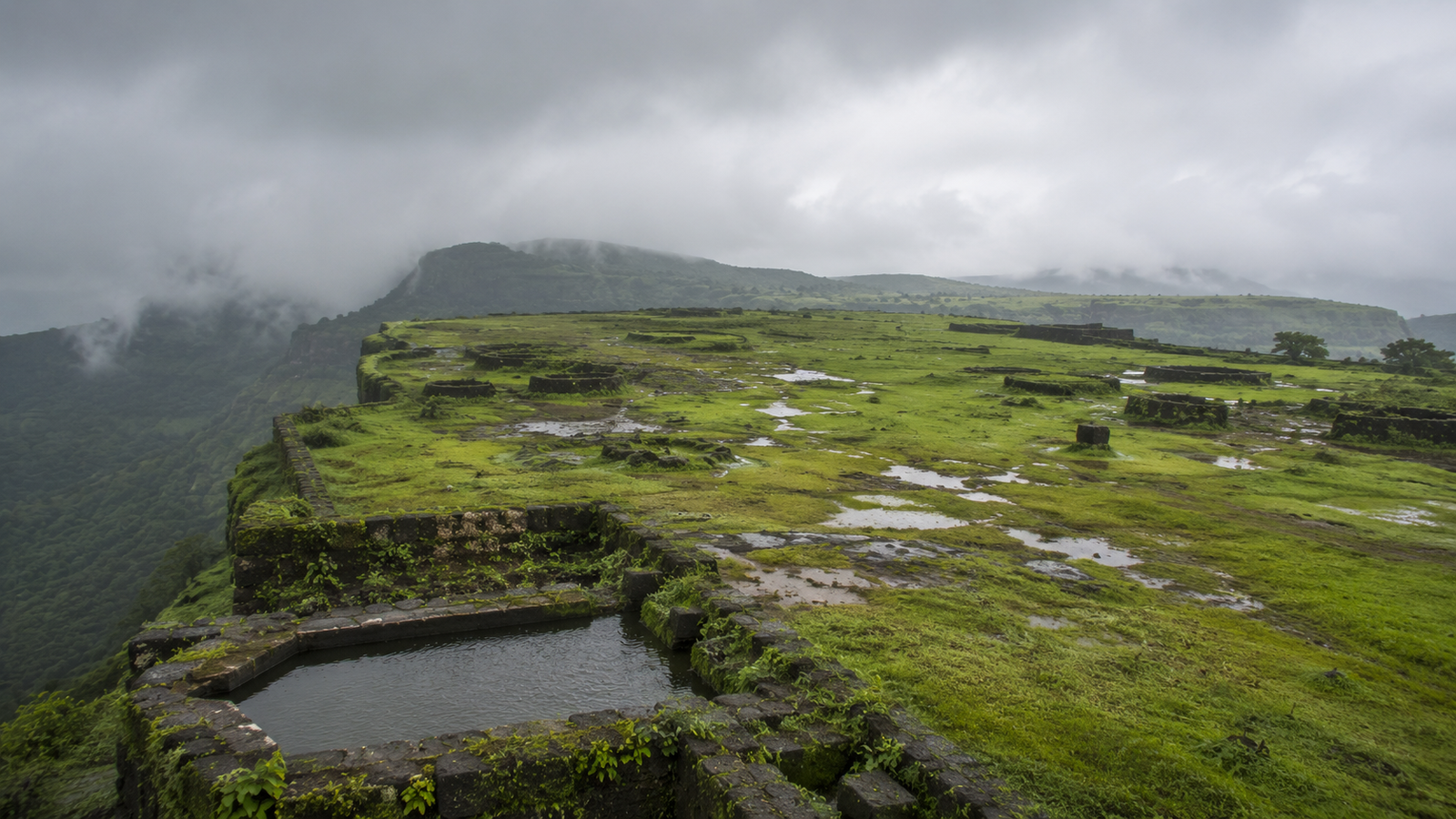
Visapur sits right beside Lohagad — the two forts face each other across a saddle — yet it sees a fraction of the visitors. It’s larger and higher than Lohagad, and the climb is rougher and less developed, which is exactly why the crowds skip it. The trail to Visapur is steeper and rockier, and in the monsoon one popular approach turns into a streaming waterfall route — exhilarating but slippery and to be treated with respect. The plateau at the top is broad and atmospheric, scattered with old structures, water cisterns, and a sense of being somewhere far less manicured than its neighbour.
Visapur Fort
Around 1.5 to 2 hours depending on the route and conditions. Visapur was built later than Lohagad and is the higher of the two. The British captured it during the colonial era, and from Visapur’s height they were able to dominate Lohagad below — a neat illustration of why elevation mattered so much in fort warfare. Many people climb Lohagad and look across at Visapur without realising the better escape from the crowds is right there.
Visapur’s waterfall route is dangerous in heavy rain — the rocks are extremely slippery and there have been accidents. If you’re not a confident monsoon trekker, take the safer approach trail or go post-monsoon. You can technically do both Lohagad and Visapur in one long day since they share a base area, but each deserves unhurried time, so consider splitting them across a weekend.
Tikona Fort: the compact pyramid climb
Difficulty: Easy to moderate · Best for: A shorter, rewarding climb with big views.
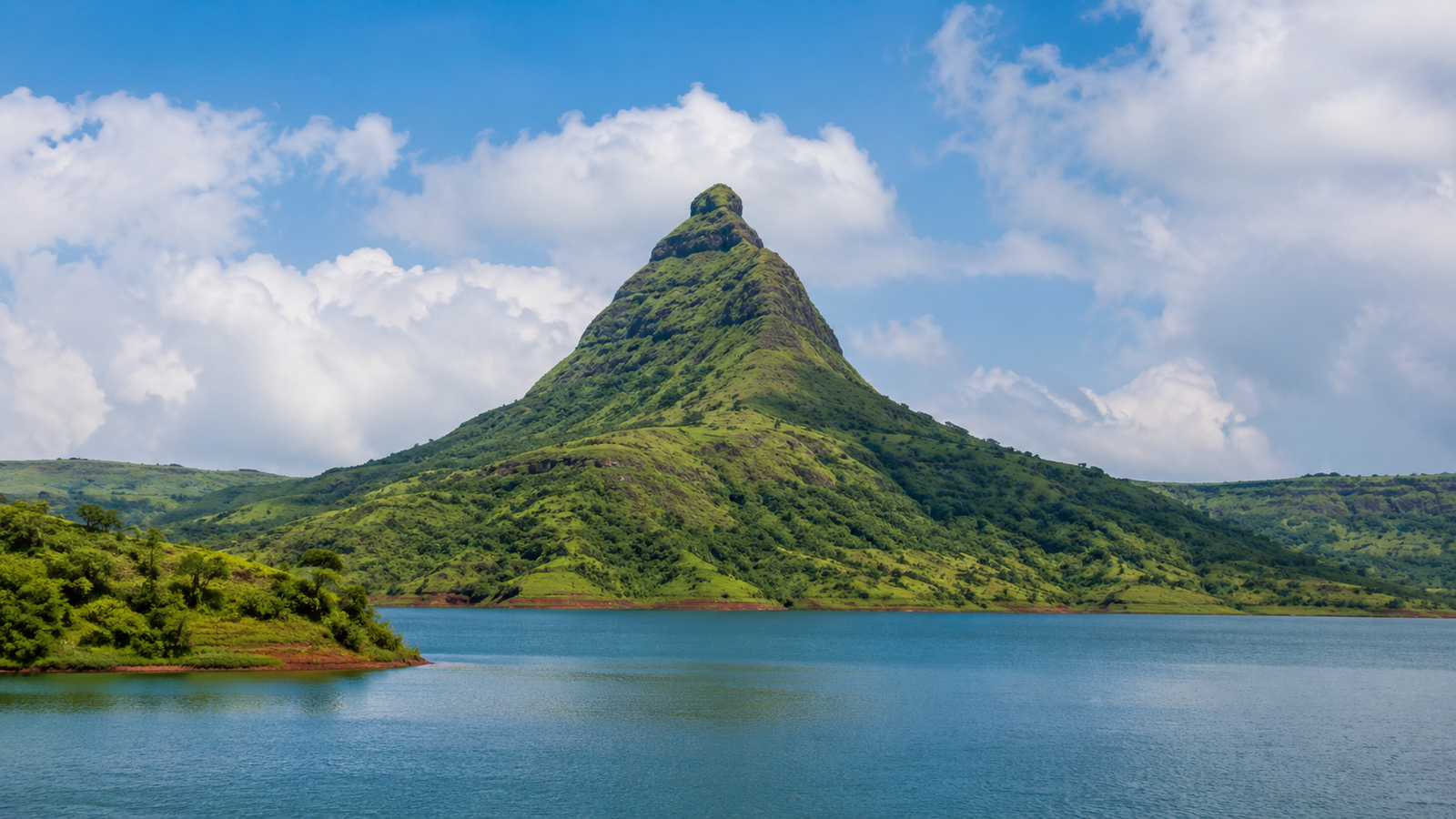
Tikona (“Triangle”) gets its name from its distinctive triangular, pyramid-like shape. It’s a compact hill fort near the Pawna Lake area, and while the climb is short, the final stretch is steep enough to get your heart going. The summit offers commanding 360-degree views — over Pawna Lake, the surrounding ranges, and on clear days, neighbouring forts.
Tikona Fort
Around 45 minutes to an hour from the base — one of the quicker climbs, which makes it a good choice if you want a fort experience without a full day’s trek. Tikona guarded the Pawna Maval region and was part of the network of forts controlling these hills. Like its neighbours, it changed hands between Maratha and Mughal control over the centuries. The last section near the top is steep with exposed rock — watch your footing, especially in the wet.
Lonavala doesn’t have to mean traffic jams and crowded viewpoints. Climb a little higher, start a little earlier, and the same hills reveal old stone ramparts, empty plateaus, and sunrises over a sea of cloud.
— Travel India
How to avoid the weekend crowds
The Lonavala area is one of the most accessible escapes from both Pune (around 65 km) and Mumbai (around 95–100 km), which is exactly why it gets swamped on weekends. A few strategies make all the difference between a trek and a queue.
- Start at sunrise. This is the big one. Be at the base by 5.30–6 am and you’ll climb in cool air, catch the best light, and summit before the crowds arrive. You’ll also get the sunrise itself, which over a misty Sahyadri valley is reason enough to set the alarm.
- Go on a weekday. If your schedule allows it, a Tuesday at Lohagad is a different planet from a Saturday.
- Choose Visapur over Lohagad if you specifically want solitude — same base area, far fewer people.
- Avoid long weekends and festival weekends entirely. These are the peak chaos days.
- Skip the main Lonavala town stops. The forts are the quiet part; the town’s viewpoints (Tiger’s Leap, Bhushi Dam in monsoon) are the crowded part. You can do the forts and largely bypass the tourist circus.
- Stay overnight near the base rather than day-tripping. A night near Pawna Lake or in a village near Lohagadwadi lets you hit the trail before the day-trippers have left their homes.
Practical trekking tips
Beyond the basics, two specific notes worth keeping in mind. The forts suffer from litter left by careless visitors — be the opposite; leave nothing behind and, if you can, carry out what others have left. And these are protected historical monuments — don’t carve, deface, or damage the structures. They’ve survived several centuries; your weekend doesn’t need to be the one that takes anything away from them.
A suggested fort weekend
Two days is the right shape. You can squeeze all three forts in if you’re fit and willing to push, but it’s much better to split them and give each one unhurried time.
Lohagad at sunrise, Visapur in the afternoon
Reach the Lohagad–Visapur base area before sunrise. Climb Lohagad while it’s quiet, explore the Vinchu Kata, descend for a late breakfast. Rest through the busy midday hours. If you’re feeling strong and conditions are safe, take on Visapur in the cooler afternoon, or save it for the next day. Stay overnight near Pawna Lake.
Tikona at first light, slow lakeside afternoon
Early climb up Tikona for the lake views, down by mid-morning, and a relaxed lakeside lunch before heading home ahead of the Sunday traffic. If you’d rather, swap Tikona for a long-overdue Visapur day and stretch the weekend into Monday.
Getting there
Lonavala is one of the most accessible weekend escapes in western India. The town sits on the Mumbai–Pune Expressway and has its own railway station on the Mumbai–Pune line, so reaching it is straightforward. From Lonavala, you’ll need a local cab or your own vehicle to reach the fort bases — they’re not walkable.
FAQs about the Lonavala forts
Which fort should I do first?
Lohagad if you’re new to fort trekking or travelling with family — it’s the most accessible and the most rewarding for a first time. Visapur if you specifically want quiet over crowds. Tikona if you only have half a day or want a compact climb with big views.
Can I do all three forts in one weekend?
Yes, but it’s a push. The realistic version is Lohagad + Visapur on one day (they share a base) and Tikona on the next morning. A more relaxed version is one fort per day with proper rest in between.
Is the monsoon trek safe?
Yes for Lohagad and Tikona with sensible caution — grippy footwear, no overconfidence on wet rock, and avoiding the very heaviest rain days. Visapur’s waterfall approach is genuinely dangerous in heavy rain and has caused accidents; take the safer trail or postpone.
Is it safe for solo travellers, including women?
Broadly yes, especially Lohagad which sees steady weekend traffic. Standard precautions apply: trek in daylight, tell someone your plan, avoid the tougher routes on Visapur alone, and pick a homestay with recent positive reviews from solo guests. For solo women specifically, weekday early starts are calmer than weekend crowds.
Can I camp near the forts?
Camping inside the fort structures is not permitted. Camping near Pawna Lake is popular and a great base for an early Tikona start — use reputable operators and check the safety setup carefully.
What if I just want a fort experience without a real trek?
Lohagad is your fort — the stone steps make it reachable by anyone with reasonable fitness, and the Vinchu Kata at the top is the headline view. Skip Visapur if you’re not up for steeper terrain.
Planning a Maharashtra trekking trip?
I help travellers plan slow, well-paced India trips that get the seasons, distances, and logistics right — including Sahyadri fort weekends like this one, monsoon escapes like Malshej Ghat, and coastal trips down to Tarkarli and the Konkan. Free 48-hour reply.
Plan my India trip →
Ashvinee Nagle
I’m a travel writer based in Nagpur. Through Travel India, I share honest, on-the-ground guides shaped by years of travelling across India.

Written by Ashvinee Nagle
I travel India slowly and write it down honestly - practical guides and real itineraries from someone who lives here.
About Ashvinee →Plan your India trip with us
Get one short, honest India travel guide a week — plus a free 7-day Rajasthan itinerary to start.
Free. Unsubscribe any time.