
Why Tarkarli is Maharashtra’s most underrated beach escape
Clearer water than Goa, Malvani fish thalis cooked by someone’s grandmother, and a stretch of Konkan coast that has stayed quietly off the main tourist circuit — here’s how to do it slowly.
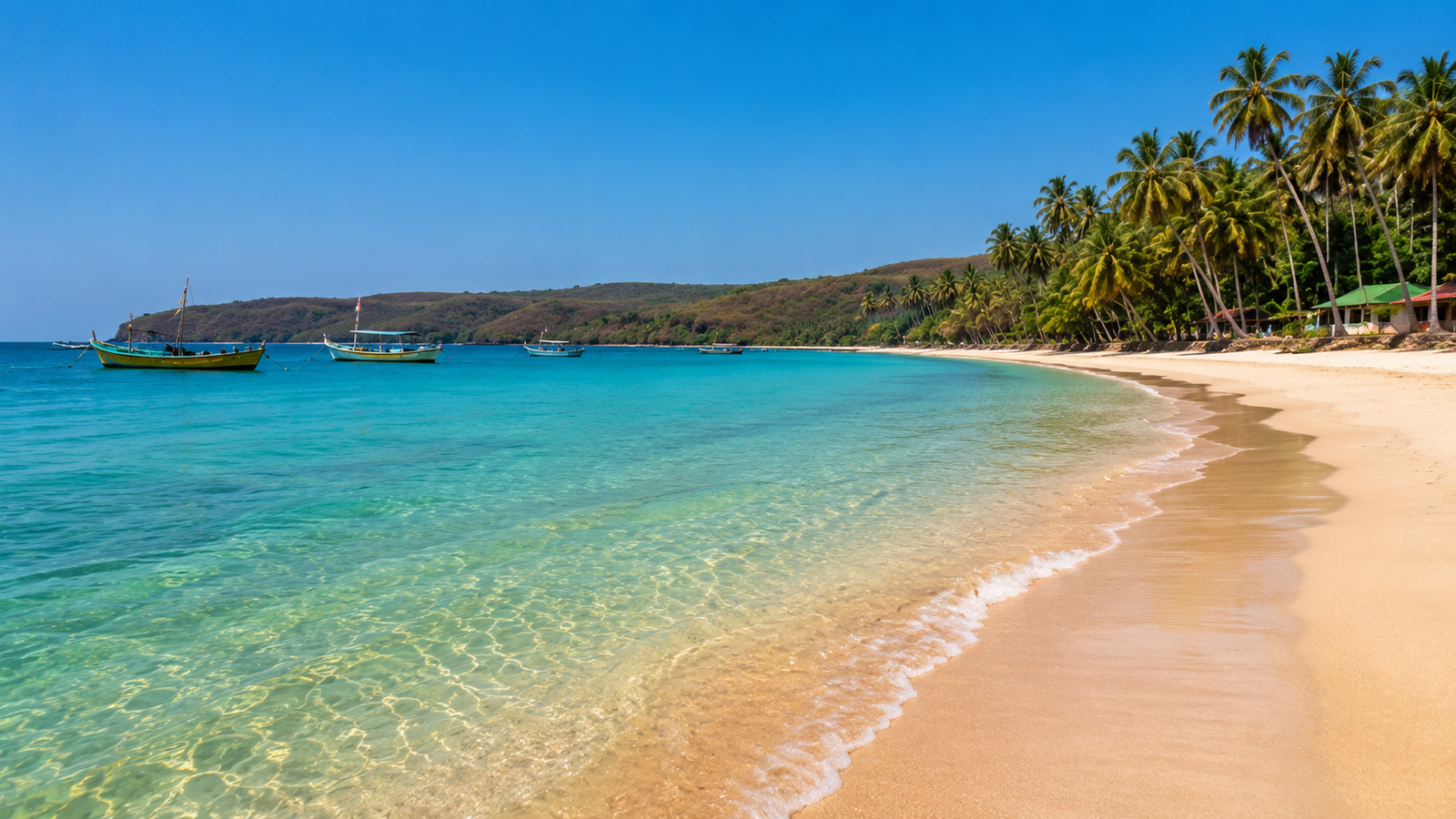
Everyone heading to the Maharashtra–Goa coast seems to have the same destination in mind. But a few hours before you hit Goa’s familiar beaches, there’s a stretch of coastline doing everything Goa is famous for — clear water, fresh seafood, easy living — without the crowds, the inflated prices, or the sense that you’re sharing the sand with half the country. That place is Tarkarli, tucked into the Sindhudurg district at the southern end of Maharashtra’s Konkan coast, and it’s the kind of place that makes you wonder how it has stayed this quiet for this long.
Tarkarli is a small beach village in Sindhudurg with genuinely clear water, one of India’s few accessible scuba spots, and outstanding Malvani seafood. Best visited October to May. Stay at a family homestay rather than a resort, eat the fish thali, take the boat to Sindhudurg Fort, and budget at least three nights to let the place actually slow you down. It’s a long drive from Mumbai or Pune — the distance is exactly what keeps it special.
In this guide
Why Tarkarli
Tarkarli sits on the southern end of the Konkan coast, in Sindhudurg district, just before the Maharashtra–Goa border. Geographically, it’s almost the same coastline as north Goa — the same Arabian Sea, the same coconut groves, the same fishing-village rhythm. What’s different is the development. Tarkarli has resisted the high-rise resorts and shack-lined beaches that define the Goa experience. The beaches are long, clean, and astonishingly empty even on weekends.
The big draws are simple and specific: water clear enough that scuba diving and snorkelling actually make sense (rare on India’s west coast), some of the best Malvani seafood anywhere, and family-run homestays where the cooking is genuinely better than any restaurant. It’s a working coast — fishing boats still go out at dawn, the catch dictates the menu — not a tourist economy dressed up as one.
Genuinely clear water
Tarkarli and nearby Devbag have unusually clean water by Indian west-coast standards — clear enough that the scuba scene actually works.
Malvani food at its source
Coconut, kokum, fresh-ground masalas, and the day’s catch. The fish thali at a homestay here is the trip’s headline event.
Quiet by design
No nightlife, no beach clubs, no high-rises. The distance from the highway is exactly the filter that keeps it special.
The water and water sports
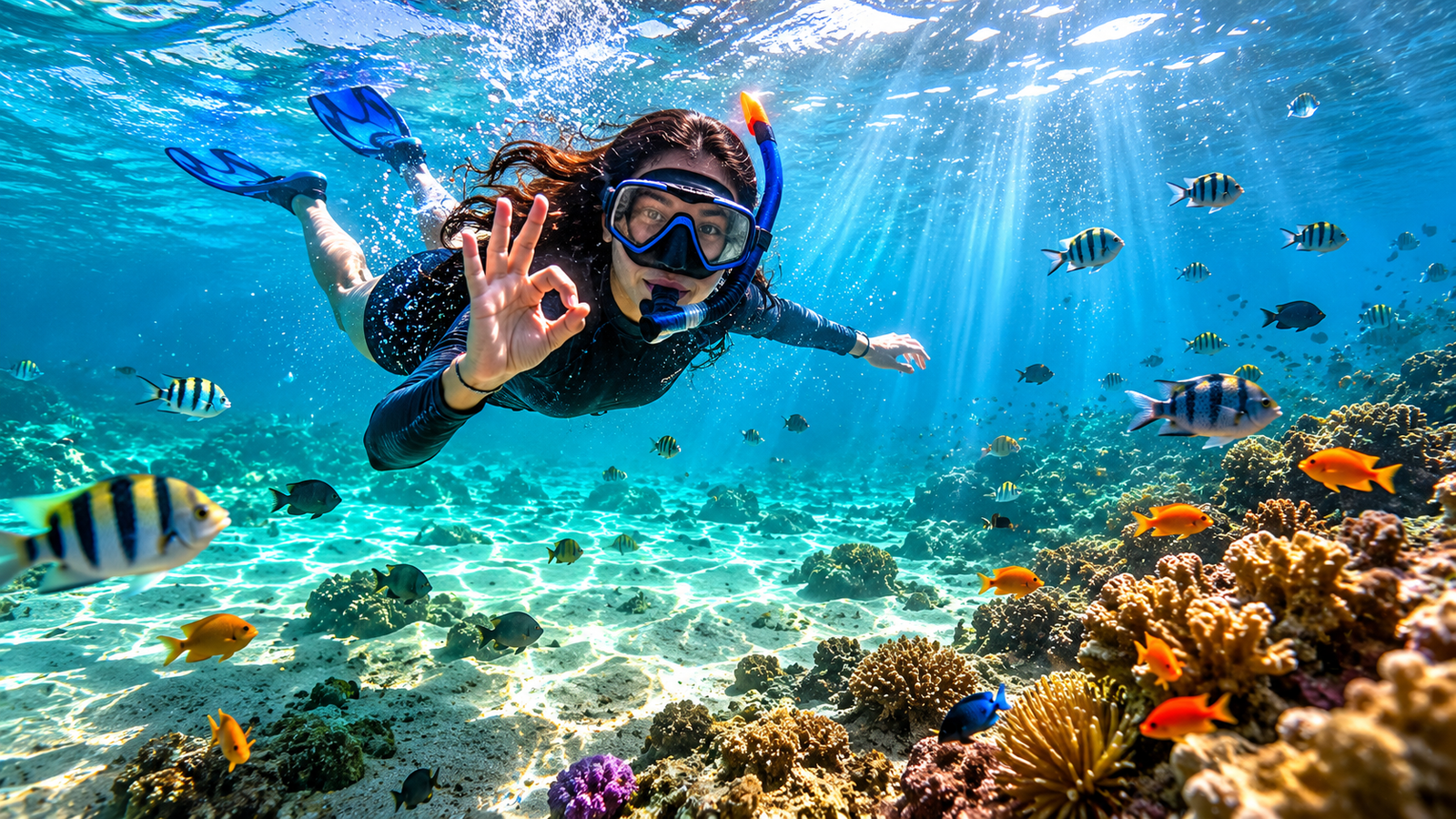
Let’s start with the thing Tarkarli is quietly famous for: the water. The beaches around Tarkarli and nearby Devbag have unusually clear, clean water — fine pale sand, a long uncrowded shoreline, and on a calm day you can wade out and actually see your feet. It feels closer to an island getaway than a mainland beach a few hours’ drive from the highway.
That water is why Tarkarli has built a modest reputation as a diving destination. Scuba operators run beginner-friendly dives that don’t require certification — a short briefing, basic training in shallow water, then a guided dive with an instructor. Visibility is best in the calmer post-monsoon and winter months. It won’t rival the world’s great dive sites, but as an accessible first dive within a road trip of Mumbai or Pune, it’s hard to beat. Snorkelling is the gentler alternative with the same payoff of clear water and marine life. Jet skis, banana boats, and parasailing operate in season around the busier stretches.
Water sports and diving are seasonal and weather-dependent. They shut down through the monsoon when the sea is rough — the working window is roughly October to May. Pick an operator who provides proper equipment and a real briefing, and don’t dive if conditions look unsafe regardless of what’s on offer.
Malvani food: the real reason to stay
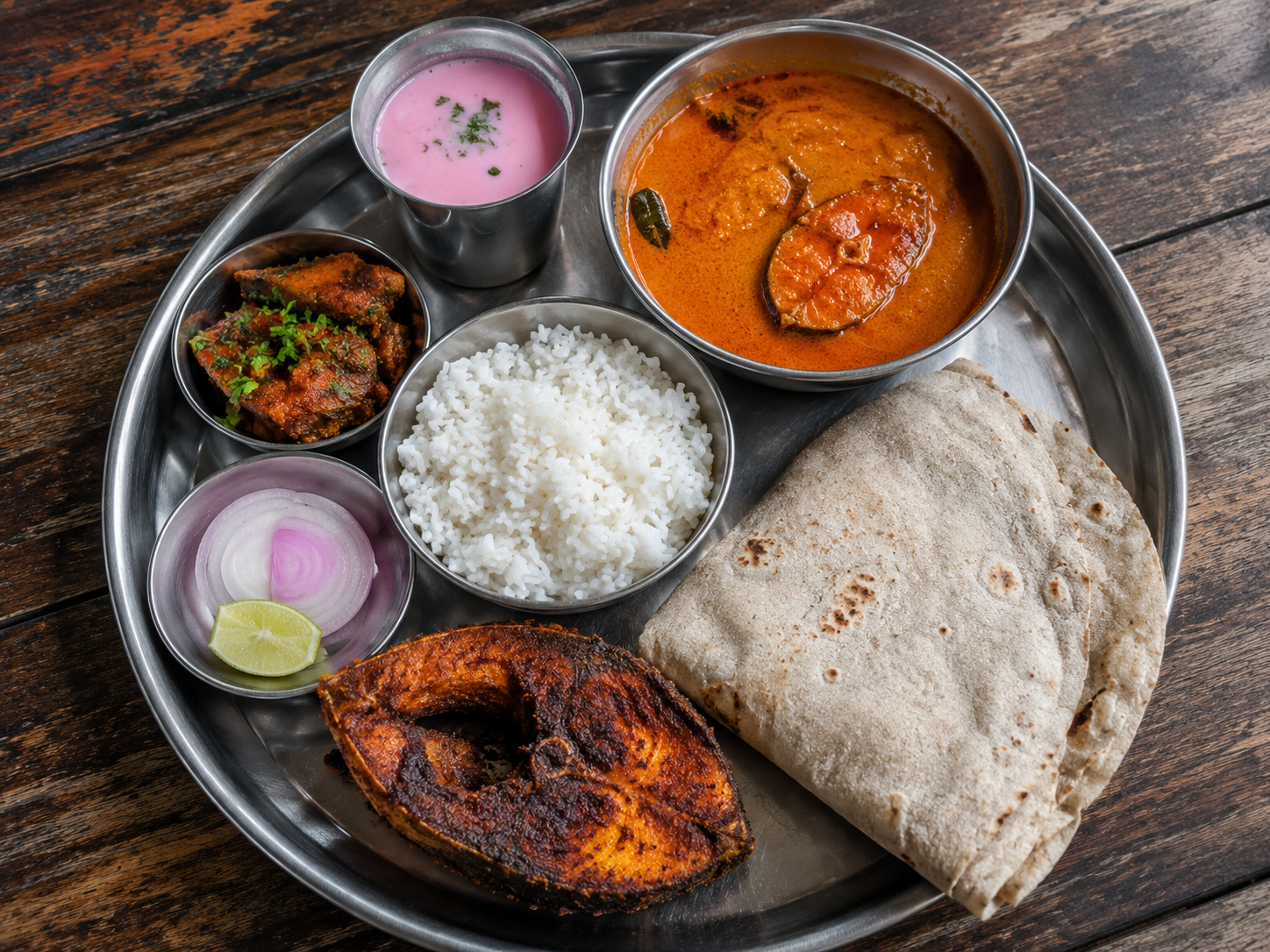
If the water gets people to Tarkarli, the food keeps them coming back. This is the heart of Malvani cuisine — the coastal cooking of the Sindhudurg region — built on coconut, kokum, fresh-ground masalas, and the daily catch. The best Malvani food in Tarkarli rarely comes from a fancy restaurant. It comes from a homestay kitchen where someone’s grandmother has been making the same fish curry for decades.
- Fish thali. The definitive Tarkarli meal — a plate piled with rice or bhakri, a fish curry rich with coconut and spice, a fried fish (often surmai or pomfret), solkadhi to drink, and an assortment of sides. Most homestays serve a version, and the homestays usually do it best.
- Solkadhi. A pink, soothing drink of coconut milk and kokum that cuts through the spice and aids digestion. You’ll want it with every meal.
- Prawns and crab. Cooked Malvani-style — expect bold, coconut-forward curries and excellent fry preparations.
- Tisrya, bangda, kombdi-vade. The deeper you go into the local menu, the better it gets. Ask what came in fresh that day.
- Vegetarian Malvani. Often overlooked but the region does excellent vegetarian food too — coconut-rich vegetable preparations with the same bright, kokum-laced character.
Quiet beaches and what to do
Beyond the main Tarkarli beach, the area rewards a bit of wandering. There’s no list of must-sees in the conventional sense — it’s more about following the smaller roads and asking your homestay where the quiet places are. That said, a handful of stops are genuinely worth your time.
Tarkarli and Devbag beaches
The main draw — long, clean, and largely uncrowded. Devbag, just south, is even quieter, and it’s where the Karli river meets the Arabian Sea in a beautiful sangam that’s reachable by boat.
Sindhudurg Fort
A short drive and a boat ride from nearby Malvan sits one of the great sea forts of the Maratha navy, built by Chhatrapati Shivaji Maharaj on a rocky island. Genuinely impressive history, and worth a half day. Boats run weather-permitting; check sea conditions before going.
Backwater and dolphin boat trips
Early-morning boat rides along the Karli backwaters often include dolphin sightings. Go early, manage expectations, and choose a boatman who keeps a respectful distance from the animals. This is also the only way to reach Tsunami Island, a sandbar that emerges near the river mouth.
Hidden coves and the rock garden
The coastline around here hides small, near-empty stretches of sand if you’re willing to ask around and explore. Ask your homestay where to go and follow the smaller roads toward the coast — the best Tarkarli moments are the ones you find by accident.
Tarkarli is what people are actually looking for when they say they want a beach holiday — clear water, fresh seafood, a homestay where someone cooks like family, and enough quiet to actually unwind.
— Travel India
Where to stay: homestays over hotels
Tarkarli’s accommodation is dominated by homestays, and that’s exactly how you should do it. The big-resort culture that defines parts of Goa simply hasn’t taken over here, and you’re better off for it — you eat better, you learn where to go, and you support the local community directly.
Family-run homestays
The classic Tarkarli stay — often right by the beach or backwaters, with home-cooked Malvani meals included or on request. The single best way to experience the place.
MTDC resort
The state tourism property offers beachfront rooms, including some near-the-sand options, for those who want something more hotel-like.
Mid-range resorts
A handful of modest-scale resorts have appeared. Tarkarli has largely resisted high-density development — keep expectations friendly rather than fancy.
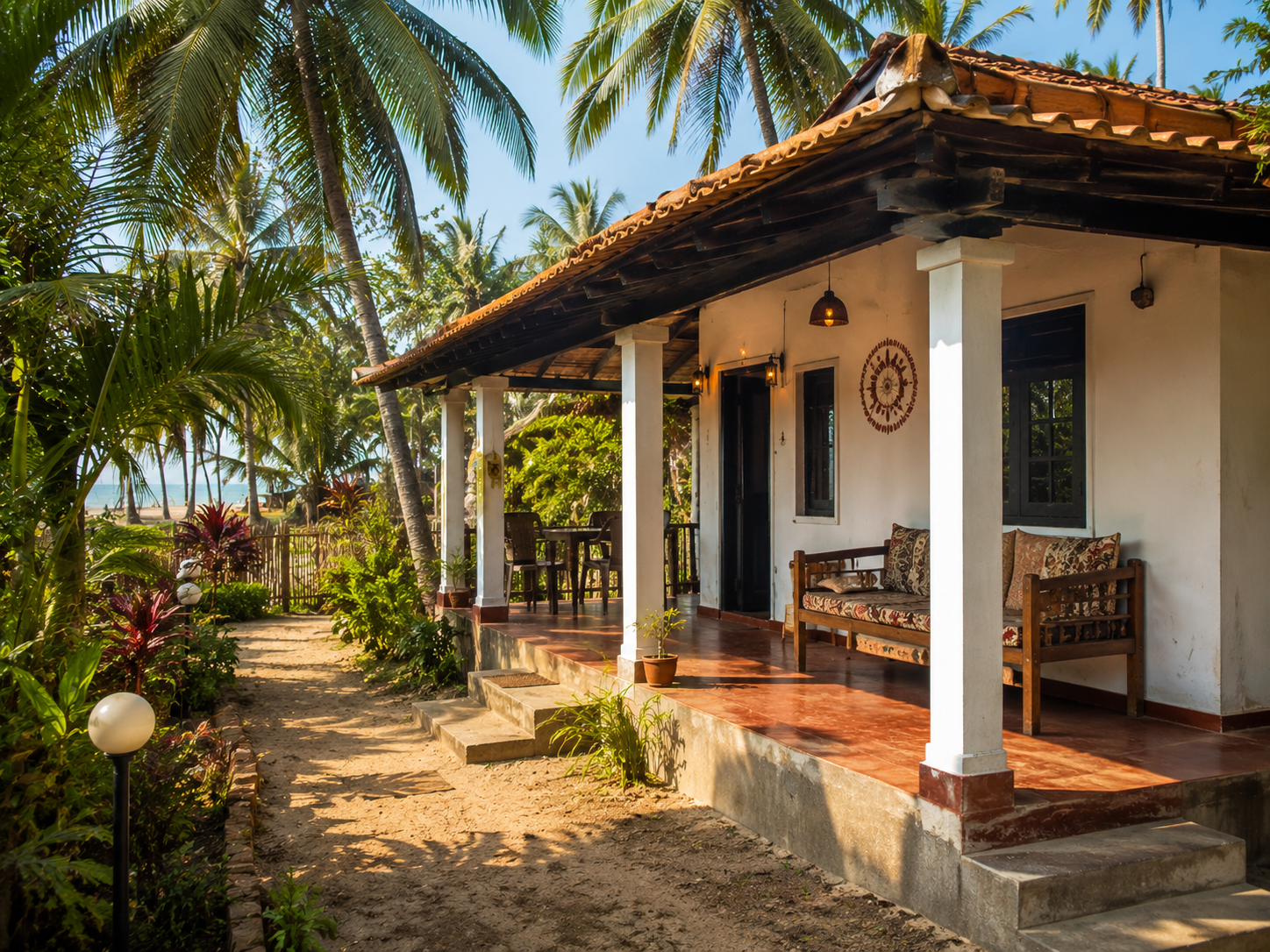
Book ahead for weekends and the winter peak. Confirm whether meals are included — with homestays, the food is frequently the best part of the deal, and most places offer half-board or full-board options that are excellent value.
How Tarkarli feels different from Goa
This is the comparison everyone makes, so it’s worth being direct. Goa is wonderful at what it does — but what it does is increasingly busy, commercial, and crowded, especially in peak season. Tarkarli offers a different proposition. On a Tarkarli weekday, especially off-peak, you can have long stretches of beach almost to yourself. There’s no nightlife scene, no beach-club circuit, no parade of shacks competing for your attention. Homestays and local food make it noticeably easier on the wallet. And the Malvani cooking, the family-run stays, and the fishing-village rhythm still feel like a real place that happens to have beautiful beaches — rather than a place built around tourism.
The catch, of course, is that Tarkarli has fewer amenities, fewer choices, and less polish. There’s no major airport nearby and the drive is long. But for a lot of travellers, that distance is exactly the filter that keeps it special. If less to do sounds like a downside, Tarkarli isn’t for you. If it sounds like exactly what a beach trip should be, you’ve found your place.
Getting there
Tarkarli is a long-drive destination — part of its charm and part of its filter. Plan for a full day on the road in either direction, and consider breaking the journey at one of the Konkan stops along the way.
The drive itself is part of the trip if you treat it that way. The Konkan coastal route winds through fishing villages, coconut groves, and ferry crossings — if you can spare a day or two extra, breaking the journey at Ganpatipule or Murud turns the drive from a slog into the start of the holiday.
A suggested itinerary
Three nights is the right minimum for Tarkarli given the drive. Four is better. Anything less and the road eats half the holiday; anything more and the slowness becomes the point.
Arrival and the first slow evening
Drive in. Long day on the road — break it with a leisurely lunch wherever feels right. Arrive at your homestay by evening, drop your bags, and walk straight to the beach for sunset. Dinner is the first fish thali. Sleep early; the morning will be worth it.
Water day
Scuba or snorkel in the morning, when the water is calmest. A long thali lunch back at the homestay. Afternoon at the beach or a short boat trip on the backwaters. Evening: slow walk, fresh seafood, an early night.
Sindhudurg Fort and a quieter beach
Boat across to Sindhudurg Fort in the morning while the sea is calm. Lunch in Malvan. Afternoon at Devbag or one of the quieter coves your homestay points you toward. Final dinner — ask for the off-menu seafood the kitchen actually cooks for itself.
A slow morning, then the drive back
One last beach walk and one last breakfast. Aim to start the drive by mid-morning to avoid arriving home too late. If you have an extra day, break the return journey at Ganpatipule or Murud rather than doing it in a single push.
Practical tips that actually help
- Break the drive each way. A single-day push from Mumbai or Pune is brutal. An overnight at Ganpatipule, Murud, or Dapoli turns the journey from a slog into part of the trip.
- Carry cash. Smaller homestays, boat operators, and roadside food shops don’t always take UPI, especially when network drops in the coastal villages.
- Book homestays directly when possible. Better rates, and you can confirm meal plans and pickup details properly.
- Confirm scuba operators in advance. Pick licensed operators with proper equipment and a real safety briefing. Don’t dive if conditions look unsafe.
- Eat where the boats land. The freshest catch is wherever the day’s landings are. Ask the homestay where the boats came in that morning.
- Don’t come for the monsoon if you came for the beach. The Konkan rains are spectacular for greenery but the sea is rough, swimming is off the table, and most water activities shut down.
- Phone signal is patchy. Download offline maps before you arrive. Jio and Airtel work in most stays but go dead on parts of the coast.
FAQs about Tarkarli
How many days do I need in Tarkarli?
Three nights is the realistic minimum given the drive in and out. Four is better. A weekend trip technically works but you’ll spend more time on the road than on the beach.
Is Tarkarli better than Goa?
Different, not better. Goa wins on amenities, nightlife, restaurant variety, and easy international access. Tarkarli wins on quiet beaches, clearer water in places, lower prices, better home-cooked food, and the feeling of being somewhere that hasn’t been built around tourism. If you’re looking for the quiet beach holiday Goa was famous for thirty years ago, Tarkarli is closer to that.
When is the best time to visit?
October to May. The sea is calmest and clearest from late October through February, which is also peak season and busier on weekends. March to May is hot but still doable and quieter. Avoid the monsoon (June to September) for any kind of water activity.
Is scuba diving safe for beginners?
Yes, with the right operator. Beginner dives don’t require certification and include training in shallow water before the actual dive. Pick a licensed operator who provides proper equipment and a real briefing, and trust your instinct — if anything feels rushed or unsafe, walk away.
Can I do Tarkarli with kids?
Yes, and it’s a particularly good destination for families. The water is calm and clean, homestays are warm and welcoming, the food is approachable, and there’s enough variety (boat rides, fort visits, beach time) to keep different ages happy.
Can I combine Tarkarli with other Maharashtra trips?
Easily, and it’s the best way to do the drive. Pair it with a few days of the Konkan road trip from Alibaug through Ganpatipule on the way down or back. A longer route can include Murud-Janjira and the Dapoli area too — making Tarkarli the satisfying southern finale of a coastal road trip.
Planning a Maharashtra coast trip?
I help travellers plan slow, well-paced India trips that get the seasons, distances, and logistics right — including coastal escapes like Tarkarli, the Konkan road trip from Alibaug to Ganpatipule, and the forts around Lonavala. Free 48-hour reply.
Plan my India trip →
Ashvinee Nagle
I’m a travel writer based in Nagpur. Through Travel India, I share honest, on-the-ground guides shaped by years of travelling across India.
Written by Ashvinee Nagle
I travel India slowly and write it down honestly - practical guides and real itineraries from someone who lives here.
About Ashvinee →Plan your India trip with us
Get one short, honest India travel guide a week — plus a free 7-day Rajasthan itinerary to start.
Free. Unsubscribe any time.