
Nagpur: A local’s guide to the Orange City
A slow guide to Nagpur from someone who lives here — the four landmarks worth seeing, the slower corners that take time to find, and the spice-heavy food culture that makes the city quietly memorable.
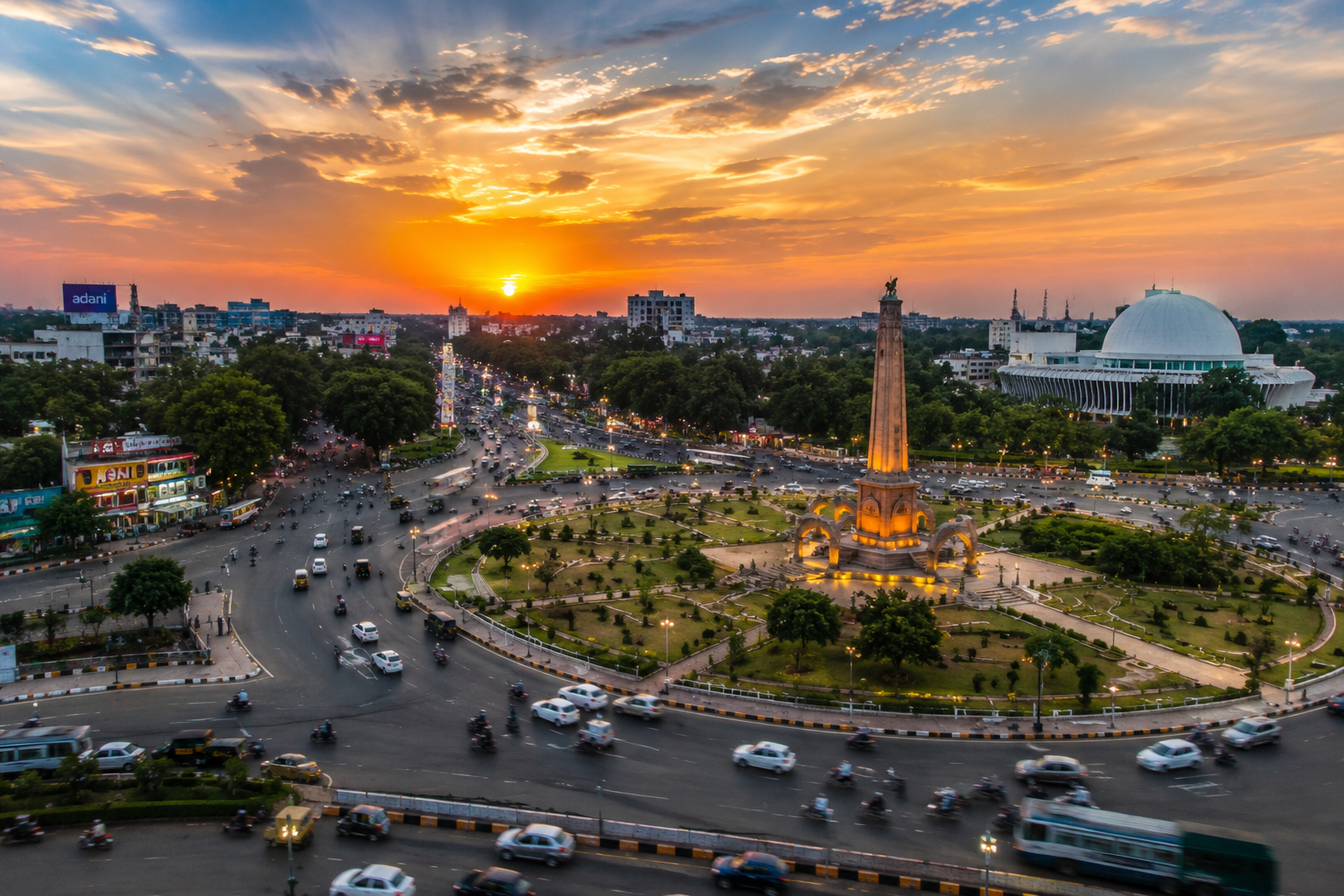
Nagpur is the kind of city most travellers fly over on their way somewhere else — usually Tadoba or Pench for a tiger safari, occasionally Pachmarhi for the hills, sometimes onward to Hyderabad or Bhopal by train. The city itself rarely gets more than an overnight. Which is a pity, because Nagpur rewards a slower visit more than its reputation suggests. The geographical centre of India, by one British calculation. The site of the world’s largest hollow Buddhist stupa. A 200-year-old hill fort in the middle of the city. And one of the spiciest regional cuisines in the country, born in a weavers’ community that migrated here in 1877 to work in Jamshedji Tata’s Empress Mills. I’ve lived here long enough to know which corners deserve a morning of your time, and which ones the guidebooks oversell.
Nagpur is best visited from October to February, with two to three days enough for the city. Base yourself in Sitabuldi or Dhantoli for central access. Cover the Zero Mile Stone, Deekshabhoomi, Futala Lake, and Sitabuldi Fort across two days, with a morning walk through Mahal market and a Saoji meal somewhere local. Use the Nagpur Metro for distance, autos for short hops. Easy day trips to Ramtek (50 km), Khindsi Lake, Pench, and Tadoba. Skip April through June — the heat is genuinely brutal.
In this guide
Why visit Nagpur
Nagpur sits at the geographic heart of India, which is a fact the city wears with quiet pride. The British marked the centre of pre-partition India here in 1907 with a sandstone pillar called the Zero Mile Stone — the reference point from which all distances on colonial maps were measured. After partition, the official centre shifted to a small village in Madhya Pradesh, but the pillar remained, along with the city’s identity as the meeting point of north and south, east and west India. You can feel that centrality on the ground. Marathi mixes with Hindi mixes with Telugu. Trains run in every direction. The food is southern-spice-meets-northern-grain in a way nothing else in Maharashtra quite manages.
The city has three other genuine claims to interest. Deekshabhoomi, the world’s largest hollow Buddhist stupa, marks the spot where Dr. B. R. Ambedkar converted to Buddhism with hundreds of thousands of followers in 1956 — one of the most consequential moments in modern Indian social history. Sitabuldi Fort, in the middle of the city, was the site of a key 1817 battle between the British and the Marathas and is still used as an army cantonment. And the city’s Saoji food culture, brought by the Halba Koshti weavers from Madhya Pradesh in 1877, has quietly become one of India’s most distinctive regional cuisines.
The geographical heart of India
The Zero Mile Stone, built in 1907, marked the centre of pre-partition India during the Great Trigonometrical Survey.
A globally significant Buddhist site
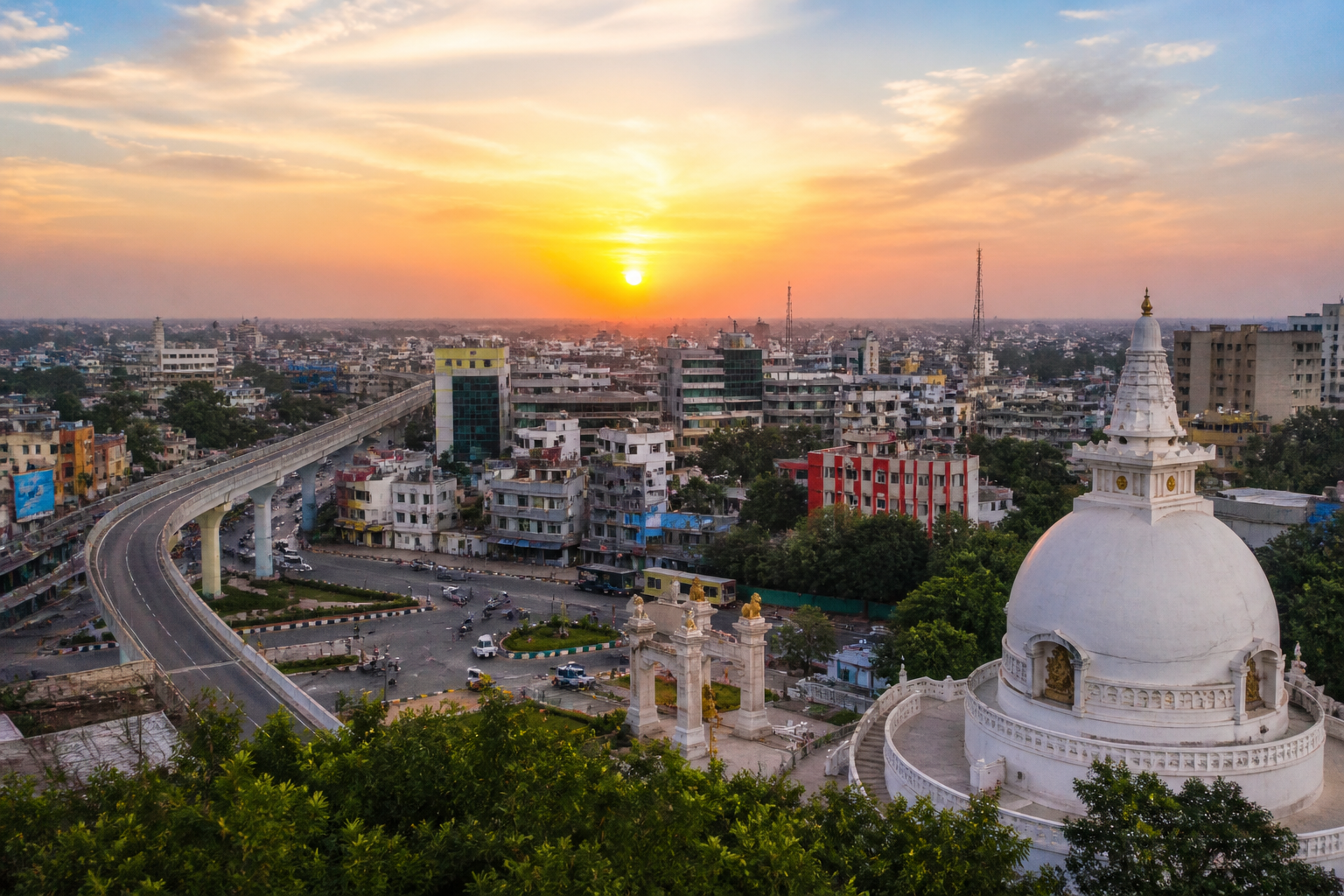
Deekshabhoomi is the largest hollow stupa in the world and a site of Buddhist pilgrimage every October.
A food culture all its own
Saoji cuisine, with its 32-spice masala and reputation for serious heat, is unique to Vidarbha and best eaten in Nagpur itself.
When to go
Nagpur’s climate splits the year cleanly. Pick the wrong window and you will spend most of your visit waiting indoors for the temperature to drop.
October to February is the right window. Days sit between 18 and 30°C, evenings turn pleasantly cool, and winter mornings in December and January can drop to 10–12°C — not Delhi-cold, but enough for a light jacket. This is also the season when the city’s famous oranges arrive in the markets, and when Diwali, Christmas, and the Dhamma Chakra Pravartan Din at Deekshabhoomi (October, the day Ambedkar converted to Buddhism) bring the city to life. November and December are the most comfortable weeks of the year.
March to June is when Nagpur becomes famously, punishingly hot. Daytime temperatures regularly cross 42°C and routinely touch 45°C in May. The asphalt radiates heat well into the night. Locals retreat indoors between 11 AM and 5 PM, and outdoor sightseeing becomes a question of mornings, evenings, and air conditioning in between. If you must travel in summer, plan dawn starts, long midday breaks, and a hotel with a working AC and pool.
July to September brings the monsoon. Rainfall is moderate — less than the Konkan coast, more than the dry interior — and the city greens up nicely. The trade-off is unpredictable showers that can disrupt outdoor plans and occasional waterlogging in older neighbourhoods. Lake walks are at their most pleasant, but day trips can get tricky if the roads to Pench or Tadoba get muddy.
If you can time it, mid-October to mid-November is the city’s sweet spot. The monsoon has lifted, the heat has not returned, the oranges are starting to come in, and Diwali decorations light up the older neighbourhoods. The Dhamma Chakra Pravartan Din at Deekshabhoomi in mid-October draws hundreds of thousands of pilgrims — remarkable to witness if you don’t mind crowds.
Getting there
Nagpur’s biggest practical advantage is its central position. The airport (Dr. Babasaheb Ambedkar International Airport, code NAG) is well-connected to Mumbai, Delhi, Bengaluru, Hyderabad, Pune, Chennai, and Kolkata, with at least a dozen daily flights to each. The airport sits about 8 km from the city centre — a 20-minute drive in light traffic. Nagpur Junction, the main railway station, is one of the busiest in central India and connects directly to every major metro.
If you are using Nagpur as a base for the wildlife reserves, the geography is genuinely convenient: Pench is 90 minutes north, Tadoba is three hours east, Kanha is a half-day’s drive northeast. The Samruddhi Mahamarg expressway has also cut Mumbai-Nagpur road time substantially — about 9 hours driving, useful for travellers connecting to the western coast.
Top things to do in Nagpur
You will not need a checklist of twenty sights here. Nagpur rewards depth over breadth. Cover the four landmarks below well, add a slow morning walk through one of the old neighbourhoods, and a Saoji meal, and you have understood the city better than most weekend visitors.
The Zero Mile Stone
The geographical centre of pre-partition India, marked by a sandstone pillar and four stucco horses, built by the British in 1907 during the Great Trigonometrical Survey. The pillar stands 310.948 metres above mean sea level — a precision that tells you everything about the obsessive 19th-century surveyors who chose Nagpur as their zero point. It is a small monument by world standards, but the idea behind it is enormous. The site is in Civil Lines, southeast of Vidhan Bhavan, and a 10-minute auto-rickshaw ride from Nagpur Junction. Free entry, open through the day, best visited in the morning or late afternoon.
Deekshabhoomi
The world’s largest hollow Buddhist stupa, built on the exact spot where Dr. B. R. Ambedkar converted to Buddhism on 14 October 1956, along with around 365,000 of his followers — one of the largest religious conversions in modern history. The 120-foot domed structure is built of white marble in a style that draws on the great stupa at Sanchi but is unmistakably modern. Inside, the central chamber holds a Buddha statue and Ambedkar’s ashes. The grounds are quiet, well-kept, and surprisingly contemplative even on busy days. Open all year; the anniversary in mid-October draws hundreds of thousands of pilgrims and is genuinely worth witnessing if your dates align.
Sitabuldi Fort
A small hill fort in the middle of the city, on the twin hillocks that gave Sitabuldi its name. The fort was the site of the 1817 Battle of Sitabuldi between the British East India Company and the Bhonsle Marathas — one of the turning points of the Third Anglo-Maratha War. The fort is still under army control and is generally open to the public only on 26 January (Republic Day), 1 May (Maharashtra Day), and 15 August (Independence Day), with guided access. Time a visit around one of these if you can. The view from the top, across the dense Sitabuldi market below and the modern city beyond, is the best vantage point in Nagpur.
Futala Lake at sunset
Futala is the city’s most photogenic lake, famous for the musical fountains that run on the eastern shore in the evenings and the food stalls that line the western road. Locals come here at sunset, families on weekends, students on weekday evenings. The fountains run roughly between 7 and 9 PM with breaks — check the schedule. The food at the stalls is mixed quality but the bhutta (roasted corn), pav bhaji, and ice gola are reliable. A slow walk around half the lake, a snack, and the fountain show is about 90 minutes. About 10 km west of the city centre.
An early morning walk through Mahal
Mahal is the old heart of Nagpur, the original walled town from the Bhonsle Maratha period. Go between 6:30 and 8:30 AM, when shutters are lifting and the spice shops on Lakdi Pul start measuring out their morning weights. The lanes are narrow, the architecture mostly faded 19th-century mercantile, and the rhythm is slow. You will find old jewellers, brassware shops, a few small temples tucked into courtyards, and breakfast stalls selling poha, samosa, and chai for ₹30. Walk without a destination; the area is small enough that you will not get seriously lost.
Seminary Hills and the Japanese Rose Garden
The greener edge of Nagpur, in the northwest of the city. Seminary Hills is a low forested ridge with walking paths popular with morning joggers and birders. The Japanese-style rose garden near the bottom is small but well-kept, and the deer park is a quiet hour for families. Best in winter when the cool air makes the climb pleasant; in summer it is too hot to bother.
Nagpur is a city you have to spend a morning with, not an afternoon. The mornings are when the markets open, the air is still cool, and the city moves at the pace it actually prefers. By midday it has retreated indoors, and by the time you get back out at five, you have missed half the day.
— Travel India
What to eat in Nagpur
Nagpur is one of the most distinctive food cities in Maharashtra, and very few visitors realise it. The cuisine is built on three pillars: Saoji food, tarri poha, and the city’s famous oranges in their winter and barfi forms. You can eat extraordinarily well here for very little money, and the spice level is genuinely serious.
Saoji cuisine
The signature cuisine of Vidarbha. A 32-spice masala dominated by dry red chillies, peppercorns, and nutmeg, traditionally cooked in jute oil, served with bhakri or rice. Spicy in a way that takes most outsiders by surprise — pace yourself.
Tarri poha
Nagpur’s breakfast religion. Flattened rice flakes topped with a spicy chickpea-and-onion gravy (the “tarri”), a sprinkle of sev, and finely chopped onions. Eaten anywhere, anytime before 11 AM.
Santra barfi
Made from the famous Nagpur orange, this is the city’s signature sweet — a soft, mildly tangy milk-fudge that tastes nothing like anything you will find outside Vidarbha. Best bought from the original Haldiram’s on Sitabuldi.
Where to eat what
For tarri poha at breakfast, the original Haldiram’s on Sitabuldi is my go-to. Yes, it is now a national chain, but the Sitabuldi branch is the one the chain grew out of, and the poha there is still the right poha. Get there before 10 AM, order the tarri poha and a kulhar of chai, and watch a slice of the city walk through.
For Saoji, you have a handful of reliable choices, none of them fancy. Chaman Saoji and Sanju Saoji Bhojnalay are small, popular, packed with locals at lunch, and serve the real spice level. Om Shakti Saoji Bhojnalay in Pachpaoli is another well-respected name. Laxmi Saoji near Bohra Masjid is busy and consistent. If you have not eaten Saoji before, start with the chicken; the mutton is hotter, and the keema (mince) hotter still. Have a glass of buttermilk on the side — it is the only thing that helps with the chilli heat.
For santra barfi, the Haldiram’s in Sitabuldi is again the place. The barfi keeps for a few days unrefrigerated, so it travels well as a gift. The boxes are a Nagpur souvenir worth carrying home.
Saoji food is genuinely among the spiciest regional cuisines in India — this is not the gentle “medium-spicy” many Indian restaurants abroad serve. Pace yourself, ask for “kam tikhat” (less spicy) if you are unsure, and always order rice or bhakri on the side to soak up the heat. The buttermilk locals drink alongside is not a garnish; it is an active counterweight.
Where to stay
For a first visit, stay central. Nagpur is bigger than it looks on a map, and the difference between a 10-minute auto and a 40-minute auto is the difference between an easy trip and a frustrating one.
Sitabuldi — the practical choice
The commercial heart of Nagpur. Walking distance to the railway station, Sitabuldi Fort, the original Haldiram’s, and the main markets. Budget hotels from ₹1,500–3,500. Best for short stays where you want everything within reach.
Dhantoli or Dharampeth — calmer base
Tree-lined residential neighbourhoods with cafes, restaurants, and mid-range hotels. Quieter than Sitabuldi but still central. ₹3,000–7,000 per night. Best for a balanced stay if you want comfort and easy access.
Civil Lines — greener and slower
The historic colonial neighbourhood near Zero Mile Stone, with bungalows, broad roads, and the city’s few heritage hotels. From ₹5,000 upward. Best for slower travel and easy access to the Zero Mile area.
How to get around
Nagpur is one of the few Indian cities of its size with a working metro — it is clean, cheap, and useful for crossing town. Combine the metro with autos for short hops and Ubers for late evenings, and you have a workable system.
Easy day trips from Nagpur
Nagpur is a remarkably useful base for central Indian short trips. Four routes cover most of what travellers want to see.
Ramtek — temples and views
About 50 km northeast, a hilltop temple complex that Kalidasa is said to have written the Meghaduta from. The Ram temple at the top is small but old, and the climb — about 350 steps — is gentle. The views across the Vidarbha plain are worth the visit. A morning’s drive, a temple, a slow lunch, and back by evening.
Khindsi Lake
Maharashtra’s second-largest lake, near Ramtek. Pair it with Ramtek for a half-day combination. Boating, water sports, and a peaceful lakeside if you go on a weekday. Crowded on weekends with the day-trip crowd from Nagpur.
Pench Tiger Reserve
About 90 minutes by road north of Nagpur, and the easier of the two big wildlife reserves to do as a quick trip. Pench is best done as an overnight, with a morning or evening safari, but determined travellers do squeeze it into a long day. Tigers are present but less guaranteed than at Tadoba.
Tadoba-Andhari Tiger Reserve
140 km east, about three hours by road. The most reliable tiger reserve in India for sightings, and the obvious extension from Nagpur if wildlife is on your list. Plan two to three days for a serious visit. Our Tadoba guide covers the gates, seasons, and booking process in detail.
A clean 2-day Nagpur itinerary
Two days is the right length for the city itself — enough to cover the four landmarks, eat at least three good meals, and walk one slow morning. Add a third day if you are folding in Ramtek; add a longer extension if you are continuing to Tadoba or Pench.
Landmarks and Saoji lunch
Start at the Zero Mile Stone in the early morning when the air is still cool. Move on to Deekshabhoomi — allow at least an hour. Late morning, walk through Mahal while the market is still active. Lunch at Chaman Saoji or Sanju Saoji Bhojnalay — this is the meal of the trip. Slow afternoon back at the hotel. Sunset and the musical fountain at Futala Lake. Dinner casual, near the lake or back in Sitabuldi.
Old city, market, and slow finish
Breakfast at the original Haldiram’s in Sitabuldi — tarri poha, chai, and people-watching. Morning walk up to Sitabuldi Fort (if your dates align with one of the open days) or a longer walk through Seminary Hills. Late morning, pick up santra barfi from Haldiram’s as a souvenir. Afternoon flexible — another Saoji place if you want a second meal, or a slow Ambazari Lake walk. Train or flight out in the evening.
Practical tips that actually help
- Drink more water than feels reasonable. Vidarbha is hot and dry for most of the year. Even in winter, the air is thirsty.
- Carry small notes. Auto fares, chai stalls, and the smaller Saoji places often want cash, and rarely have change for ₹500.
- Use UPI freely. Google Pay and PhonePe work almost everywhere now, including most Saoji bhojnalays. Easier than haggling for change.
- Plan around the heat. Mornings 6–10 AM and evenings after 5 PM are the only sensible outdoor hours from March to June. October to February, the whole day is fair game.
- The metro is your friend. For longer cross-city trips, the AC train is far better than fighting Sitabuldi traffic in an auto.
- Ask before photographing Deekshabhoomi. The stupa itself is fine; people praying inside should not be photographed without permission. The same applies in the older Mahal lanes.
- Order the chicken Saoji first. Not the mutton, not the keema. The chicken version is hot but workable; the others are for spice veterans.
Nagpur FAQs
How many days do I need in Nagpur?
Two days is right for the city itself. Three days lets you add a day trip to Ramtek and Khindsi Lake. If you are combining with a tiger safari at Tadoba or Pench, add two to three more days. Most travellers under-budget Nagpur and end up wishing they had a full extra evening for the food.
Is Nagpur safe for solo travellers, including women?
Generally yes. Nagpur is a relatively safe Tier-2 Indian city with low street crime, especially in central neighbourhoods like Sitabuldi, Dhantoli, Dharampeth, and Civil Lines. Standard urban-India common sense applies — avoid empty stretches late at night, use Uber or Ola instead of unmarked autos after dark, and stay in well-reviewed accommodations. Solo women travellers generally report comfortable visits.
What is the best area to stay for a first visit?
Sitabuldi for practical access — the railway station, the Sitabuldi Fort, the original Haldiram’s, and the main markets are all walkable. Dhantoli or Dharampeth if you want calmer streets with cafes and restaurants. Civil Lines for slower travel near the Zero Mile area.
Can I see Nagpur as a one-day trip from another city?
Technically yes, but it is the wrong way to see the city. The four main landmarks are spread across the city, and lunch — the part most worth lingering over — needs at least 90 minutes. If you only have a day, focus on Zero Mile Stone in the morning, a Saoji lunch, Deekshabhoomi in the afternoon, and Futala at sunset. Skip Sitabuldi Fort and Seminary Hills.
Is Nagpur a good base for visiting Tadoba or Pench?
Yes, the best. Nagpur airport is well-connected nationally, and both reserves are reachable by road — Pench in 90 minutes, Tadoba in three hours. Most travellers fly into Nagpur, transfer directly to the lodge, do two or three days of safari, and either return out from Nagpur or extend with the city.
What time of year do the Nagpur oranges come in?
December to February is peak season for the famous Nagpur orange (santra). You will see them everywhere — on roadside carts, in markets, in the form of fresh juice at street stalls, and as the basis for the city’s signature santra barfi. The oranges are smaller, sweeter, and more fragrant than the table oranges you might know from other parts of the country.
How spicy is Saoji food really?
Genuinely spicy. The cuisine uses a 32-spice masala dominated by dry red chillies, peppercorns, and nutmeg, and most preparations are also generous with green chillies. The chicken version is the most approachable starting point; mutton is hotter, and keema is hottest. Ask for “kam tikhat” (less spicy) if you are not used to serious heat, and always order rice or bhakri and a glass of buttermilk on the side.
Visiting Nagpur as part of a wider India trip?
I help travellers plan slow, well-paced India trips that get the seasons, distances, and logistics right — including combinations of Nagpur with Tadoba, Pench, Pachmarhi, or beyond into Madhya Pradesh. Free 48-hour reply.
Plan my India trip →
Written by Ashvinee Nagle
I travel India slowly and write it down honestly - practical guides and real itineraries from someone who lives here.
About Ashvinee →Plan your India trip with us
Get one short, honest India travel guide a week — plus a free 7-day Rajasthan itinerary to start.
Free. Unsubscribe any time.