
Similipal: Odisha’s Tiger Reserve of Sal Forest and High Waterfalls
A practical guide to Similipal — the sal forests and grasslands, the plunging Barehipani and Joranda falls, the reserve’s famous black tigers, and how to plan a safari around its short open season and daily vehicle limit.
Similipal is Odisha’s great wilderness — a biosphere reserve and tiger reserve of some 2,750 square kilometres in the northern Mayurbhanj hills, where sal forest, grassland and gorge country climb into cool highlands. It is famous for two things: the plunging waterfalls of Barehipani and Joranda, and a rare population of melanistic (black) tigers found almost nowhere else. This is not a manicured park with guaranteed sightings; it is a large, remote, genuinely wild forest that opens for only part of the year and lets in a limited number of vehicles a day. Come for the forest itself, the falls and the chance of something wilder.
Similipal is a 2,750 sq km biosphere and tiger reserve in northern Odisha (Mayurbhanj), known for sal forest, the high Barehipani (217 m) and Joranda (181 m) waterfalls, elephants and its rare black tigers. It is open roughly 1 November to 15 June, admits a limited number of vehicles a day, and needs advance booking and a permit. Reach it via Baripada or Jashipur; give it two or three days. Best treated as a dedicated trip rather than an add-on to a coastal Odisha itinerary.
Why visit Similipal
Three reasons Similipal rewards the effort — and one honest note on expectations.
A genuinely wild forest
Similipal is big, remote and lightly visited, with sal forest, grassland and stream valleys that feel a world away from the coast. It holds tigers, elephants, gaur, leopards and a long bird and orchid list — a real biosphere reserve rather than a safari theme park.
Two spectacular waterfalls
Barehipani, dropping about 217 metres in tiers, and Joranda at around 181 metres are among the highest falls in India, set deep in the forest. They are the reserve’s signature sights and reason enough for the drive.
The black tigers
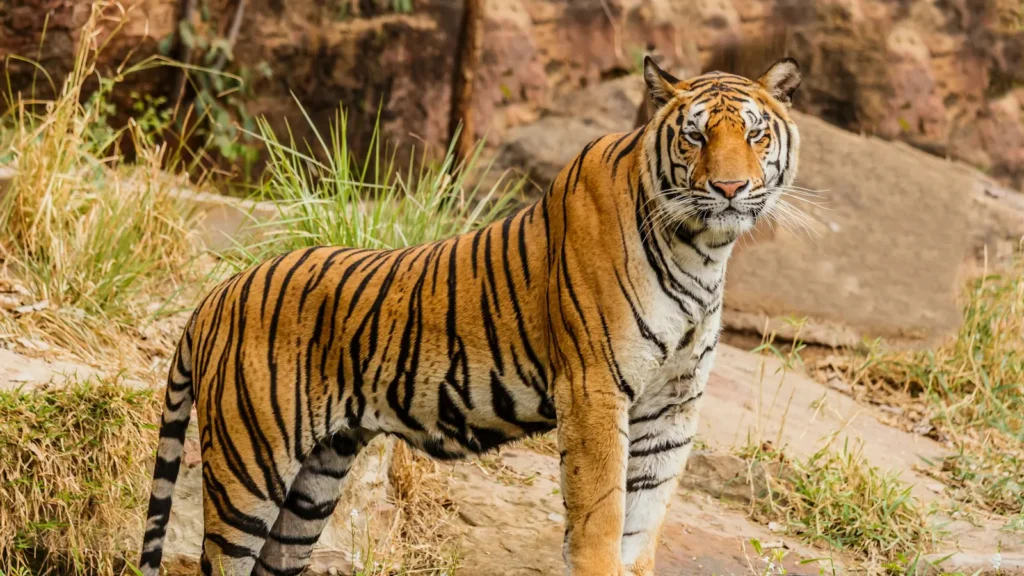
Similipal is the one place with a known population of melanistic tigers — dark-coated animals found essentially nowhere else. Sightings are rare and never guaranteed, but the possibility adds something to every drive through the forest.
When to go
Similipal’s short open season is the single most important thing to plan around, because the core is closed for much of the year.
November to February (the best window): cool, dry and comfortable, with good forest access, active wildlife and the falls still flowing after the monsoon. This is the time to come, and the time booking is tightest.
March to mid-June (hot but open): the reserve typically stays open into mid-June, and the drying forest can concentrate animals around water — good for wildlife, hard on comfort as the heat builds.
Mid-June to October (closed): Similipal shuts for the monsoon, roughly from mid-June, and does not reopen until around the start of November. Do not plan a visit in these months — always confirm the current opening dates before you travel.
Things to do in Similipal
Similipal is explored by vehicle on forest tracks, with the waterfalls and viewpoints as the fixed goals and the wildlife as the bonus.
Barehipani Falls
A tiered waterfall dropping around 217 metres into a forested gorge on the Budhabalanga river — one of the highest in India and the reserve’s signature view, reached by forest road with a viewpoint over the gorge.
Joranda Falls
A single, roughly 181-metre plume dropping through the forest, quieter than Barehipani and often paired with it on the same long forest drive. Best after the monsoon when the flow is strong.
A forest safari
Drives on the reserve’s tracks are the core experience — sal forest, grassland clearings, streams and the chance of elephant, gaur, deer, and, rarely, a tiger or leopard. Early morning is best; sightings are never guaranteed.
A forest nature camp
Spending a night at one of the eco/nature camps inside or on the edge of the reserve — Chahala, Barehipani, Gurguria and others — puts you in the forest for dawn and is the most immersive way to experience Similipal. Book well ahead.
Ramatirtha & the crocodile centre
Near Jashipur, the Ramatirtha crocodile sanctuary and interpretation centre on the Khairi river makes an easy add on the way in or out, with mugger crocodiles and background on the reserve’s conservation work.
Mayurbhanj & Chhau
The surrounding Mayurbhanj district is the home of the vigorous Mayurbhanj Chhau martial dance and a landscape of tribal villages. If your timing lands on a performance or festival, it’s a memorable counterpoint to the forest.
What to eat
Food inside and around the reserve is simple. Camps provide meals; carry supplies for the day.
Nature-camp meals
The forest nature camps provide simple, hearty vegetarian and local meals as part of the package — dal, rice, vegetables and the odd local dish. Don’t expect a menu; do expect to be fed well after a drive.
Baripada & Jashipur
The gateway towns have basic restaurants and dhabas doing thalis and snacks — the place to eat properly and stock up before heading into the forest.
Mayurbhanj kitchens
The district’s food leans on rice, forest greens, bamboo shoot and simple preparations. Ask locally for a home-style thali if you want a taste of it.
Water & snacks
Forest drives are long and there is nothing to buy inside. Carry plenty of water, snacks and anything you need for the day before you enter the reserve.
Where to stay
The choice is between immersive forest camps inside the reserve and simpler hotels in the gateway towns. Both need booking ahead in season.
Forest nature camps
Chahala, Barehipani, Gurguria, Jamuani and other eco/nature camps put you in the forest for dawn. Basic but atmospheric, booked through the reserve’s official system well in advance.
Baripada / Jashipur
Simple hotels and a few resorts in the gateway towns offer more comfort and flexibility, with day drives into the reserve. The easier option if the camps are full.
Getting there and around
Gateways: the reserve is entered via Pithabata near Baripada (the eastern gate) and Kaliani near Jashipur (the western gate). Baripada is the main town; Jashipur suits the northern zones and Ramatirtha.
Getting there: Baripada is roughly 250 km from Bhubaneswar and well connected to Balasore on the East Coast line and to Kolkata. Similipal is closer to Kolkata and Jamshedpur than to the Odisha coast, which is why it works best as its own trip.
Inside the reserve: you travel by permitted vehicle with a guide on forest tracks; the daily vehicle quota and permits are managed by the reserve and must be arranged in advance. Distances inside are long and the roads rough — budget time, not just kilometres.
Similipal is closer to Kolkata and Jharkhand than to Puri, and it opens only in the drier months. Plan it as a dedicated two- or three-day trip, ideally combined with the northern coast or a Kolkata leg, rather than as a coastal add-on.
A simple 2-day plan
Two days lets you reach the falls and get proper forest time; three is better still.
Into the forest and the falls
Enter via Pithabata or Jashipur with your permit and guide, and drive in through the sal forest toward Barehipani and Joranda falls, watching for elephant and deer along the way. Overnight at a nature camp inside the reserve for dawn.
A dawn drive and out
An early morning drive for the best wildlife chances and the cool forest light, then work back toward the gate — stopping at Ramatirtha near Jashipur if you’re leaving that way — and on to your next base.
Practical tips that actually help
Check the open dates first
Similipal is open only from roughly November to mid-June and closed for the monsoon. Confirm the current dates before you book anything else.
Book permits and camps well ahead
The reserve caps daily vehicle entries and the forest camps are limited. In the November–February peak they fill early — arrange permits and stays in advance.
Drive at dawn
The best wildlife chances and the coolest, clearest forest are in the first hours after the gate opens. Plan your day around an early start.
Expect long, rough drives
Distances inside the reserve are long and the tracks are rough. Treat the forest and the journey as the experience, not just the falls at the end of it.
Manage tiger expectations
Sightings of the famous black tigers are very rare. Come for the forest, the falls and the wildlife you do see, and a big cat becomes a bonus rather than the point.
Pack for the forest
Carry water, snacks, layers for cool mornings, insect repellent and cash. There is little to buy inside the reserve once you’re through the gate.
Mistakes first-time visitors make
- Planning a visit in the monsoon. Similipal closes from around mid-June to the start of November. Turning up then means a locked gate.
- Treating it as a coastal add-on. It’s a long way from Puri and needs its own days. Plan Similipal as a dedicated trip, not a side trip from the beach.
- Not booking permits ahead. The daily vehicle quota and limited camps sell out in season. Arrive without a booking and you may not get in.
- Expecting guaranteed tiger sightings. This is a large wild forest, not a game park. Come for the wilderness and the falls; treat wildlife as a bonus.
Planning a Similipal trip?
Similipal takes more planning than the coast — open dates, permits and a long drive all have to line up. Tell me your dates and I’ll tell you whether they work and what to pair it with.
Similipal FAQs
What is Similipal famous for?
Similipal is a large biosphere and tiger reserve in northern Odisha, famous for its sal forests, the high Barehipani (about 217 m) and Joranda (about 181 m) waterfalls, its elephants, and a rare population of melanistic (black) tigers found almost nowhere else in the world.
When is Similipal National Park open?
Similipal is generally open from around 1 November to 15 June and closed for the monsoon from about mid-June until the start of November. It also runs a daily cap on vehicle entries, so confirm current dates and book a permit in advance.
How do you reach Similipal?
The reserve is entered via Pithabata near Baripada (the main town) and Kaliani near Jashipur. Baripada is roughly 250 km from Bhubaneswar and well connected to Balasore and Kolkata — Similipal is actually closer to Kolkata than to the Odisha coast.
How many days do you need in Similipal?
Two to three days. That allows time to reach the Barehipani and Joranda falls, take forest drives for wildlife, and ideally stay a night at a nature camp inside the reserve for the dawn.
Can you see tigers in Similipal?
Similipal has tigers, including its rare black tigers, but it is a large, wild forest and sightings are uncommon and never guaranteed. Most visitors come for the forest, the waterfalls and the wider wildlife, treating a big-cat sighting as a bonus.
Do you need a permit for Similipal?
Yes. Entry requires a permit and is subject to a daily vehicle quota, and the forest nature camps are limited and booked in advance through the reserve’s official system, especially in the November–February peak.
Related guides
Keep planning your Odisha trip with these:
Odisha Travel Guide
The temple triangle, the lagoon, the crafts and the wild forests — how to put an Odisha trip together.
Bhitarkanika
India’s densest saltwater-crocodile population in a maze of mangrove creeks — the coastal counterpart to Similipal’s forest.

Written by Ashvinee Nagle
I travel India slowly and write it down honestly - practical guides and real itineraries from someone who lives here.
About Ashvinee →Plan your India trip with us
Get one short, honest India travel guide a week — plus a free 7-day Rajasthan itinerary to start.
Free. Unsubscribe any time.