
Chhattisgarh — Waterfalls, cave country, and India’s least-visited heartland
India’s widest waterfall, limestone caves you walk into by lamplight, weekly tribal markets that have run for centuries, and brick temples older than most of Europe’s cathedrals. Almost nobody comes here. Here is how to plan it properly.
Chhattisgarh, at a glance
Chhattisgarh is the least-visited state in central India, and it stays that way for reasons worth understanding before you book. The distances are long, the roads are slow, and outside Raipur the tourism infrastructure is thin. What you get in return is a part of India that has not been smoothed over for visitors: Chitrakote, the widest waterfall in the country; the limestone cave systems of the Kanger Valley; and the Bastar region, where weekly village markets and a seventy-five-day Dussehra remain living practice rather than performance.
This is not a first India trip. It is a very good third or fourth one — and it rewards anyone willing to hire a car and a driver who knows the Bastar roads.
Six places that make a Chhattisgarh trip
Most of what you have come for sits in the south, around Jagdalpur. The north and the centre add temples and highland air if you have the days.
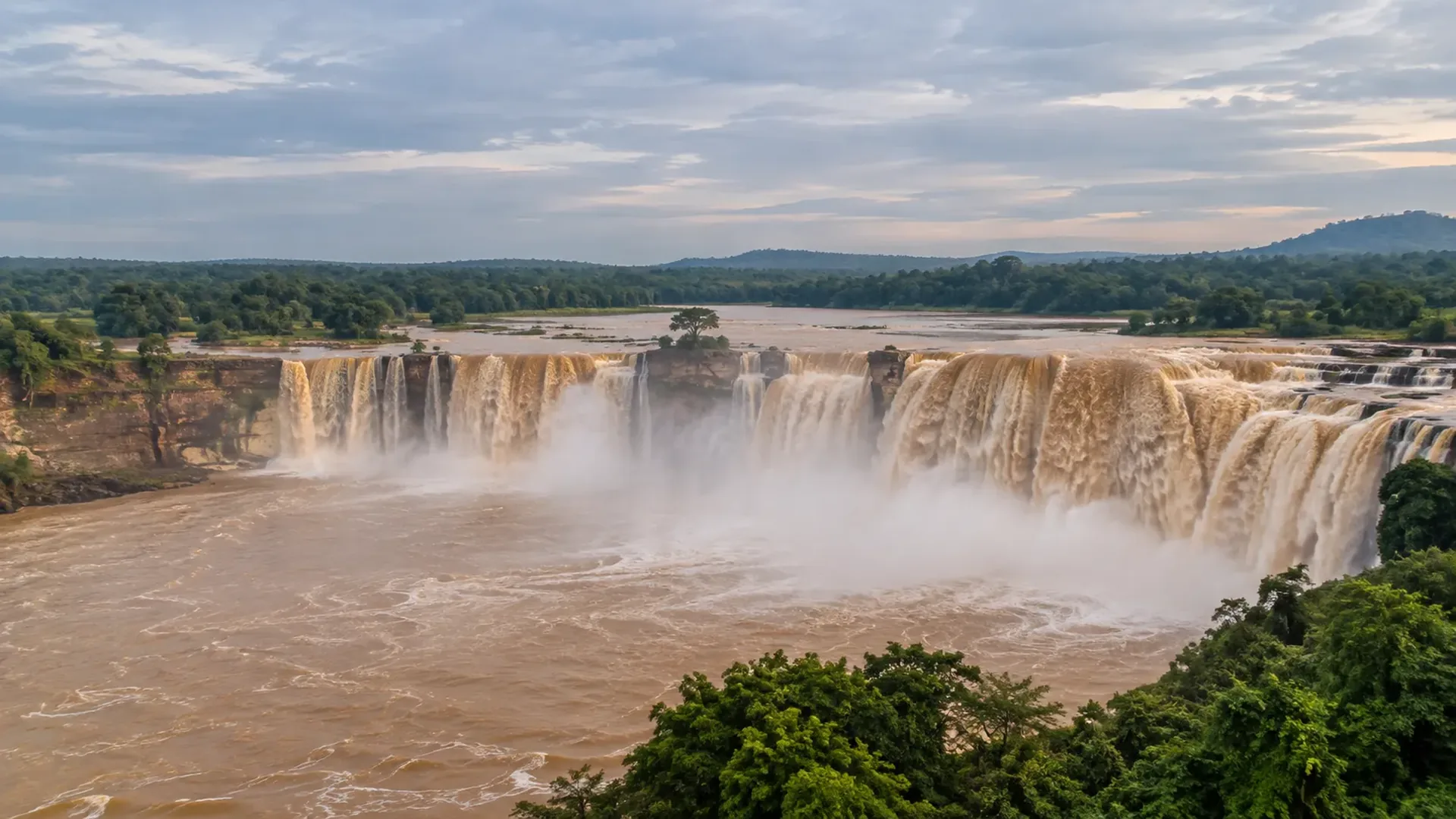
Chitrakote Falls — The Widest in India
A near-horseshoe of falling water on the Indravati river, roughly 38 km west of Jagdalpur. It is often called the Niagara of India, and in the weeks after the monsoon the comparison stops sounding like marketing. In the dry months it narrows into several separate channels — quieter, still worth the drive.
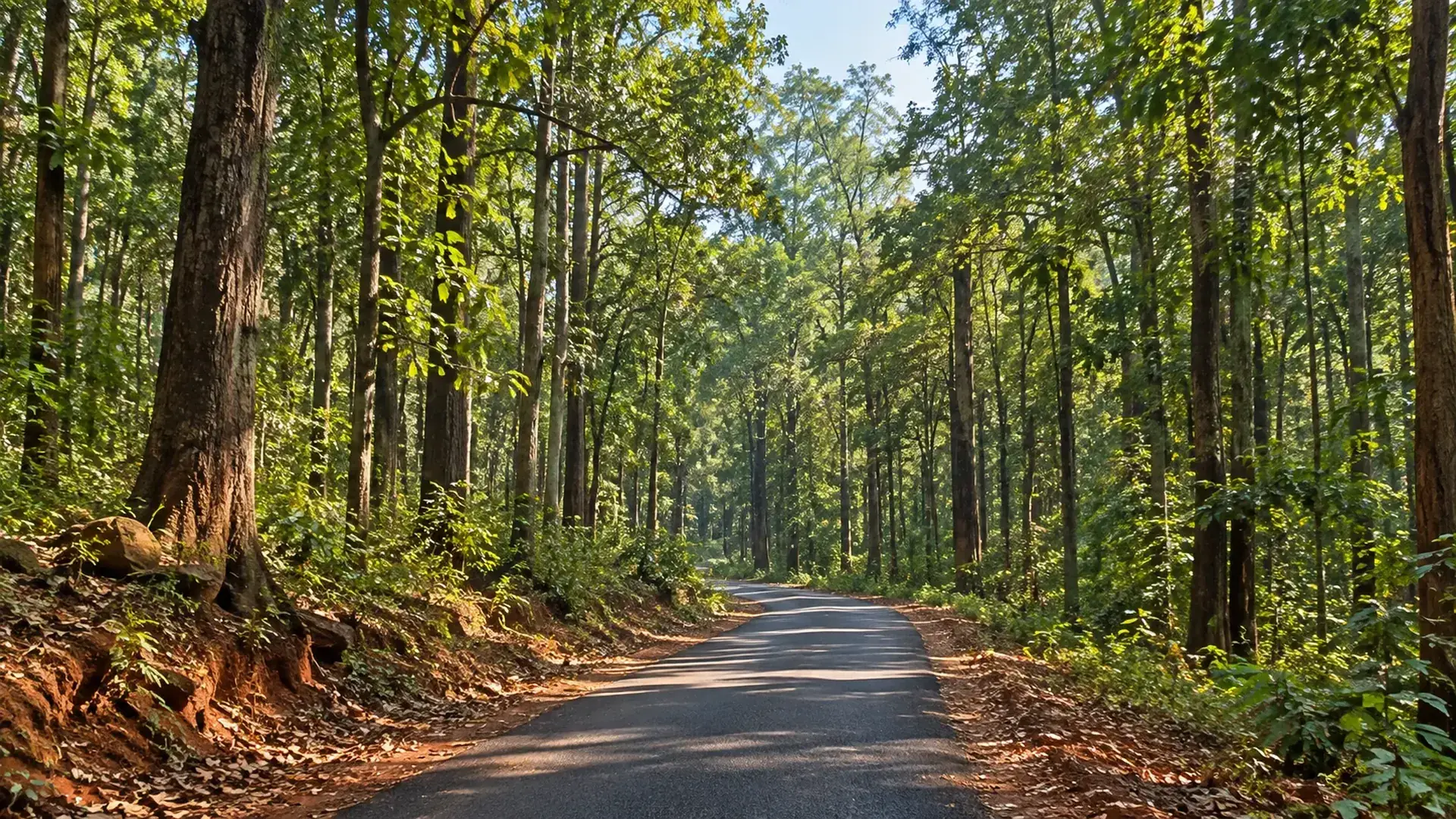
Kanger Valley National Park — Caves and Cascades
A biosphere reserve south of Jagdalpur holding Tirathgarh Falls and three limestone cave systems — Kutumsar, Kailash and Dandak — with stalactite chambers you enter on foot. The park is also the last stronghold of the Bastar hill myna, the state bird. Caves usually close during the monsoon.
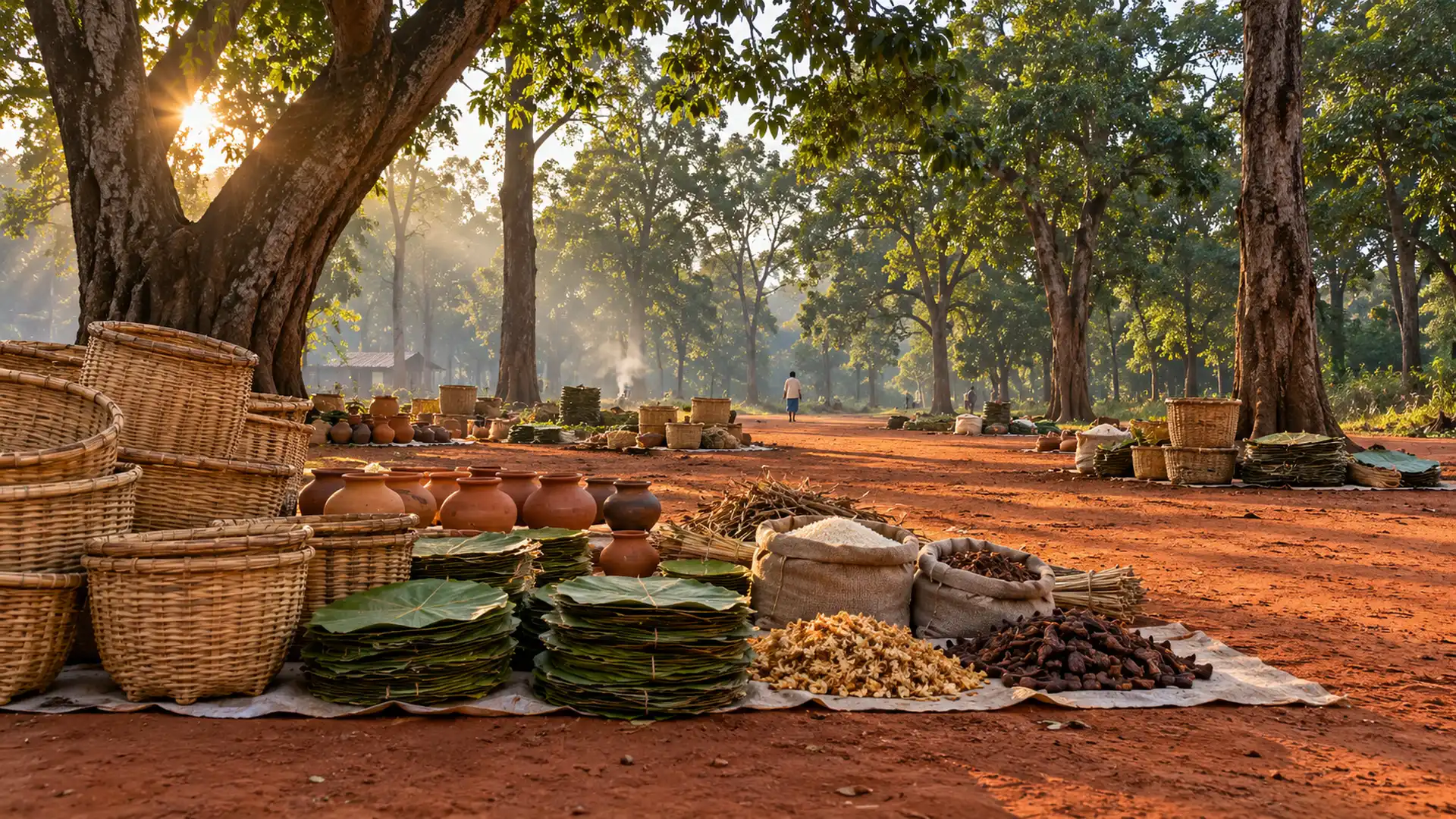
Jagdalpur and the Bastar Haats — The Living Heart
Jagdalpur is the base for everything in the south, but the reason to stay is the surrounding weekly markets. Each village holds its haat on a fixed day — produce, tools, bell metal, wrought iron, salfi — and they are working markets, not craft fairs. Ask your driver which haat falls on which day and plan around it.
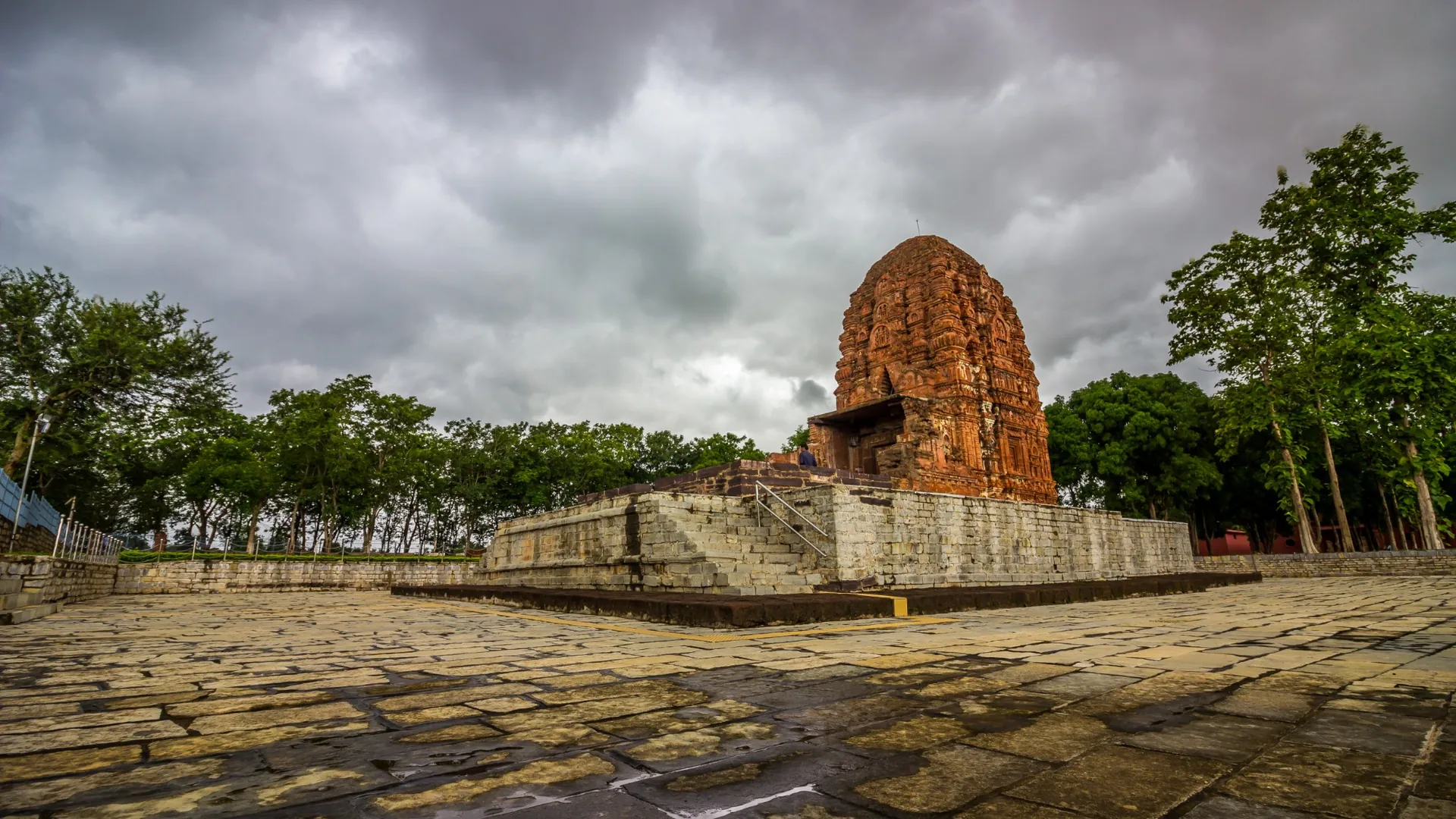
Sirpur — The Brick Temple on the Mahanadi
An archaeological site about 80 km east of Raipur, where a seventh-century brick temple to Lakshmana survives in remarkable condition alongside excavated Buddhist monasteries. It reads as a quiet field of ruins rather than a monument complex, which is most of its appeal.
Bhoramdeo — The Other Khajuraho
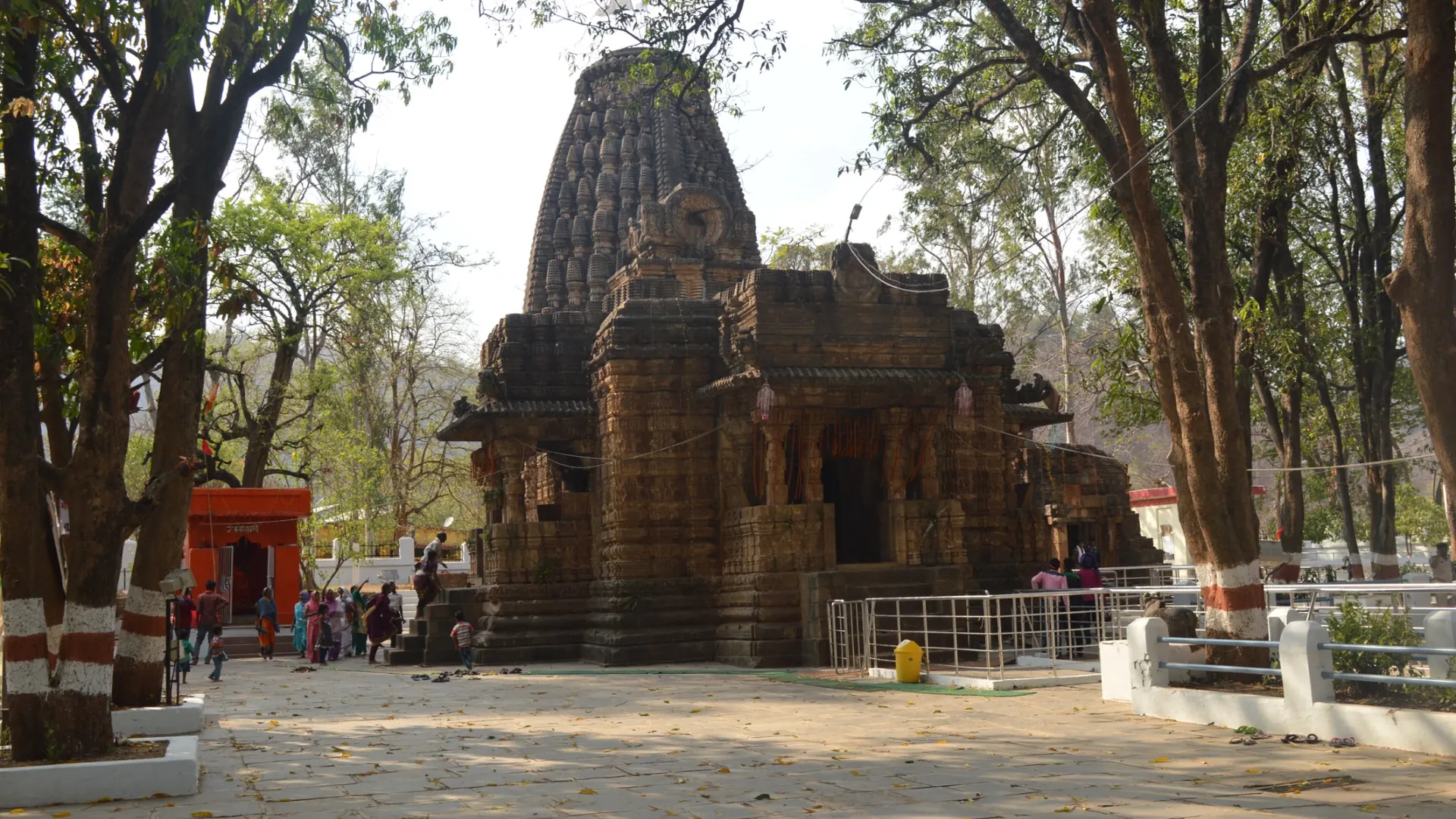
An eleventh-century stone temple near Kawardha, carved with figures that earn it the nickname Khajuraho of Chhattisgarh. It sits below the Maikal hills with almost no crowd and pairs naturally with a night in Kawardha on the way north.
Mainpat — The Highland Detour
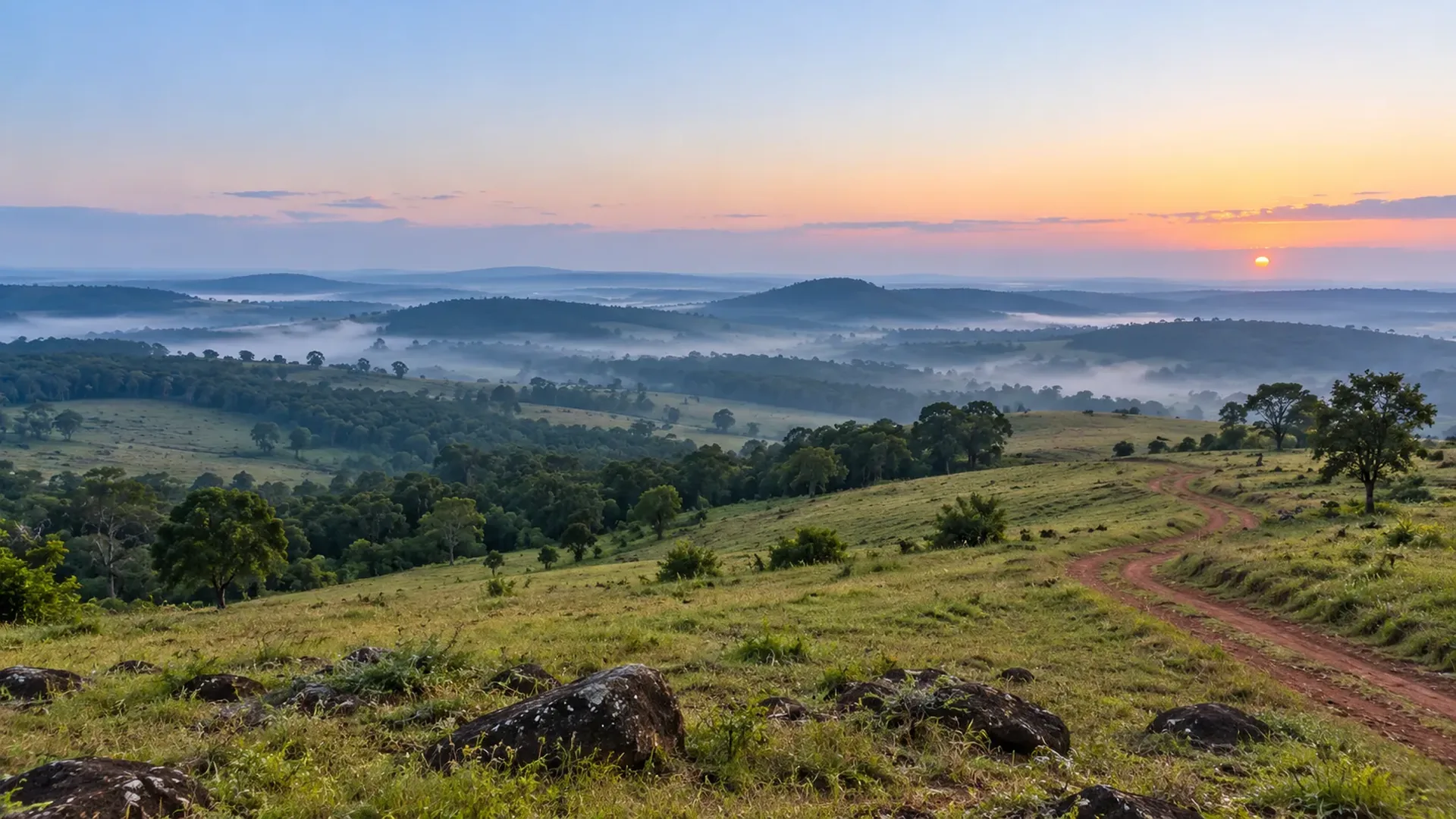
A plateau in the northern Surguja district, cooler than the plains and home to a long-established Tibetan settlement — which is why it gets called the Shimla of Chhattisgarh and, less helpfully, Mini Tibet. Add it only if you have the days; it is a long way from Bastar.
Also worth the detour if you have time: Barnawapara and Achanakmar wildlife sanctuaries, the temple town of Rajim where three rivers meet, and Ratanpur’s old fort and tanks north of Bilaspur.
Pick the route that fits your dates
Everything starts and ends at Raipur. The drive south to Jagdalpur is roughly 300 km and takes most of a day, so build the trip around staying put once you get there.
The Raipur circle
Raipur · Sirpur · Bhoramdeo. Brick temples, a river archaeological site and hill-country carving, all within a few hours of the capital. The trip to take if you cannot spare a week.
Bastar proper
Raipur · Jagdalpur · Chitrakote · Kanger Valley. Three nights around Jagdalpur, timed so one of them lands on a haat day. This is the trip most people should take.
South and north
Raipur · Jagdalpur · Chitrakote · Kanger Valley · Sirpur · Mainpat. Adds the plateau and a wildlife sanctuary. Long road days — worth it only if you like driving.
Six things worth building the trip around
- Stand at Chitrakote in October, when the monsoon has filled the Indravati but the roads have dried out.
- Walk into Kutumsar cave by lamp — a kilometre of limestone chambers well below ground.
- Spend a morning at whichever Bastar village haat falls on your day there.
- Catch part of Bastar Dussehra, a seventy-five-day festival that has almost nothing to do with the Ramayana.
- See the seventh-century brick temple at Sirpur before the site gets properly signposted.
- Take the forest road through Kanger Valley slowly, with the windows down.
Where to stay
Raipur has the only genuinely wide hotel choice in the state, including business-grade options near the airport. Jagdalpur has comfortable mid-range hotels and is the right base for the south. At Chitrakote there is state tourism accommodation with a view of the falls, which books out around weekends and the post-monsoon peak. Kawardha has a heritage palace hotel near Bhoramdeo. Elsewhere, expect simple guesthouses and book ahead rather than arriving hopeful.
How to get around
Fly into Raipur — Swami Vivekananda airport is the state’s only well-connected one, with Jagdalpur served by a limited regional service. Trains reach Raipur, Durg and Bilaspur from Nagpur, Kolkata and Mumbai. Beyond that, this is a car-and-driver state: public transport between the sights is slow and sparse, distances are longer than the map suggests, and a driver who knows the Bastar roads is worth paying for.
What to eat
Chhattisgarhi cooking is rice-led, mildly sour, and almost entirely absent from restaurant menus elsewhere in India. Worth seeking out:
- Chila — rice-flour pancake
- Faraa — steamed rice dumplings
- Muthia
- Bafauri — steamed lentil cakes
- Aamat — a tart mixed-vegetable curry
- Bore basi — fermented rice, eaten cold
- Dehrori
- Thethari and khurmi
Small things that make a big difference
Do this
- Hire a car and driver for the whole trip — this is not a state to improvise transport in.
- Time Bastar around a haat day; ask locally which village markets fall when.
- Come in October if you want the waterfalls at volume and the roads dry.
- Carry cash. ATMs thin out quickly once you leave Raipur and Jagdalpur.
- Ask before photographing people at the markets, and accept no for an answer.
Avoid this
- Don’t treat this as a first India trip — go to Rajasthan or Kerala first.
- Don’t plan tight connections; a 300 km drive here can take seven hours.
- Don’t expect the caves to be open in the monsoon — they usually are not.
- Don’t travel deep into rural Bastar without a local operator, and check current government travel advice before you fix the route.
- Don’t arrive in April or May unless heat above 40°C is genuinely fine with you.
Common Chhattisgarh questions
What is the best time to visit Chhattisgarh?
October to February. October and early November are the sweet spot — the monsoon has filled the waterfalls but the roads have dried out. April to June is very hot, and the July to September monsoon makes rural driving hard and usually closes the caves.
How many days do you need in Chhattisgarh?
Seven days is the realistic minimum for Bastar, including the long drive from Raipur. Four days covers Sirpur and Bhoramdeo near the capital. Ten days lets you add the northern plateau at Mainpat, but the road time is significant.
Is Chhattisgarh safe for tourists?
Raipur, Bilaspur, Sirpur, Bhoramdeo and the main Bastar route to Jagdalpur, Chitrakote and Kanger Valley are visited normally. Parts of rural Bastar have a longer history of insurgency, so travel with a local operator, stick to established routes, and check your government’s current travel advice before fixing an itinerary.
Is Chitrakote Falls worth the trip?
In and just after the monsoon, yes — it is the widest waterfall in India and the volume is genuinely startling. In the dry season it splits into narrower channels and is pleasant rather than spectacular, so time the visit if the falls are your main reason for coming.
How do I reach Chhattisgarh?
Fly to Raipur, which has the state’s main airport, or take a train to Raipur, Durg or Bilaspur. Jagdalpur has a limited regional air service. From Raipur, plan on a full day’s drive south to Jagdalpur — around 300 km on roads that are slower than the distance suggests.
Plan your Chhattisgarh trip with Travel India
Chhattisgarh takes more planning than most states — haat days, waterfall season, and a long drive south all have to line up. Tell me your dates and I will tell you whether they work, and what to do instead if they do not.
Image credits
Laxman Temple, Sirpur — photo by Satyajeet Sahu, CC BY-SA 4.0, via Wikimedia Commons. Cropped to 16:9 and converted to WebP; this cropped version is also CC BY-SA 4.0.
Bhoramdeo temple, Kawardha — photo by Guptaumesh100, CC BY-SA 4.0, via Wikimedia Commons. Cropped to 16:9 and converted to WebP; this cropped version is also CC BY-SA 4.0.
Written by Ashvinee Nagle
I travel India slowly and write it down honestly - practical guides and real itineraries from someone who lives here.
About Ashvinee →