
Odisha — Temples, a Sun chariot in stone, and India’s largest lagoon
Thirteenth-century temples, a UNESCO Sun Temple built as a chariot, a lagoon full of dolphins and winter birds, mangrove crocodile creeks, and a coastline most travellers skip. Here’s everything you need to plan it well.
Odisha, at a glance
Odisha — the old Kalinga of Ashoka’s war, on India’s east coast — is one of the country’s great temple regions and one of its least-crowded. For seven centuries builders here perfected the Kalinga style, from the carved shrines of Bhubaneswar to the sun-chariot at Konark, and most of it still stands within an hour of the capital. Beyond the temples lie the vast Chilika lagoon, the mangroves of Bhitarkanika and the tiger forests of Similipal. Distances are short, the roads are flat, the trains are frequent, and the crowds are thin — you can see the heart of the state in five unhurried days. For a detailed coastal itinerary, see our slow five days in Odisha.
Eight places that make a classic Odisha trip
You don’t need to cover the whole state in one trip. Start with the temple triangle and Chilika, then add crafts, wildlife or a quiet beach if you have the days.
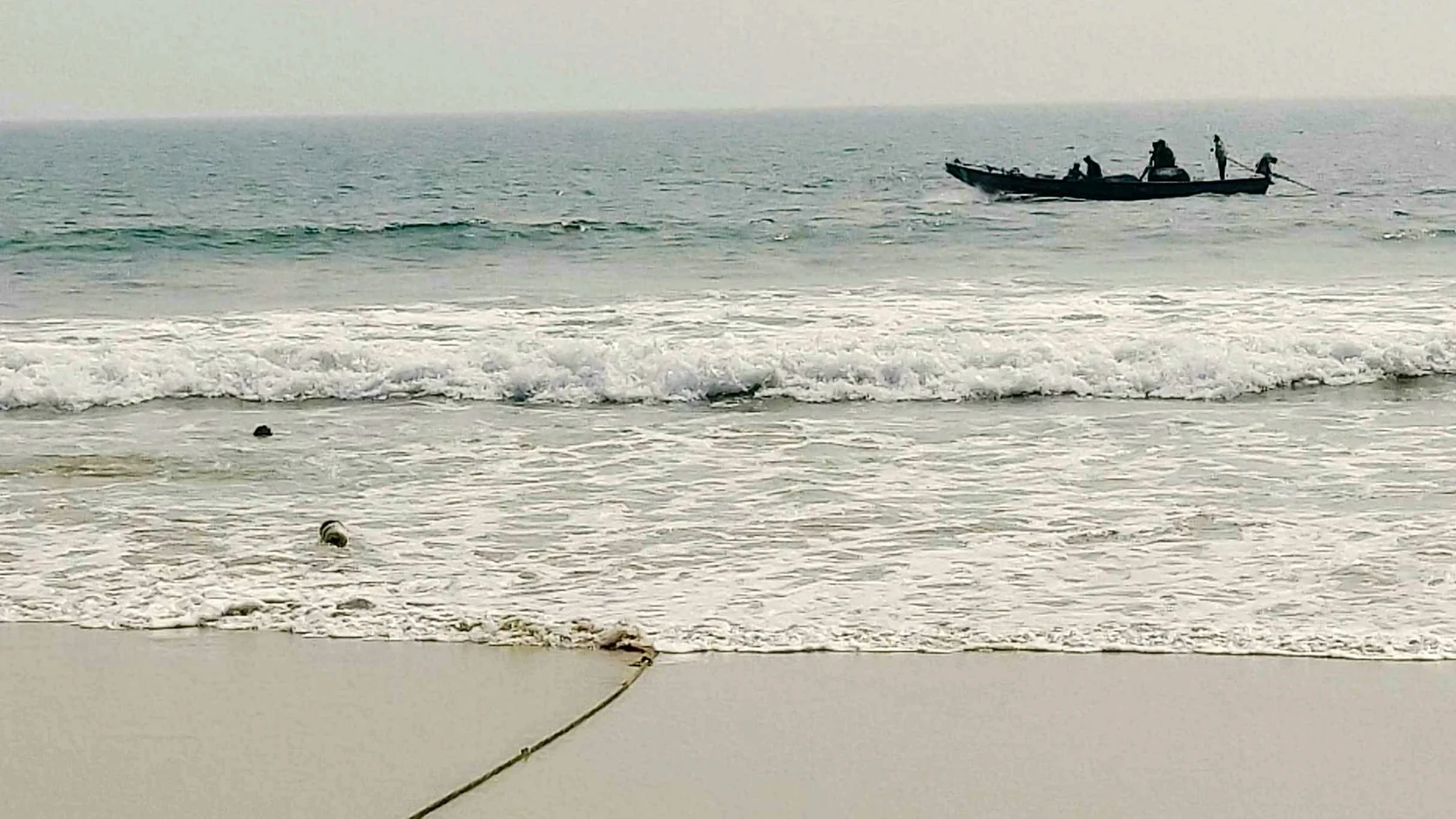
Puri — The Temple Town and Beach
One of Hinduism’s four holy dhams and home of the 12th-century Jagannath Temple — open to Hindus only, though its great tower is easily seen from the Raghunandan Library rooftop. A wide fishing beach and the natural base for the whole coast.
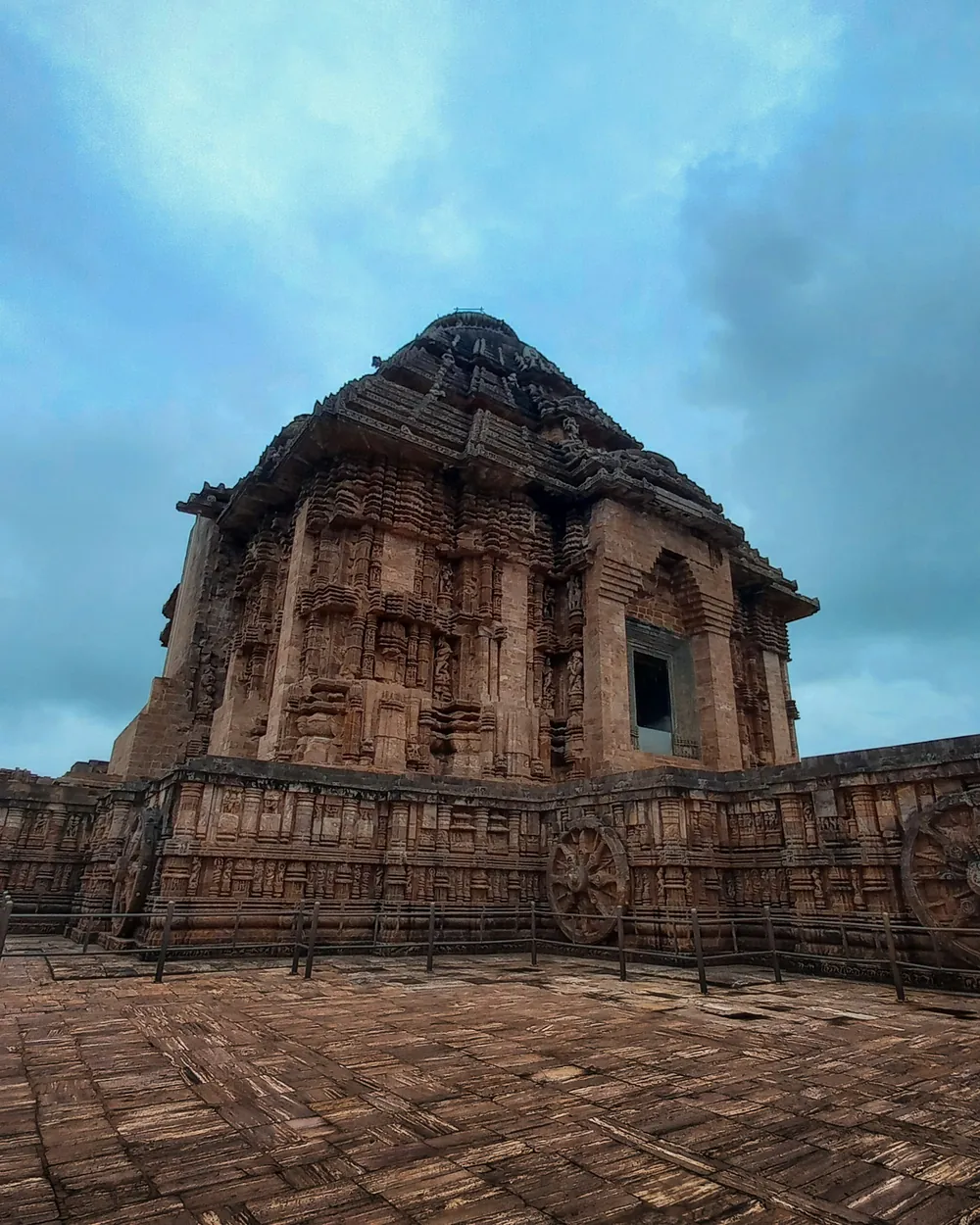
Konark — The Sun Temple
A UNESCO World Heritage Site built in the 13th century as the sun god’s chariot — twenty-four carved wheels, seven horses and some of India’s finest temple sculpture. About 35 km from Puri along the coastal Marine Drive.
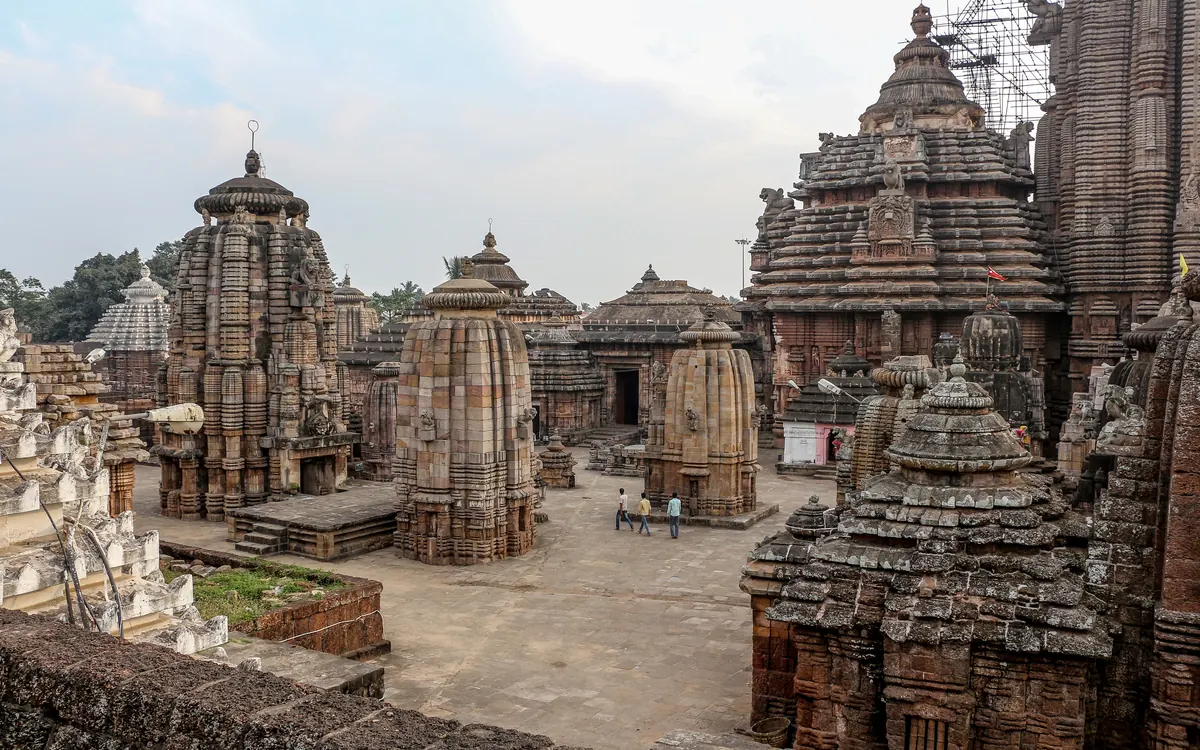
Bhubaneswar — The Temple City
The capital, where the Kalinga style grew up: the towering 11th-century Lingaraj, the jewel-like Mukteshwara and Rajarani, plus the rock-cut Udayagiri and Khandagiri Jain caves and Ashoka’s edicts at Dhauli.
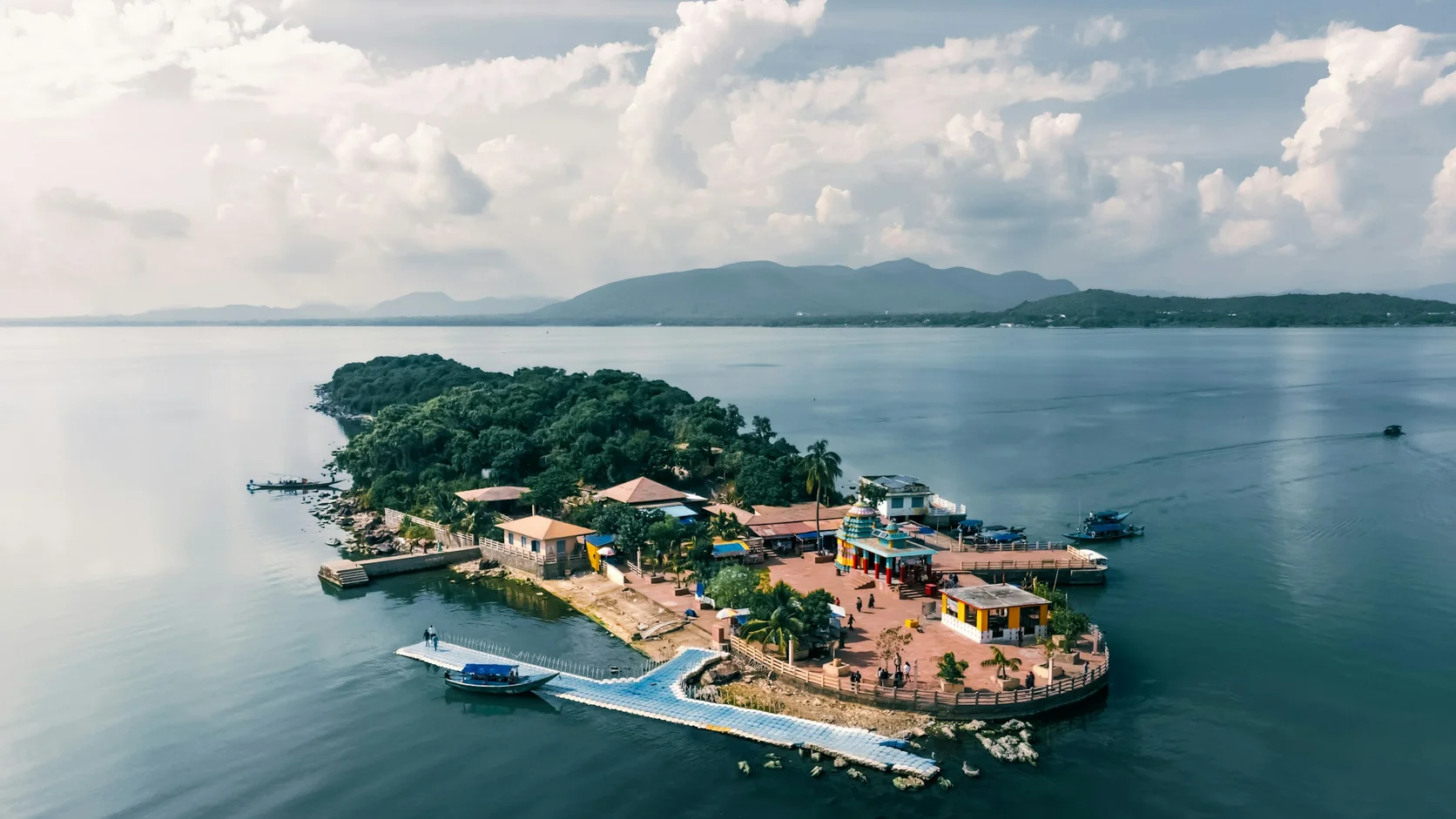
Chilika Lake — The Great Lagoon
Asia’s largest brackish lagoon, famous for the resident Irrawaddy dolphins seen on boats from Satapada and, from November, vast flocks of migratory birds at Nalabana and nearby Mangalajodi.
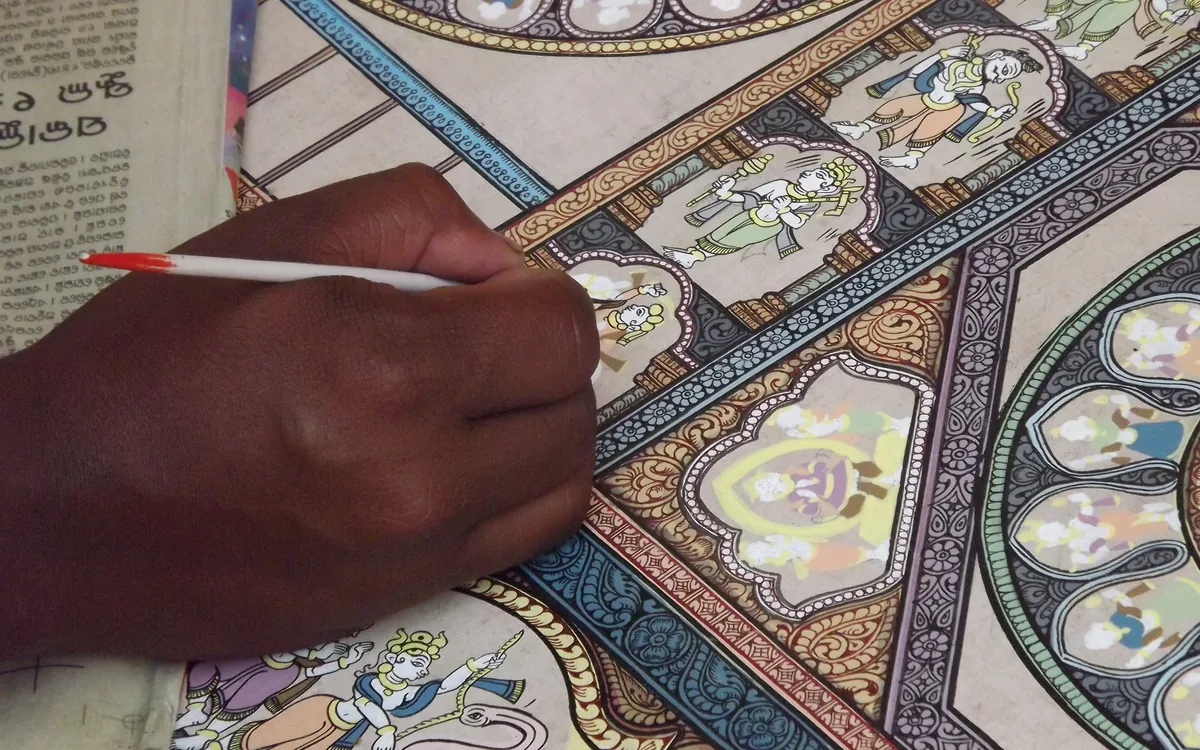
Raghurajpur & Pipili — The Craft Villages
Raghurajpur, near Puri, is a heritage village where nearly every home paints pattachitra scrolls and engraves palm leaf. On the Bhubaneswar road, Pipili is the colourful home of Odisha’s appliqué work.
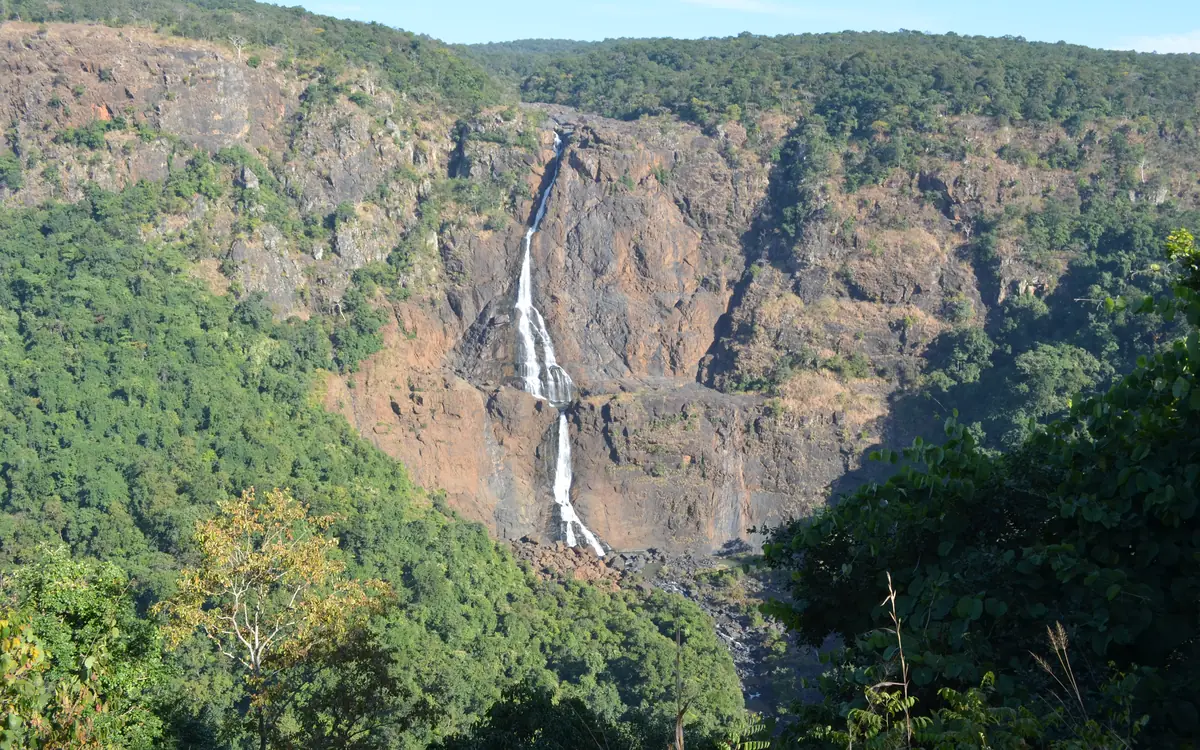
Similipal — The Tiger Reserve
Odisha’s great wilderness in the northern hills: a 2,750 sq km biosphere and tiger reserve of sal forest, elephants and the plunging Barehipani and Joranda waterfalls. Open November to mid-June, with a daily vehicle quota.
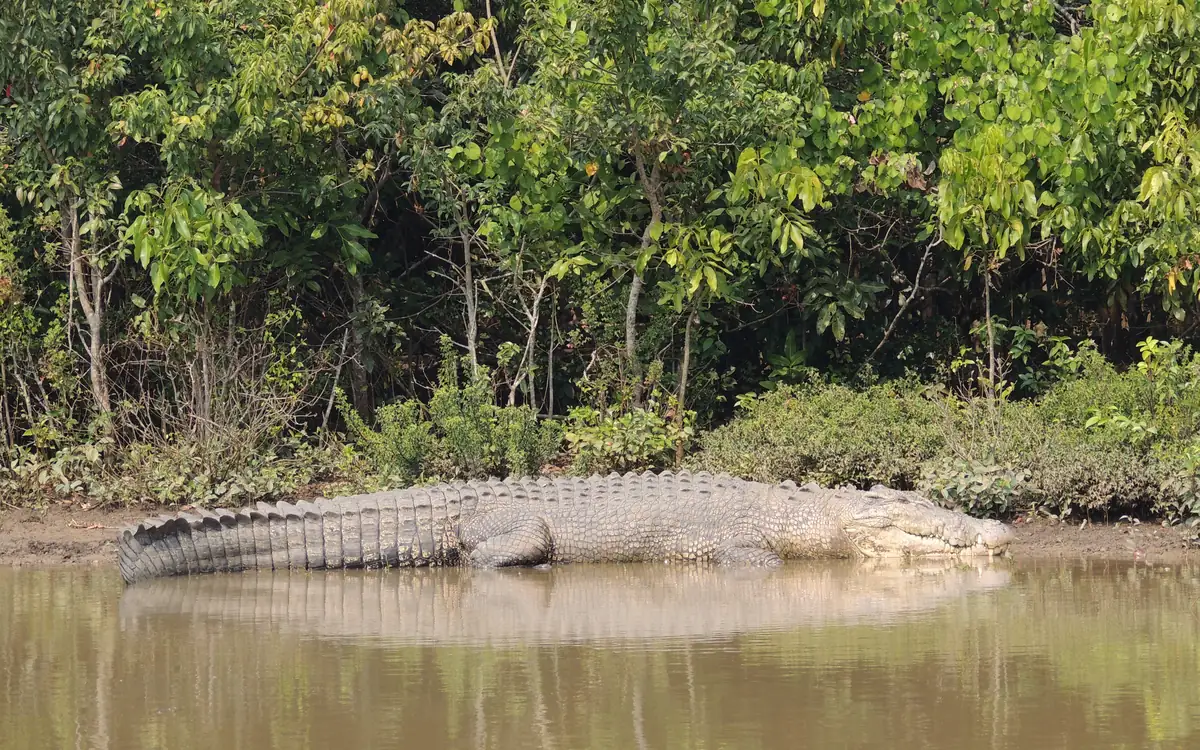
Bhitarkanika — The Mangrove Creeks
India’s second-largest mangrove forest and home to the country’s densest population of saltwater crocodiles, explored by boat from Khola or Gupti. Nearby Gahirmatha is a mass-nesting beach for Olive Ridley turtles.
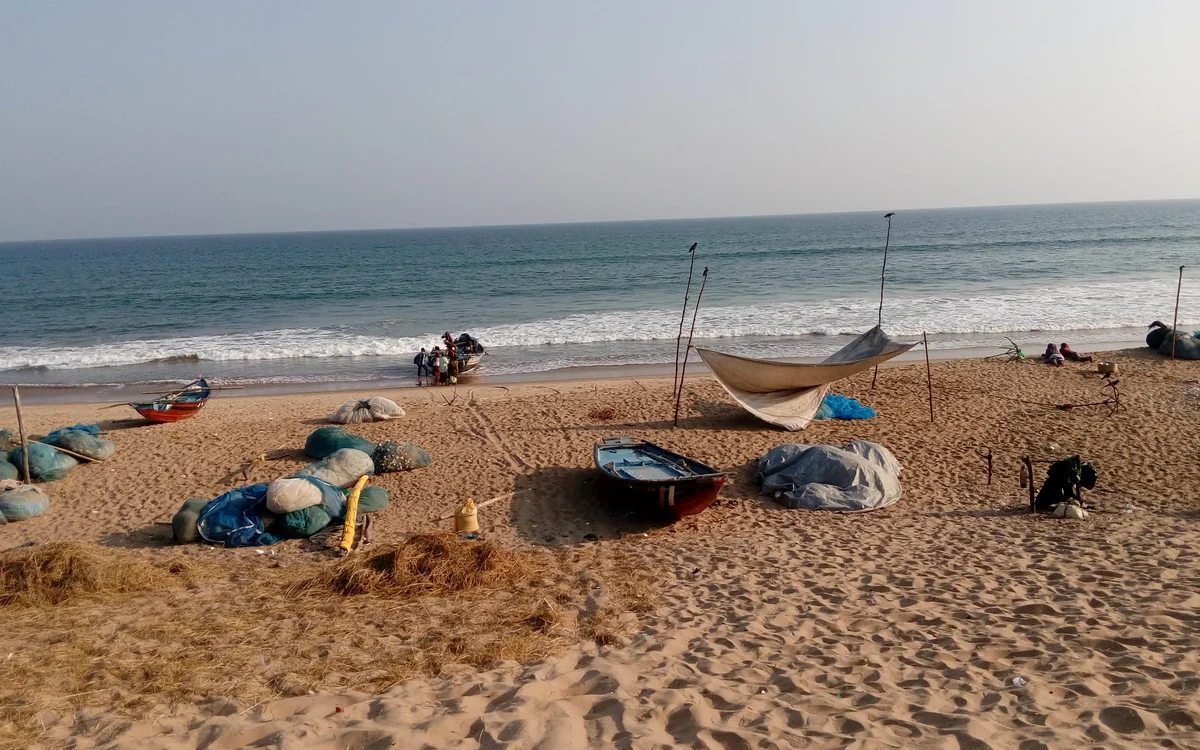
Gopalpur-on-Sea — The Quiet Beach
A faded former colonial port on the southern coast, with a lighthouse and a long, calm strand. The antidote to Puri’s bustle and an easy pairing with the southern end of Chilika at Rambha.
Pick the route that fits your dates
Odisha works at three lengths. The golden triangle sits close together and is easy to organise; wildlife and the southern coast reward a slower pace.
The golden triangle
Bhubaneswar · Puri · Konark, plus a day on Chilika lagoon. Temple city, pilgrimage town, Sun Temple and dolphins — the essential Odisha week.
Temples and wildlife
Adds a leg at Bhitarkanika’s mangrove creeks or Similipal’s tiger forest, with the craft villages of Raghurajpur and Pipili on the way.
The full coast
Follows the shore south from the temple towns to the calm beaches of Gopalpur-on-Sea and the southern edge of Chilika at Rambha, with slow afternoons built in.
Six things worth building the trip around
- Count the twenty-four chariot wheels at the Konark Sun Temple in the early-morning light.
- Take a dawn boat from Satapada to look for Chilika’s resident Irrawaddy dolphins.
- See the Jagannath temple tower from the Raghunandan Library rooftop at Puri.
- Walk the 2nd-century-BCE Udayagiri and Khandagiri Jain caves and Ashoka’s edicts at Dhauli.
- Buy a pattachitra painting from the artist who made it in Raghurajpur.
- Glide the mangrove creeks of Bhitarkanika past basking saltwater crocodiles.
Where to stay
Puri has the widest choice by far — pilgrim lodges, beachfront and heritage hotels — and makes the best base for Konark, the crafts villages and Chilika. Bhubaneswar has business-grade hotels near the temples and airport, Gopalpur has a cluster of beach hotels, and the lagoon and wildlife areas have lodges and government Panthanivas properties, several booked through the forest department.
How to get around
This is one of India’s easier states to travel. Most visitors hire a car and driver for the flat, close-set temple triangle and the run to Chilika, and use fast trains between the main hubs (Bhubaneswar to Puri takes under two hours). Chilika and Bhitarkanika are explored by boat, hired at the jetties — agree the route and price first.
What to eat
Odia food is subtle, rice-led and lightly spiced — and badly underrated. Try these at least once:
- Dalma
- Pakhala
- Machha besara
- Santula
- Dahibara-aludum
- Chhena poda
- Rasagola (Pahala)
- Khaja & Mahaprasad at Puri
Small things that make a big difference
Do this
- See Jagannath and Lingaraj from the Raghunandan Library rooftop and the Lingaraj viewing platform — both temples admit Hindus only.
- Come October to February; start temple sightseeing early to beat the heat and the crowds.
- Book Similipal and coastal hotels ahead in December–January and around Rath Yatra.
- Carry cash for the wildlife areas and smaller towns, and agree boat fares before you set off.
Avoid this
- Don’t assume you can enter the Jagannath or Lingaraj temples if you are not Hindu — use the viewpoints instead.
- Don’t take phones or cameras into the Jagannath complex; they are not allowed inside.
- Don’t plan Similipal between mid-June and October — the park closes for the monsoon.
- Don’t come in May–June expecting comfort; the coast is hot, humid and, at Puri, packed for Rath Yatra.
Common Odisha questions
What is the best time to visit Odisha?
October to February, and December to February in particular — cool, dry weather that suits the temple towns, beaches and the wildlife at Chilika and Bhitarkanika. March onwards gets hot, May–June is fierce coastal heat, and July–September is the monsoon, when Similipal closes.
How many days do you need in Odisha?
Five days cover the “golden triangle” of Bhubaneswar, Puri and Konark with a day on Chilika. Seven days let you add a wildlife leg at Bhitarkanika or Similipal, and nine fit a quiet beach at Gopalpur too. The core sights sit close together, so a short trip goes a long way.
Can non-Hindus enter the Jagannath Temple in Puri?
No. The Jagannath Temple admits Hindus only, and the same rule applies at the Lingaraj Temple in Bhubaneswar. The usual workarounds are the rooftop of the Raghunandan Library opposite Puri’s Lion Gate and the viewing platform outside Lingaraj, both giving clear views of the towers.
Do you need a permit to visit Odisha?
No. Unlike the northeastern states, Odisha needs no Inner Line Permit for Indian or foreign visitors. The only restrictions are entry to the two living temples (Hindus only) and ordinary tickets and timings for wildlife parks such as Similipal and Bhitarkanika.
Is the Konark Sun Temple open inside?
Largely no. The main tower collapsed centuries ago and the surviving hall was filled with sand in 1903–04 to keep it standing, so it is sealed — restoration has been undertaken in phases, so check locally. Either way, the glory of Konark is its exterior sculpture and chariot wheels.
How do I reach Odisha?
Fly into Biju Patnaik International Airport at Bhubaneswar, which has direct flights from Delhi, Kolkata, Mumbai, Bengaluru, Hyderabad and Chennai. Odisha is also very well connected by rail along the East Coast line, with fast trains from Kolkata (about seven hours), Visakhapatnam and Chennai, and a branch to Puri.
Plan your Odisha trip with Travel India
Whether it is the temple triangle and Konark, the dolphins and winter birds of Chilika, or the crocodile creeks of Bhitarkanika, Odisha can be planned around your dates, budget and the season.
Image credits
Konark Sun Temple (hero) — photo by Joydeep, CC BY-SA 4.0. Lingaraj Temple, Bhubaneswar — photo by Bernard Gagnon, CC BY-SA 3.0. Raghurajpur artist — photo by Sumit Surai, CC BY-SA 4.0. Barehipani Falls, Similipal — photo by Nihar.race, CC BY-SA 4.0. Saltwater crocodile, Bhitarkanika — photo by Bibhudutta1234, CC BY-SA 4.0. Gopalpur beach — photo by Buddy.forever.985, CC BY-SA 4.0. All via Wikimedia Commons, cropped and converted to WebP; the cropped versions are released under the same licence.
Written by Ashvinee Nagle
I travel India slowly and write it down honestly - practical guides and real itineraries from someone who lives here.
About Ashvinee →