
Andhra Pradesh — Sacred Hills, Long Coast, and Ancient Art
The temple at Tirumala and the beaches of Vizag, coffee-clad hills at Araku, a canyon at Gandikota, Vijayanagara art at Lepakshi, and Buddhist and Telugu heritage along the Krishna and Godavari. Here’s how to plan it.
Andhra Pradesh, at a glance
Andhra Pradesh runs along India’s southeastern coast, with one of the country’s longest shorelines on one side and the forested Eastern Ghats on the other. It’s a land of enormous temples — above all Tirumala at Tirupati, among the most visited shrines in the world — but also of beaches at Visakhapatnam, coffee hills at Araku, the canyon country of Gandikota, and ancient Buddhist and Vijayanagara heritage along the Krishna river. Add fiercely good, spice-forward Telugu food and it makes a rewarding, still-underrated trip. Distances are large, so most travellers pick a region — the coast and hills of the north, or the temples and forts of the south — rather than trying to see it all.
Eight places that make a classic Andhra trip
The state is big and spread out, so choose a few of these, give each a couple of nights, and travel at a comfortable pace.
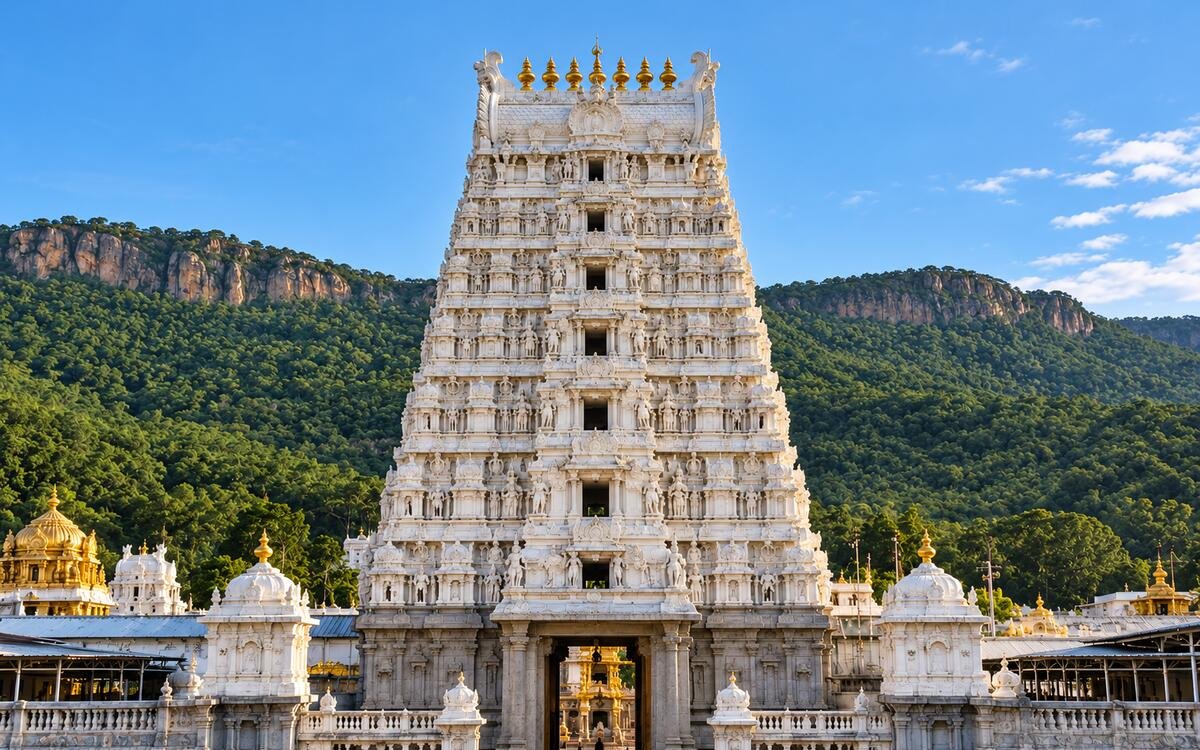
Tirupati — The Sacred Hill
One of the most visited pilgrimage sites on earth — the Sri Venkateswara Temple crowns the Tirumala hills, drawing millions of devotees a year. Even beyond the temple, the wooded hills and old shrines have a powerful pull.
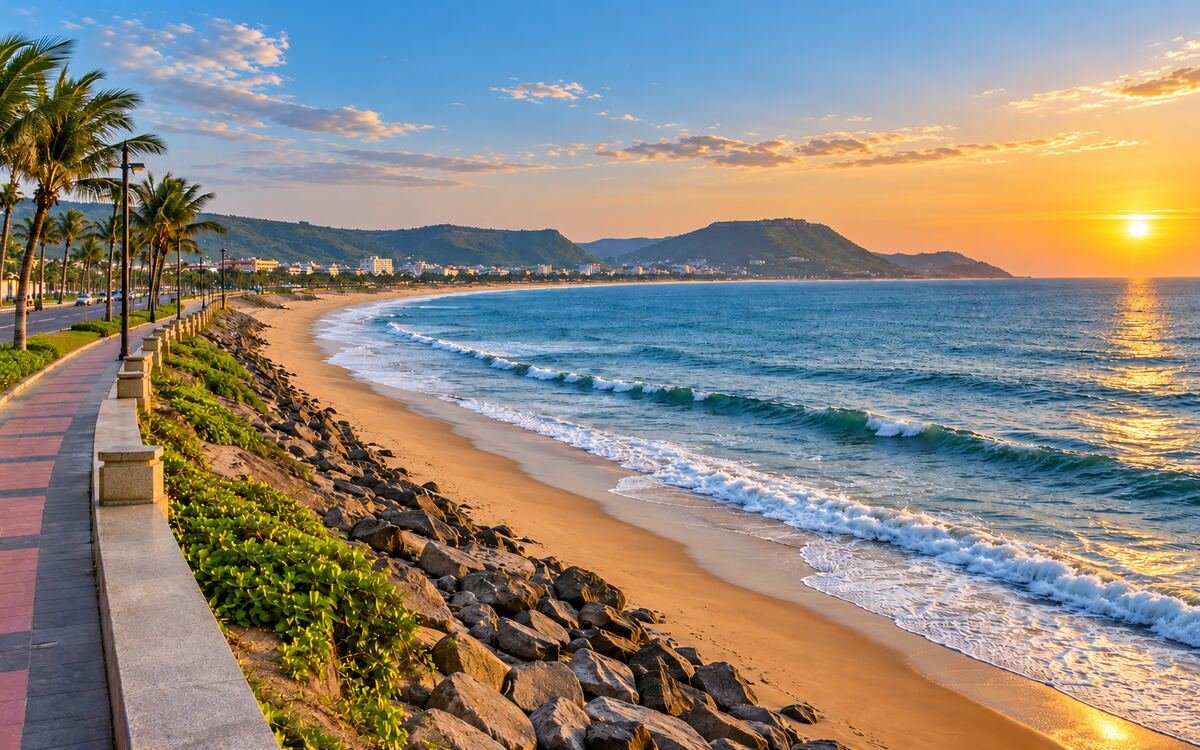
Visakhapatnam — The Jewel of the East Coast
Andhra’s biggest city and its seaside star — long Bay of Bengal beaches, the Kailasagiri hilltop park, a submarine museum, and easy access to the Araku hills. A relaxed, breezy base on the coast.
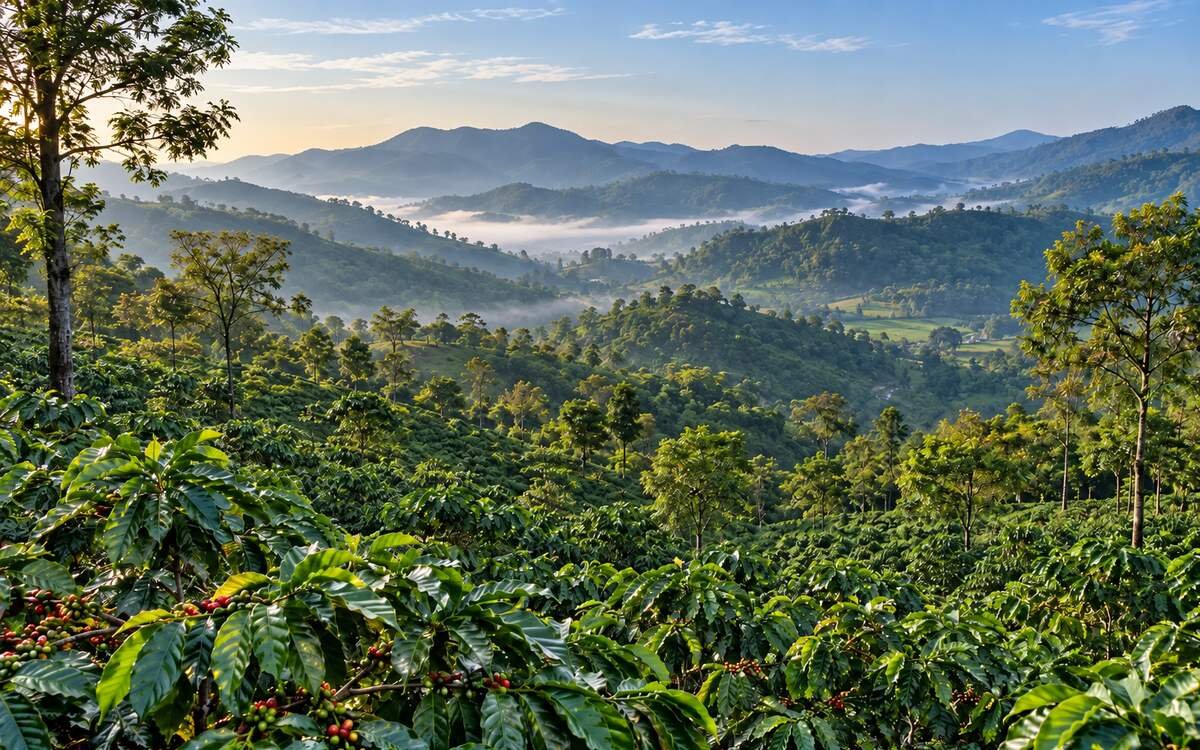
Araku Valley — The Coffee Hills
A cool, green hill station in the Eastern Ghats, reached by one of India’s prettiest train rides. Coffee plantations, waterfalls, tribal culture and the Borra Caves make it a favourite escape from the coast.
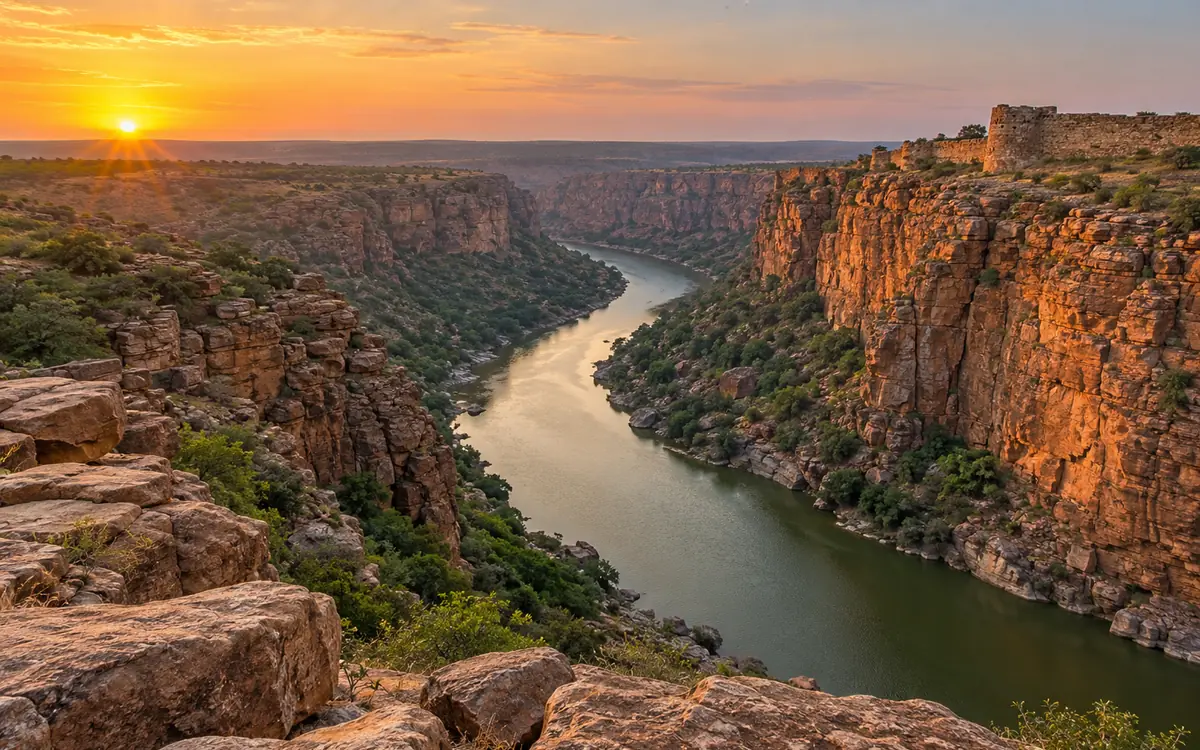
Gandikota — The Grand Canyon of India
A dramatic gorge where the Pennar river carves through red rock below an old fort — camp on the rim, watch the sunrise over the canyon, and explore the crumbling ramparts and temples.
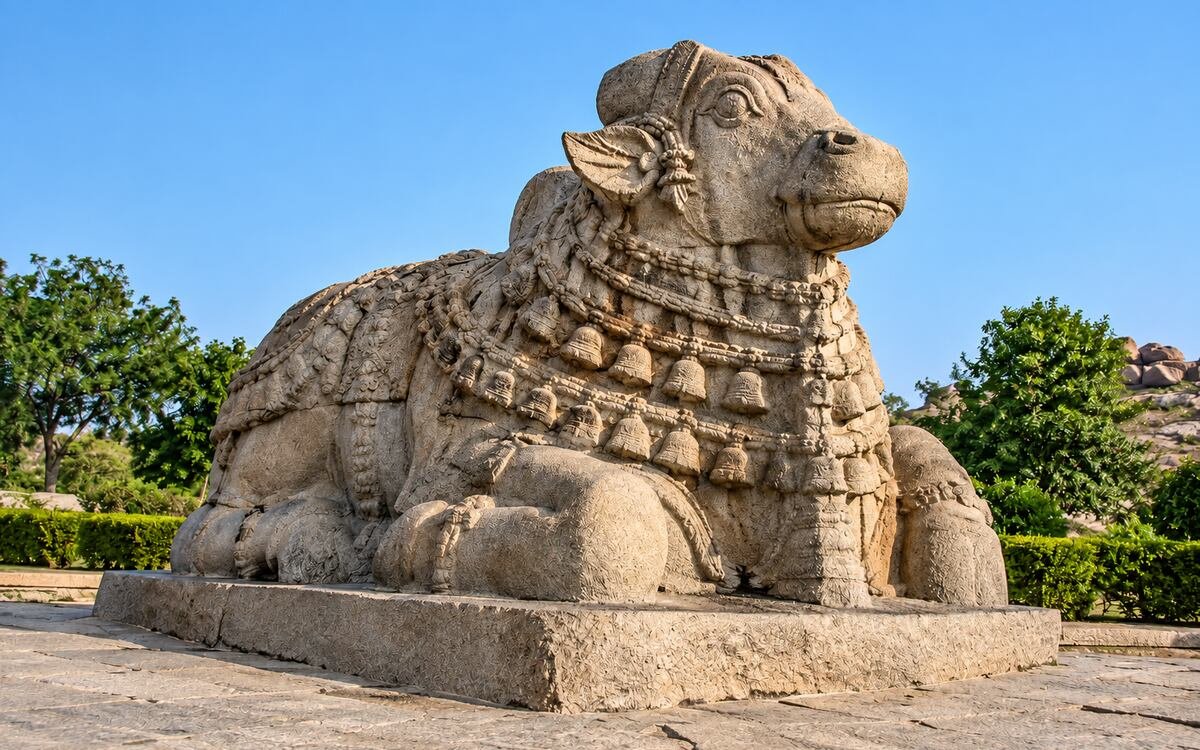
Lepakshi — Vijayanagara Masterpiece
A 16th-century temple town famed for its Veerabhadra Temple, a famous hanging pillar, glorious ceiling murals, and a giant monolithic Nandi — one of South India’s great art stops.
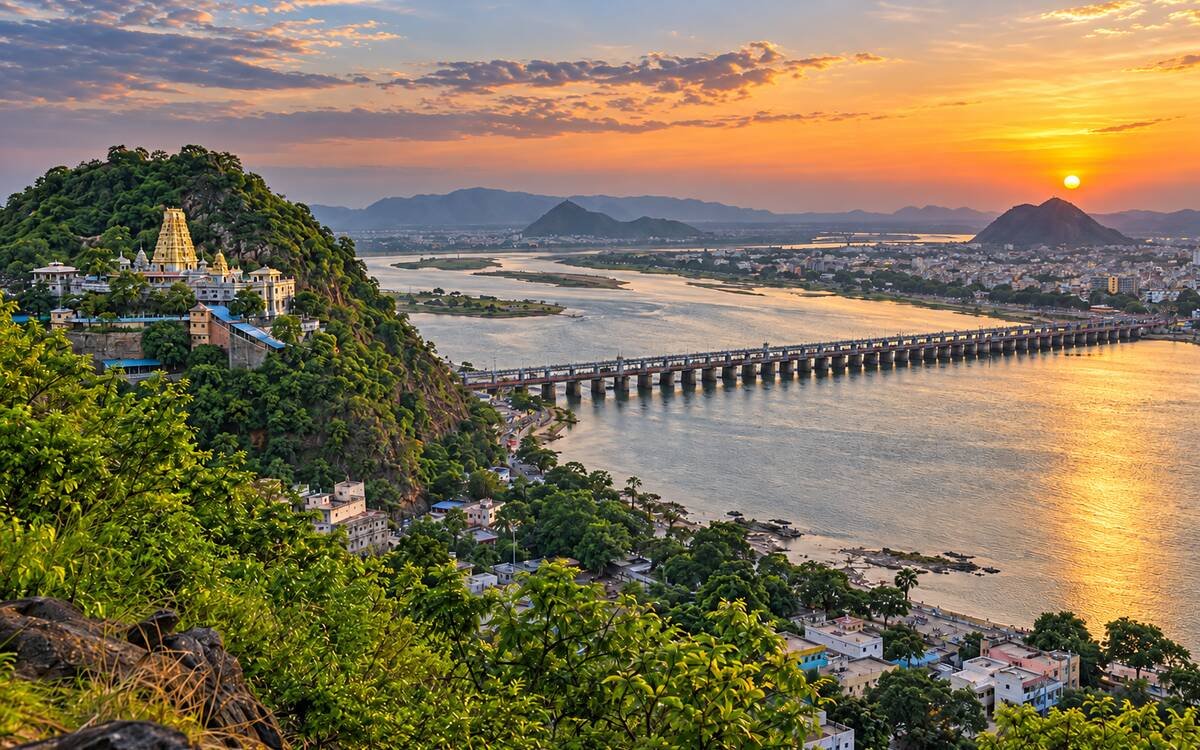
Vijayawada & Amaravati — River & Capital
The commercial heart on the Krishna river, with the hilltop Kanaka Durga temple and Undavalli caves — and nearby Amaravati, the new state capital and an ancient Buddhist stupa site.
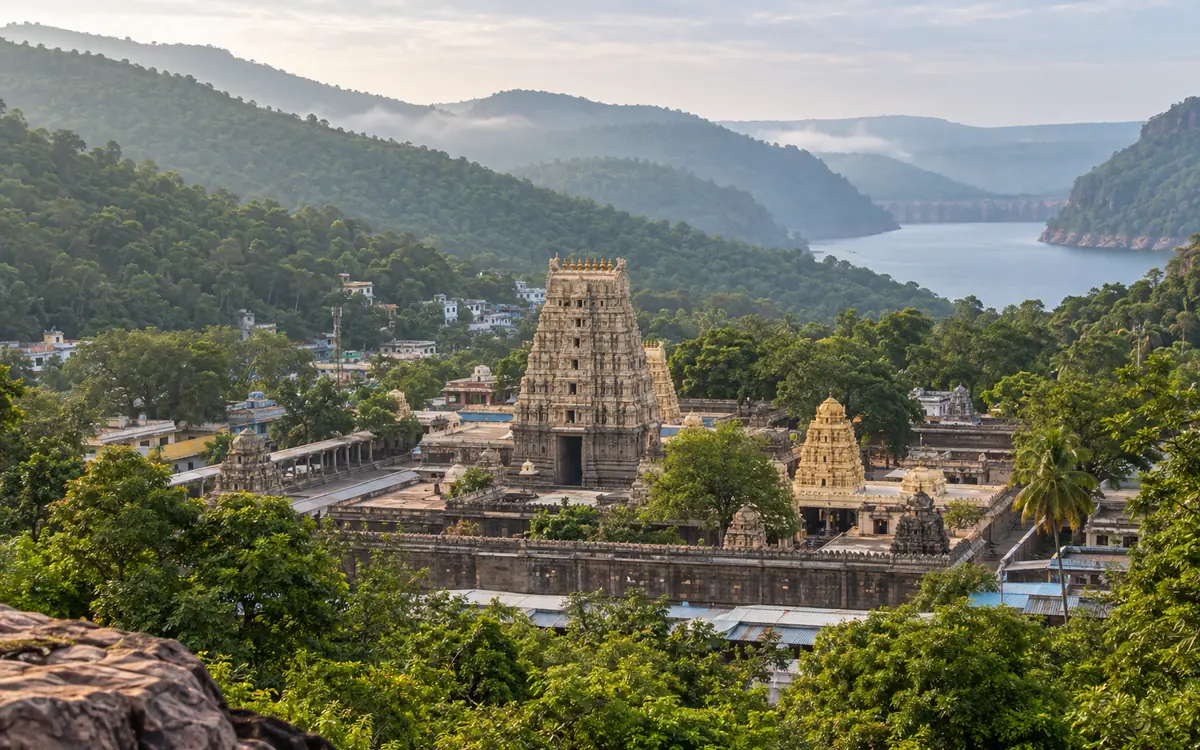
Srisailam — Temple in the Forest
A revered Jyotirlinga temple set deep in the Nallamala hills, wrapped in a vast tiger reserve. A rare blend of pilgrimage and wilderness, with a dam and forest drives nearby.
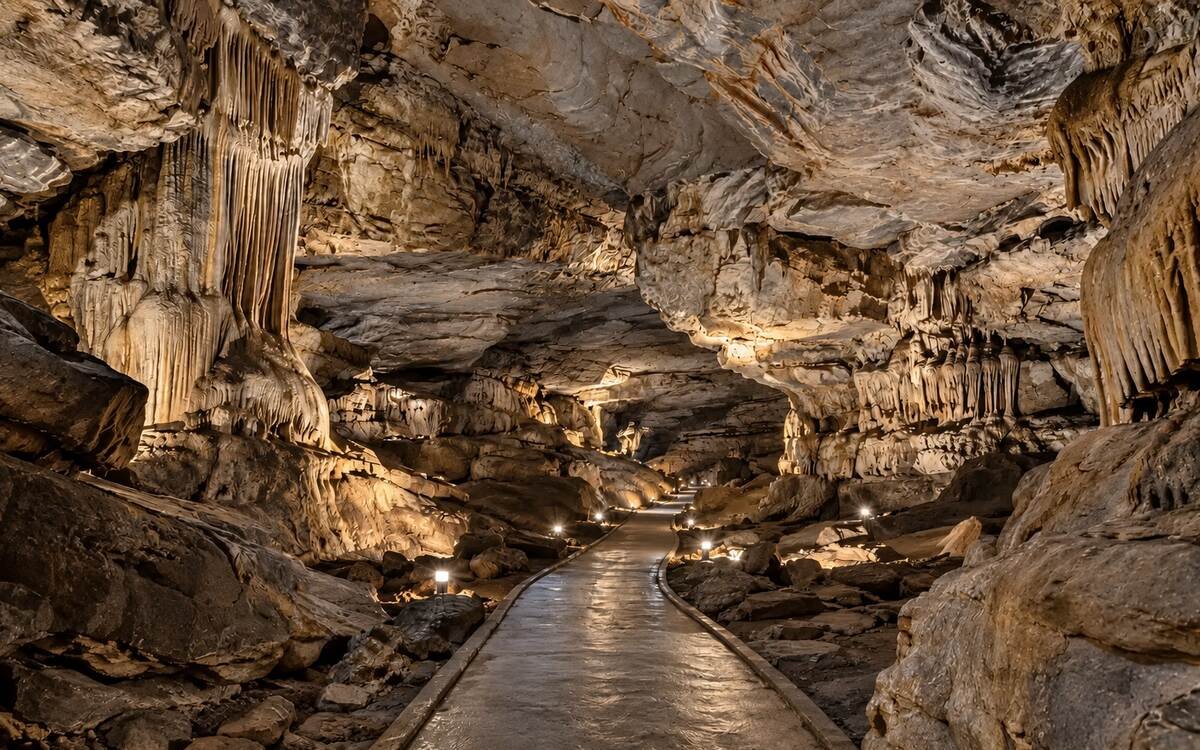
Belum Caves — The Underground Maze
The longest cave system open to visitors in India — a lit network of passages, chambers and stalactites carved by an underground river, deep beneath the Rayalaseema plains.
Pick the route that fits your dates
Andhra works well in three lengths. The north (coast and hills) and the south (temples and forts) are far apart, so shorter trips stick to one region.
Coast & hills
Visakhapatnam · Araku Valley. Beaches and city in Vizag, then the scenic train up to Araku’s coffee hills and caves.
Temples & canyon
Tirupati · Lepakshi · Gandikota · Belum Caves. The great hill temple, Vijayanagara art, the canyon, and India’s longest caves.
The full sweep
Vizag · Araku · Vijayawada · Srisailam · Tirupati. Coast, hills, the Krishna river, a forest temple, and Tirumala — with the travel days built in.
Six things worth building the trip around
- Take darshan at the Sri Venkateswara Temple, Tirumala — book a slot well ahead.
- Ride the Kirandul train from Vizag up to Araku, through tunnels and Eastern Ghats scenery.
- Camp on the rim of the Gandikota gorge and watch sunrise over the canyon.
- Find the famous hanging pillar and painted ceilings at Lepakshi’s Veerabhadra Temple.
- Go underground through the lit chambers and stalactites of the Belum Caves.
- Eat a full Andhra meal — endless rice, gongura, fiery curries and a stack of pickles.
Where to stay
Tirupati has a huge range of pilgrim lodges and hotels, from basic to comfortable; Visakhapatnam has the state’s best choice of beachfront and business hotels; Araku offers resorts and homestays in the hills. Gandikota is known for rim-side tented camps, while temple towns like Srisailam have simple guesthouses and trust accommodation. Book Tirumala stays and darshan slots well in advance, especially on weekends and festivals.
How to get around
Visakhapatnam and Tirupati have the main airports, and Vijayawada is the big central rail hub. Trains link the coastal cities well; the Vizag–Araku line is a scenic ride in itself. For the inland south — Gandikota, Belum Caves, Lepakshi, Srisailam — a hired car is by far the easiest way, as public transport is patchy and distances long. Allow generous travel time between regions.
What to eat
Andhra food is among India’s spiciest and most distinctive — come hungry and try:
- Andhra meals (thali)
- Gongura pachadi
- Pesarattu
- Andhra chicken & mutton
- Royyala iguru (prawns)
- Ulava charu
- Pulihora
- Pootharekulu
- Araku coffee
Small things that make a big difference
Do this
- Book Tirumala darshan (and accommodation) online well ahead — queues are enormous otherwise.
- Pick one region per short trip; the north coast and the southern temples are far apart.
- Hire a car for the inland south, where sights are scattered and buses are slow.
- Ease into Andhra spice levels — and always accept the curd rice at the end of a meal.
Avoid this
- Don’t visit the coast in summer (Apr–Jun) — it’s hot and very humid.
- Don’t assume the hills are warm; Araku and Lambasingi get genuinely cold in winter.
- Don’t turn up at Tirumala without a darshan plan on a weekend or festival day.
- Don’t try to cover the whole state in a week — the distances will eat your trip.
Common Andhra Pradesh questions
What is the best time to visit Andhra Pradesh?
October to March is ideal — cooler, drier weather across the coast, hills and temple towns. Summers (April to June) are hot and humid, especially on the coast, while the monsoon brings rain from roughly June to September, though it keeps the hills lush.
How many days do you need for Andhra Pradesh?
Five days cover a focused trip such as Vizag and Araku, or the southern temple-and-canyon circuit. Seven to ten days let you combine coast, hills and the major temples at a comfortable pace without rushing between distant regions.
How do I book darshan at Tirumala (Tirupati)?
The Tirumala Tirupati Devasthanams (TTD) offers online booking for timed darshan slots and accommodation, which is strongly recommended given the huge crowds. Book as far ahead as you can, particularly for weekends and festival dates, and carry valid ID.
What is Andhra Pradesh famous for?
Its great temples — above all Tirumala at Tirupati — plus a long Bay of Bengal coastline, the Araku hills, the Gandikota canyon, Vijayanagara-era art at Lepakshi, ancient Buddhist sites, and some of the spiciest, most flavourful food in India.
How do I reach Andhra Pradesh?
Visakhapatnam and Tirupati have the main airports, with Vijayawada a major central hub too; all three are well connected by rail across India. For the inland sights, most travellers fly to the nearest city and continue by hired car.
Plan your Andhra Pradesh trip with Travel India
Whether you want the temples of the south, the coast and coffee hills of the north, or a full sweep across the state, Andhra Pradesh can be planned around your dates, budget, and travel style.

Written by Ashvinee Nagle
I travel India slowly and write it down honestly - practical guides and real itineraries from someone who lives here.
About Ashvinee →