
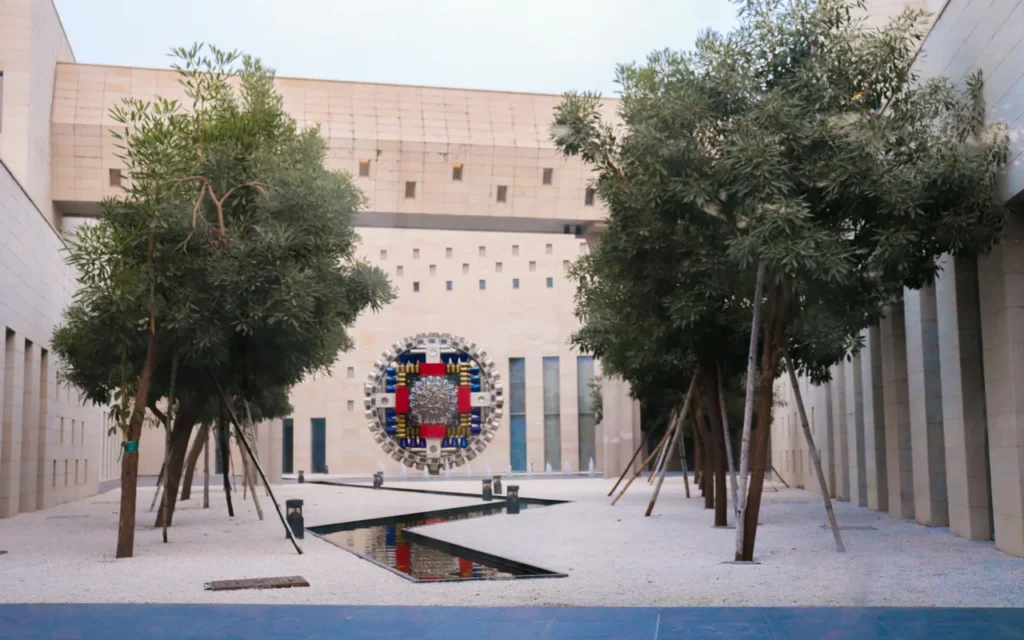
Patna: The Bihar Museum, a Sikh Takht, and the Ganga
A practical guide to Patna — the superb Bihar Museum, the Sikh shrine of Takht Sri Patna Sahib, the Golghar granary and the ruins of ancient Pataliputra, and how to use the capital as the gateway to a Bihar trip.
Patna, the capital of Bihar, stretches along the south bank of the Ganga and sits on one of the most storied pieces of ground in India. As Pataliputra it was the capital of the Mauryan and Gupta empires, governed by Chandragupta and Ashoka when it was among the largest cities on earth. Today it is a busy river city that most travellers use simply as the gateway to Bihar — but the superb Bihar Museum, the Sikh shrine marking Guru Gobind Singh’s birthplace, the old granary and the scattered Mauryan ruins reward a day before you head out to Bodh Gaya and the Buddhist circuit.
Patna, Bihar’s capital on the Ganga, is the gateway to the state and the site of ancient Pataliputra, capital of the Mauryan and Gupta empires. Give it a day for the outstanding Bihar Museum, the Sikh Takht Sri Patna Sahib (Guru Gobind Singh’s birthplace), the beehive-shaped Golghar granary, Buddha Smriti Park and the Mauryan ruins at Kumhrar. It’s the start or end point of most Bihar trips.
Why visit Patna
Three reasons to give Patna a day rather than just passing through.
The Bihar Museum
One of India’s finest modern museums — a striking building whose galleries trace the state’s extraordinary history, with Mauryan masterpieces as the stars. It genuinely reframes everything else you’ll see on a Bihar trip, so visit it first.
Ancient Pataliputra
Patna is ancient Pataliputra, capital of the Mauryan empire under Chandragupta and Ashoka. The ruins at Kumhrar and Agam Kuan are faint today, but the sense of standing on an imperial capital older than Rome’s greatness is real.
A crossroads of faiths
The Sikh Takht Sri Patna Sahib marks the birthplace of Guru Gobind Singh, and the city holds major Hindu temples, Buddhist parks and colonial-era landmarks — a dense layering of history and faith along the Ganga.
When to go
Patna is a hot river-plain city, so the season makes a real difference.
October to March (the season): cool and pleasant, the comfortable time for the city and for the great Chhath Puja festival on the Ganga ghats (usually October or November).
April to June (hot): very hot, often above 40°C, and draining for sightseeing. Go early and plan indoor stops like the museum for the worst of the heat.
July to September (monsoon): humid, and the Ganga can run high and flood low-lying areas; the Sonepur Mela near Patna falls around late November at the edge of the cool season.
Things to do in Patna
The Bihar Museum is the headline; the Sikh Takht, the granary, the parks and the Mauryan ruins fill a full day.
Bihar Museum
A world-class modern museum whose galleries run from prehistory through the Mauryan and Gupta golden ages, with celebrated bronzes and sculpture. Allow a good couple of hours — it’s the best introduction to the whole state.
Takht Sri Patna Sahib
One of the five Takhts of Sikhism, this gurdwara marks the birthplace of Guru Gobind Singh, the tenth Sikh Guru. A major pilgrimage site, welcoming to respectful visitors — cover your head and remove shoes.
Golghar & the riverfront
The beehive-shaped Golghar, a British-era grain store of 1786, gives views over the Ganga from its spiral stairs, and the riverfront and Gandhi Ghat (site of the evening Ganga aarti) are the city’s front door onto the river.
Kumhrar & Agam Kuan
The archaeological park at Kumhrar preserves remains of Mauryan Pataliputra, including traces of an 80-pillared hall, while Agam Kuan is an ancient well linked to Ashoka — faint but atmospheric glimpses of the imperial capital.
Buddha Smriti Park
A peaceful park near the railway station built around a stupa enshrining Buddha relics, with a meditation centre — a quiet, central counterpoint to the city’s bustle.
Patna Museum & the Yakshi
The older Patna Museum (the Jadughar) is worth it for the famous Didarganj Yakshi, a lustrous Mauryan-era stone figure considered a masterpiece of early Indian sculpture.
What to eat
Patna is the state’s food hub — hearty Bihari classics and a lively eating-out scene, all alcohol-free.
Litti chokha
Bihar’s signature dish — roasted wheat balls stuffed with spiced sattu, drowned in ghee and served with smoky mashed vegetables. Patna does it best, from street carts to sit-down places.
Boring Road
Patna’s Boring Road area is the reliable eating-out hub, with cafes, chaat, North Indian and multi-cuisine restaurants and plenty of street food.
Sattu & sweets
Try a cooling sattu drink or sattu paratha, and Bihari sweets like khaja, thekua, balushahi and anarsa; the slow-cooked Champaran mutton (ahuna) is the classic non-veg dish.
Dry state
Bihar is a dry state — alcohol is prohibited across it, Patna included. Don’t expect a bar or a drink with dinner.
Where to stay
Patna has the widest hotel range in Bihar, from business hotels to budget lodges — the obvious base for arriving and departing.
Business & mid-range hotels
The city has the state’s best choice of business and mid-range hotels, concentrated around the Bailey Road, Fraser Road and station areas — convenient for the museum, transport and the airport.
Guesthouses & lodges
Plenty of budget hotels and lodges cluster near the railway station and bus stands — handy and cheap if plain.
Getting there and around
By air: Jay Prakash Narayan Airport in Patna is Bihar’s best-connected airport, with frequent domestic flights to Delhi, Kolkata, Mumbai, Bengaluru and more.
By train: Patna Junction is a major hub on the Delhi–Kolkata line, so the city is easy to reach by rail from across the country, with onward trains to Gaya, Rajgir and beyond.
Getting around: app cabs and autos cover the city; traffic along Ashok Rajpath and the old city can be heavy, so allow time. For day trips and the onward circuit, hire a car with a driver.
Patna is the gateway: Bodh Gaya is about 2.5–3 hours south, and the Nalanda–Rajgir–Pawapuri cluster 2.5–3 hours south-east. Start or end your Bihar trip here.
A full 1-day plan
One day covers the museum, the Takht, the granary and a Mauryan ruin; add a second for the river and the old city.
Museum, Takht and the river
Start at the Bihar Museum in the cool morning, then cross the city to Takht Sri Patna Sahib. After lunch on Boring Road, climb the Golghar for Ganga views and visit Kumhrar or Buddha Smriti Park, finishing at a river ghat for the evening aarti.
Practical tips that actually help
Do the Bihar Museum first
Visit the Bihar Museum early in your trip — it’s the best primer on the state’s history and makes every later ruin more meaningful.
Respect the gurdwara
At Takht Sri Patna Sahib, cover your head, remove shoes and dress modestly. The langar (community kitchen) welcomes all respectfully.
Allow for traffic
Patna’s old city and Ashok Rajpath get congested. Build in extra time, especially for airport runs and crossing town to Patna City in the east.
Time Chhath on the ghats
If you’re here for Chhath Puja (October/November), the dawn and dusk gatherings on the Ganga ghats are extraordinary — but the city is packed, so plan ahead.
Dry state
Alcohol is banned across Bihar, Patna included. Don’t expect a bar or a drink with dinner.
Eat the litti chokha
Patna is the best place in the state for litti chokha and Bihari sweets. Head to Boring Road or the street carts rather than hotel restaurants.
Mistakes first-time visitors make
- Skipping Patna entirely. It’s more than a transit point. A day here — the Bihar Museum above all — sets up the rest of your trip.
- Leaving the Bihar Museum for last. Seen first, it gives context to every ruin after. Seen last, you’ll wish you had its background earlier.
- Underestimating city traffic. Patna’s old city and river road are congested. Don’t cut airport or cross-town timings fine.
- Expecting a drink with dinner. Bihar is dry. Alcohol is banned statewide, so plan evenings accordingly.
Planning Patna into a Bihar trip?
Patna is the gateway to Bodh Gaya and the Buddhist circuit. Tell me your dates and I’ll build it into a full Bihar route.
Patna FAQs
What is Patna famous for?
Patna, Bihar’s capital on the Ganga, is ancient Pataliputra — capital of the Mauryan and Gupta empires. Today it’s known for the superb Bihar Museum, the Sikh shrine Takht Sri Patna Sahib (Guru Gobind Singh’s birthplace), the Golghar granary and the Mauryan ruins at Kumhrar.
How many days do you need in Patna?
One full day covers the Bihar Museum, Takht Sri Patna Sahib, the Golghar and a Mauryan ruin. A second day lets you add the river ghats, the old city and the Patna Museum at a relaxed pace.
What is the best time to visit Patna?
October to March, when the weather is cool and comfortable and the great Chhath Puja festival takes place on the Ganga ghats. Avoid the fierce April–June heat and the humid, flood-prone monsoon.
How do you reach Patna?
Patna has Bihar’s best-connected airport (Jay Prakash Narayan Airport), with frequent domestic flights, and Patna Junction is a major railway hub on the Delhi–Kolkata line, making the city easy to reach by air or rail.
Is the Bihar Museum worth visiting?
Very much so. The Bihar Museum is one of India’s finest modern museums, tracing the state’s history from prehistory through its Mauryan and Gupta golden ages, with celebrated sculptures and bronzes. Visit it early — it reframes the rest of a Bihar trip.
Is alcohol available in Patna?
No. Bihar is a dry state and alcohol is prohibited across it, including Patna. Don’t expect bars or a drink with dinner, and don’t carry alcohol into the state.
Related guides
Keep planning your Bihar trip with these:
Bihar Travel Guide
Bodh Gaya, Nalanda, Rajgir and Patna — how to put a Bihar trip together.
Bodh Gaya
Where the Buddha was enlightened — the Mahabodhi Temple and the monasteries, the heart of a Bihar trip from Patna.
Bihar Museum photo via the Unsplash licence.
Written by Ashvinee Nagle
I travel India slowly and write it down honestly - practical guides and real itineraries from someone who lives here.
About Ashvinee →Plan your India trip with us
Get one short, honest India travel guide a week — plus a free 7-day Rajasthan itinerary to start.
Free. Unsubscribe any time.