
Bhitarkanika: Mangrove Creeks and India’s Densest Crocodile Country
A practical guide to Bhitarkanika — the tidal creeks and boat safaris, the giant saltwater crocodiles, the winter bird colonies, and the Olive Ridley turtles of Gahirmatha, with how to reach it from Bhubaneswar.
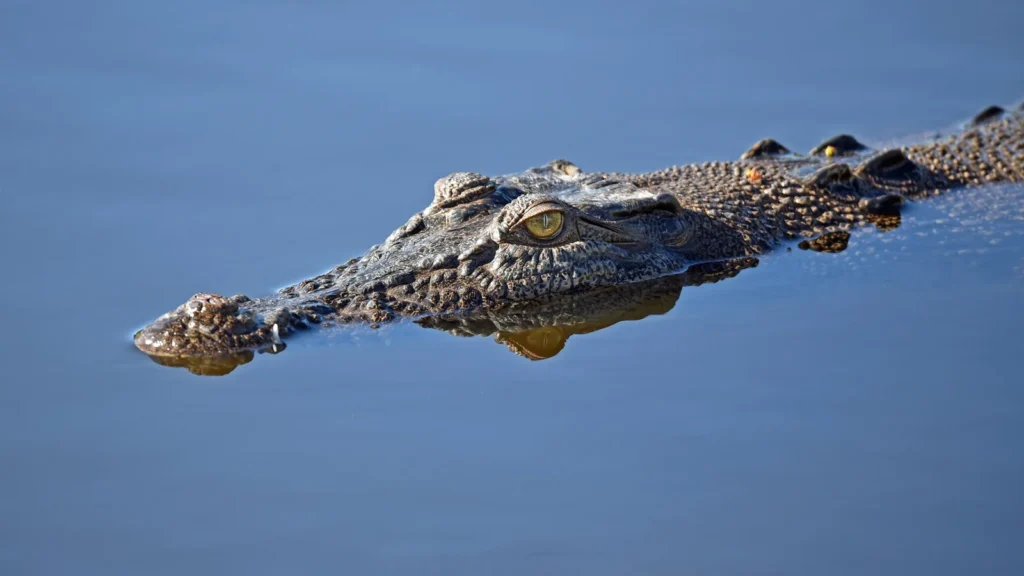
Bhitarkanika is a different Odisha — no temples, no beaches, just a labyrinth of tidal creeks winding through India’s second-largest mangrove forest. You explore it by boat, drifting past walls of mangrove on the lookout for the reason people come: the estuarine, or saltwater, crocodile. Bhitarkanika holds the highest density of these giants in the country, some of them enormous, basking on the mudbanks at low tide. Add water monitors, kingfishers, huge winter bird colonies and, offshore at Gahirmatha, one of the world’s great Olive Ridley turtle nesting beaches, and this quiet corner of the coast becomes one of the state’s wildest.
Bhitarkanika, in Kendrapara district about 150 km from Bhubaneswar, is India’s second-largest mangrove forest and home to the country’s densest population of saltwater crocodiles. You explore it by boat from Khola or Gupti, with a permit taken at the entry point. November to February is the best time — active crocodiles, huge winter bird colonies, and comfortable boating. Nearby Gahirmatha is a mass-nesting beach for Olive Ridley turtles. A one- or two-day wildlife leg on a wider Odisha trip.
Why visit Bhitarkanika
Three reasons Bhitarkanika is worth the detour — and one note on getting there.
The crocodiles
Bhitarkanika has the highest density of saltwater crocodiles in India, including some exceptionally large individuals. Seeing them from a boat — sliding off a mudbank into the creek, or lying motionless in the sun — is a genuinely primeval wildlife experience.
A boat trip through the mangroves
The way you see Bhitarkanika is the pleasure of it: cutting the engine and drifting through narrow creeks walled in green, past water monitors, kingfishers and, in winter, thousands of roosting birds. It is slow, quiet and completely absorbing.
Turtles at Gahirmatha
Offshore, the Gahirmatha coast is one of the largest mass-nesting sites in the world for Olive Ridley turtles, which come ashore in huge numbers in the nesting season. Access is strictly controlled to protect them, but the phenomenon is extraordinary.
When to go
Bhitarkanika’s wildlife and boating conditions make the cool, dry winter months clearly the best, and the park closes at the height of the breeding season.
November to February (the best window): cool and dry, with crocodiles basking, water monitors out, and enormous colonies of winter birds nesting in the heronries. The most comfortable and rewarding time to visit.
October and March (shoulder): workable, warming up or cooling down, with fewer visitors. Still good for crocodiles, which are resident year-round.
Closure and monsoon: the park typically closes for a period around the crocodile breeding season (often May to July), and the monsoon brings heavy rain. Always confirm current opening dates and any closures before you plan a visit.
Things to do in Bhitarkanika
Everything in Bhitarkanika happens on the water or on short forest walks from the creekside. The boat is the experience.
A creek boat safari
The core of any visit — a boat through the tidal creeks watching for saltwater crocodiles on the mudbanks, water monitors, and kingfishers flashing across the water. Low tide brings the crocodiles out; a slow, quiet boat sees the most.
Dangmal & the interpretation centre
At Dangmal, inside the park, a forest interpretation centre, a crocodile rearing enclosure and short walking trails let you learn the ecosystem and see crocodiles at close, safe quarters. The usual first stop after the boat in.
Winter heronries
From roughly November, the mangroves host large mixed heronries — egrets, storks, herons and more nesting in noisy colonies. Bagagahana and other roosts are a highlight for anyone who cares about birds.
Gahirmatha (in season)
The Gahirmatha coast is a mass-nesting beach for Olive Ridley turtles, protected as a marine sanctuary. Nesting access is tightly restricted to protect the turtles; ask locally about what is permitted and when, and never disturb the beach.
The temples in the forest
Scattered through Bhitarkanika are old shrines and a colonial-era bungalow that speak to the area’s history before it was a sanctuary — small human notes in a wild landscape, glimpsed between creeks.
Sunrise and low tide
Time your main boat for early morning and, ideally, a falling tide, when the crocodiles haul out onto the exposed banks and the birds are most active. Your boatman will know the day’s tides.
What to eat
Food here is simple and mostly arranged through your stay or the forest facilities.
Lodge & camp meals
The forest rest houses, eco-camps and nearby resorts provide simple meals — rice, dal, vegetables and local fish — usually as part of the stay. Don’t expect a menu.
Creek & coastal seafood
This is fishing country, and the local fish and prawn preparations are the thing to eat. Ask your host for the day’s catch, cooked simply in the Odia style.
Eat before you go
The gateway towns have basic restaurants and dhabas for a proper meal and supplies before you head into the mangroves, where options thin out.
Water, repellent & cash
Carry water, strong insect repellent (the mangroves have mosquitoes), sun cover and cash. There is little to buy once you’re on the creeks.
Where to stay
Accommodation is simple — forest rest houses and eco-camps inside or beside the park, and a few resorts near the gateways. Book ahead in winter.
Dangmal / forest rest houses
The forest department rest houses and eco-camps at Dangmal and nearby put you at the creekside for an early boat. Basic but atmospheric; booked through the forest department, often ahead of arrival.
Gupti & gateway resorts
A handful of private resorts and eco-lodges near Gupti and the entry points offer more comfort and organise boats and permits. The easier option if the rest houses are full.
Getting there and around
Entry points: the park is entered by boat from Khola and Gupti, where you take the required entry permit. Khola is the main jetty for the core creeks and Dangmal.
Getting there: Bhitarkanika is in Kendrapara district, roughly 150 km from Bhubaneswar (about 4 hours by road) and reached via Chandbali or Rajnagar. Bhubaneswar’s airport and railway junction are the practical arrival points for the wider trip.
Getting around: inside the sanctuary everything is by boat, arranged at the jetties or through your lodge, with a permit and often a guide. Confirm boat, permit and tide timings in advance, especially in the busy winter season.
Bhitarkanika is a coastal wildlife detour rather than a temple-trail sight. It pairs naturally with the northern coast, and works as a one- or two-day add to a Bhubaneswar-based itinerary rather than a Puri beach trip.
A simple 2-day plan
Two days lets you do a proper morning boat and reach the heronries without rushing.
Into the mangroves
Drive from Bhubaneswar and enter at Khola with your permit. An afternoon boat through the creeks for crocodiles and water monitors as the tide falls, then Dangmal for the interpretation centre and an overnight at a creekside rest house or eco-camp.
Dawn boat and the birds
An early boat for the best crocodile and bird activity, taking in the winter heronries deeper in the creeks, then back to the jetty and on toward your next base. Ask locally about Gahirmatha if turtle season is on.
Practical tips that actually help
Check opening dates and closures
The park usually closes for a period around the crocodile breeding season and in the monsoon. Confirm current dates before you plan a visit.
Time the boat with the tide
Crocodiles haul out onto the banks at low tide, so a falling tide in the early morning gives the best sightings. Your boatman will know the day’s tides — plan around them.
Sort permits and boats ahead
Entry needs a permit taken at Khola or Gupti, and winter weekends are busy. Arrange your permit, boat and stay in advance to avoid delays at the jetty.
Come prepared for mangroves
Carry strong insect repellent, sun cover, water and cash. The mangroves have mosquitoes and there is little to buy on the creeks.
Respect the turtle rules
Gahirmatha’s nesting beaches are strictly protected. Follow all restrictions, keep your distance, and never use lights or disturb nesting turtles.
Keep a safe distance from crocodiles
These are large wild animals. Stay in the boat, keep hands and limbs inside, and don’t ask the boatman to approach too closely for a photo.
Mistakes first-time visitors make
- Coming during the closure or monsoon. The park shuts for a period around breeding season and the rains. Turning up then means no boats and a locked gate.
- Ignoring the tides. Crocodile sightings depend on a falling tide exposing the banks. A boat at the wrong tide sees far less.
- Treating it as a beach trip. Bhitarkanika is a wildlife sanctuary, not a resort coast. Come for the crocodiles, birds and mangroves, not for swimming.
- Skipping insect repellent. The mangroves have mosquitoes, especially at dawn and dusk. Not carrying repellent is a quick way to spoil the boat trip.
Adding Bhitarkanika to your Odisha trip?
Bhitarkanika is the coast’s wild card — a mangrove and crocodile detour that needs its own day or two. Tell me your dates and I’ll fit it around the temples and the lagoon.
Bhitarkanika FAQs
What is Bhitarkanika famous for?
Bhitarkanika, in Kendrapara district of Odisha, is India’s second-largest mangrove forest and home to the country’s densest population of saltwater (estuarine) crocodiles. It is also known for its winter bird colonies and for the Olive Ridley turtles that mass-nest at nearby Gahirmatha.
How do you visit Bhitarkanika?
By boat, entering from Khola or Gupti where you take the required permit, about 150 km (four hours) from Bhubaneswar. Boats run through the tidal creeks to see crocodiles, birds and the interpretation centre at Dangmal; most visitors arrange the boat and permit through a lodge or at the jetty.
What is the best time to visit Bhitarkanika?
November to February, when the weather is cool and dry, the crocodiles are active, and the mangroves host large winter bird colonies. The park usually closes for a period around the crocodile breeding season and the monsoon, so confirm current dates.
Are the crocodiles dangerous?
Bhitarkanika’s saltwater crocodiles are large, wild animals and are viewed safely from the boat. Stay seated, keep limbs inside, don’t swim in the creeks, and never ask the boatman to approach too closely — respect the distance and there’s no danger.
Can you see turtles at Bhitarkanika?
The Gahirmatha coast near Bhitarkanika is one of the world’s largest Olive Ridley turtle mass-nesting sites, but access during nesting is strictly controlled to protect them. Ask locally about what is permitted in season, and never disturb the beach.
How far is Bhitarkanika from Bhubaneswar?
About 150 km, roughly four hours by road via Chandbali or Rajnagar. Bhubaneswar, with its airport and railway junction, is the usual arrival point for a trip that includes Bhitarkanika.
Related guides
Keep planning your Odisha trip with these:
Odisha Travel Guide
The temple triangle, the lagoon, the crafts and the wild coast — how to put an Odisha trip together.
Chilika Lake
Asia’s largest lagoon, with Irrawaddy dolphins and winter birds — the gentler wildlife day on the southern coast.
Written by Ashvinee Nagle
I travel India slowly and write it down honestly - practical guides and real itineraries from someone who lives here.
About Ashvinee →Plan your India trip with us
Get one short, honest India travel guide a week — plus a free 7-day Rajasthan itinerary to start.
Free. Unsubscribe any time.