
Sikkim — Mountain monasteries, high lakes, and the Kanchenjunga at dawn
Himalayan monasteries, glacial lakes above 4,000 metres, rhododendron valleys, and the world’s third-highest mountain on the skyline. Here’s everything you need to plan it well.
Sikkim, at a glance
Sikkim is India’s second-smallest state, a sliver of the eastern Himalaya wedged between Nepal, Tibet and Bhutan — and it packs more altitude into a day’s drive than almost anywhere in the country. You can wake among tea and cardamom at 1,500 metres and stand beside a frozen lake above 4,000 metres by lunch. Most people arrive through Siliguri in West Bengal and base themselves in Gangtok; from there the state splits neatly into four trips — the East for high lakes and the old trade route to Tibet, the North for remote valleys and sacred lakes, the West for the best views of Kanchenjunga, and the South for something gentler and greener.
Two things shape every Sikkim plan. Distances look short on a map, but mountain roads move at 20–30 km/h, and clouds often hide the peaks by mid-morning — so build in slack and start early. Several areas also need permits, which are easy to arrange but not something to leave to the last day.
Permits and road access last checked: 26 October 2026, against official notices (Sikkim Tourism permits · road update). Rules change often — confirm with a registered operator before you book.
Six places that make a classic Sikkim trip
You won’t cover all of Sikkim in one trip. Pick three or four of these, give the mountains time, and plan around the weather rather than against it.
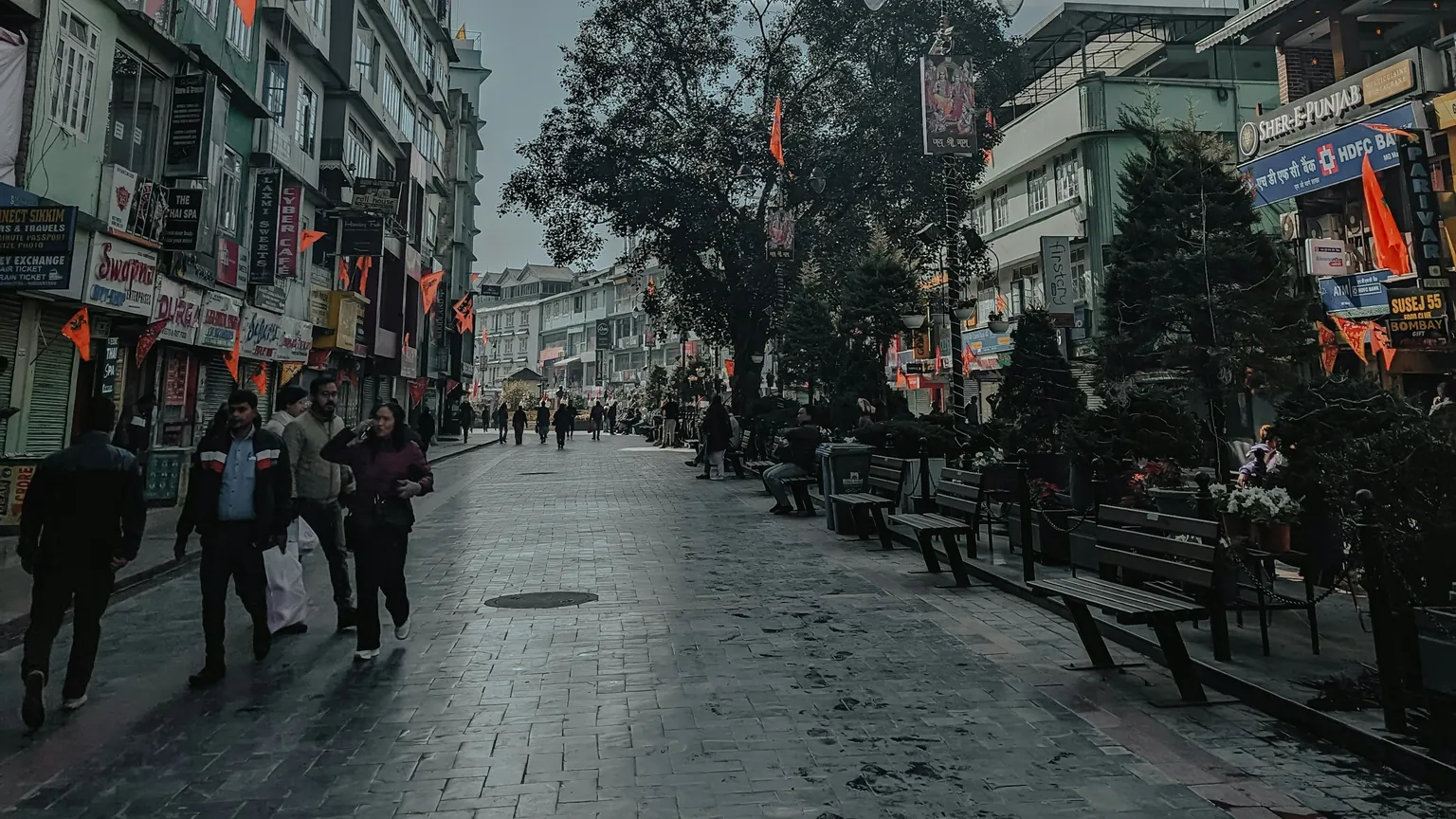
Gangtok — The Hill Capital
Sikkim’s capital climbs a ridge facing the Kanchenjunga range. MG Marg, the car-free main street, is the town’s living room in the evenings; Enchey and Rumtek monasteries are close enough for a morning visit, and Gangtok is where you arrange permits and shared jeeps for the rest of the state.
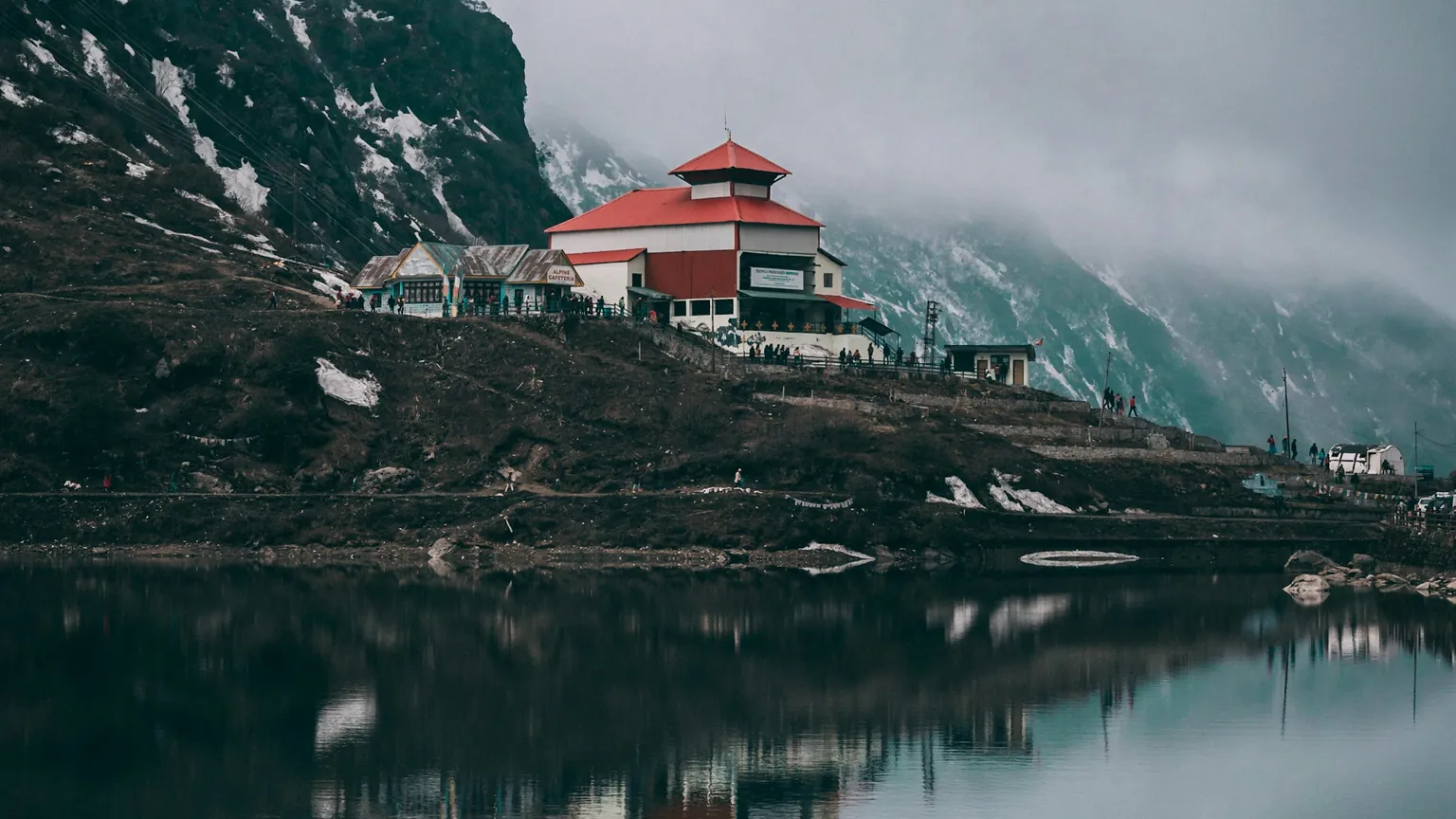
Tsomgo Lake & Nathu La — The High East
A glacial lake at around 3,750 metres — a possible day trip from Gangtok, but go slowly at that altitude. Beyond it lies Nathu La, the pass on the old trade route to Tibet at about 4,300 metres. Both need a permit arranged through a registered operator, and Nathu La is open only to Indian nationals, on set days of the week.
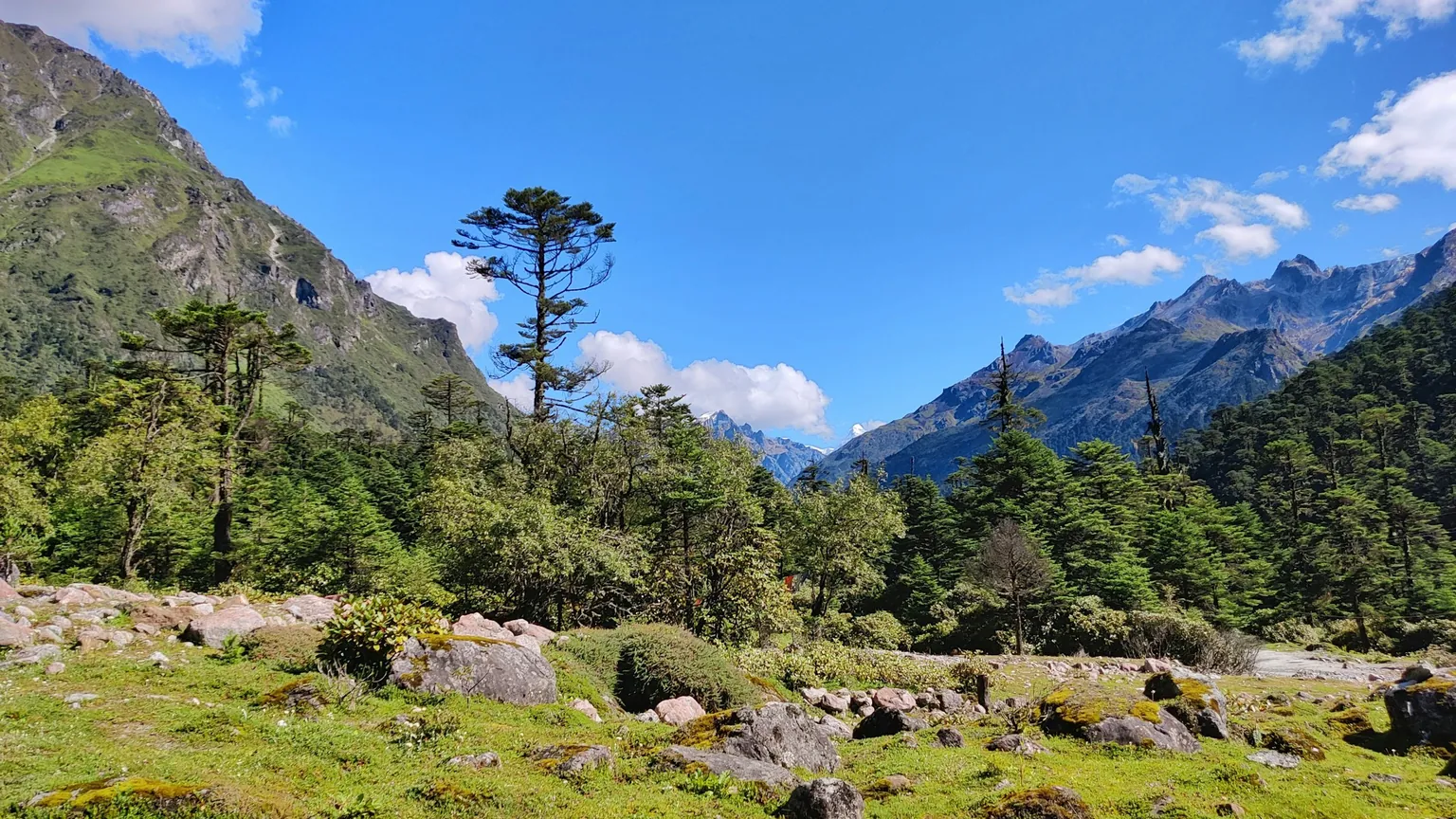
Lachung & Yumthang — The Valley of Flowers
A North Sikkim village of wooden houses beneath steep cliffs, and the gateway to Yumthang Valley. In spring the valley turns red and pink with rhododendrons (usually April–May); in winter it lies under snow. Visits run as short tours from Gangtok, with permits handled by the operator.
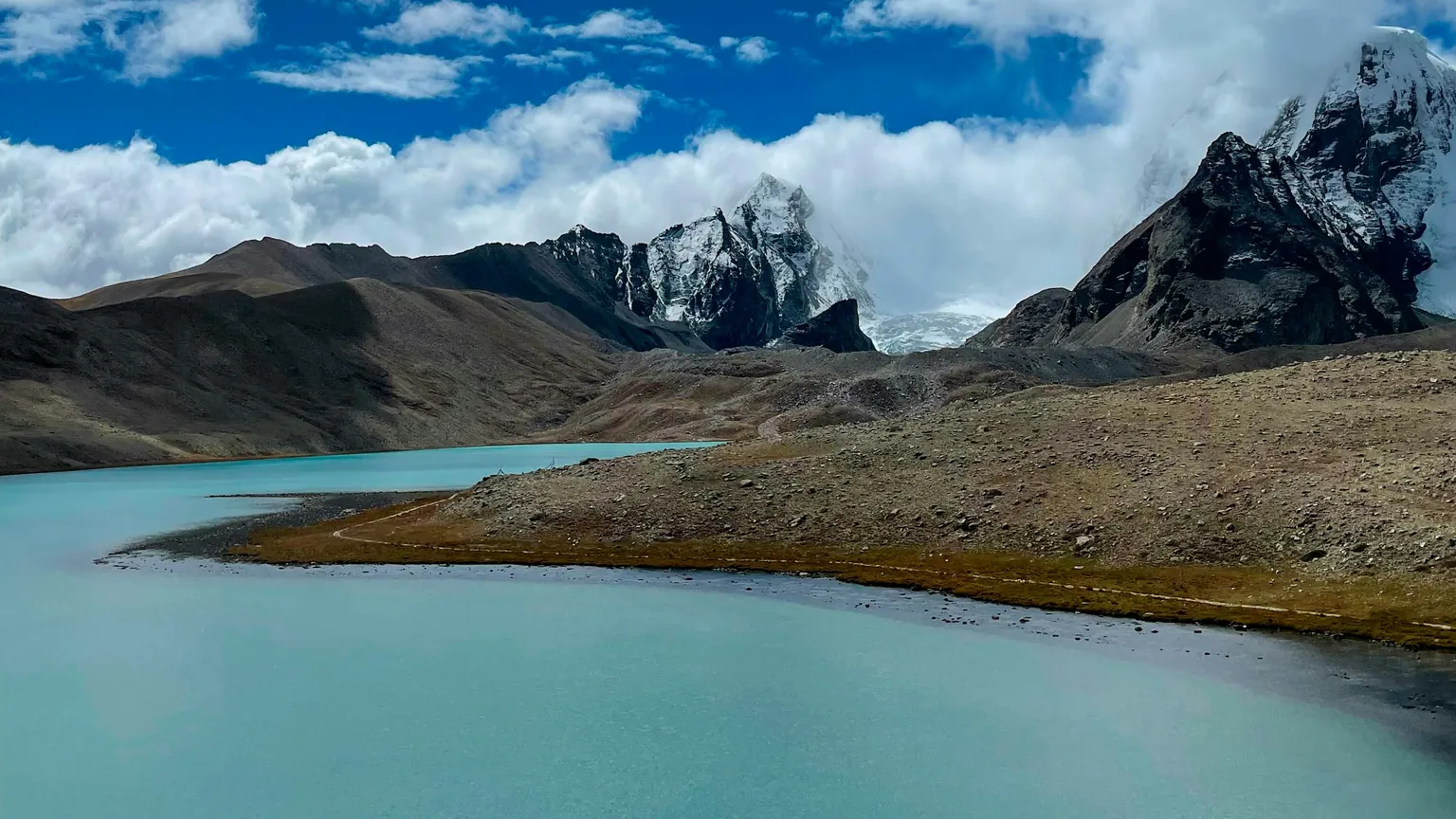
Lachen & Gurudongmar — The Sacred High Lake
Gurudongmar is one of the highest lakes in the world, at roughly 5,200–5,400 metres (sources vary), and sacred to Buddhists and Sikhs. Tours leave Lachen before dawn to reach it while the sky is clear. A night in Lachen (about 2,700 m) is a staging stop, not full acclimatisation for a lake above 5,000 m — if you get a headache, nausea or breathlessness, don’t go higher, and descend if symptoms worsen. Foreign tourists can’t visit Gurudongmar, though permitted visits to Lachen and other northern areas may be possible.
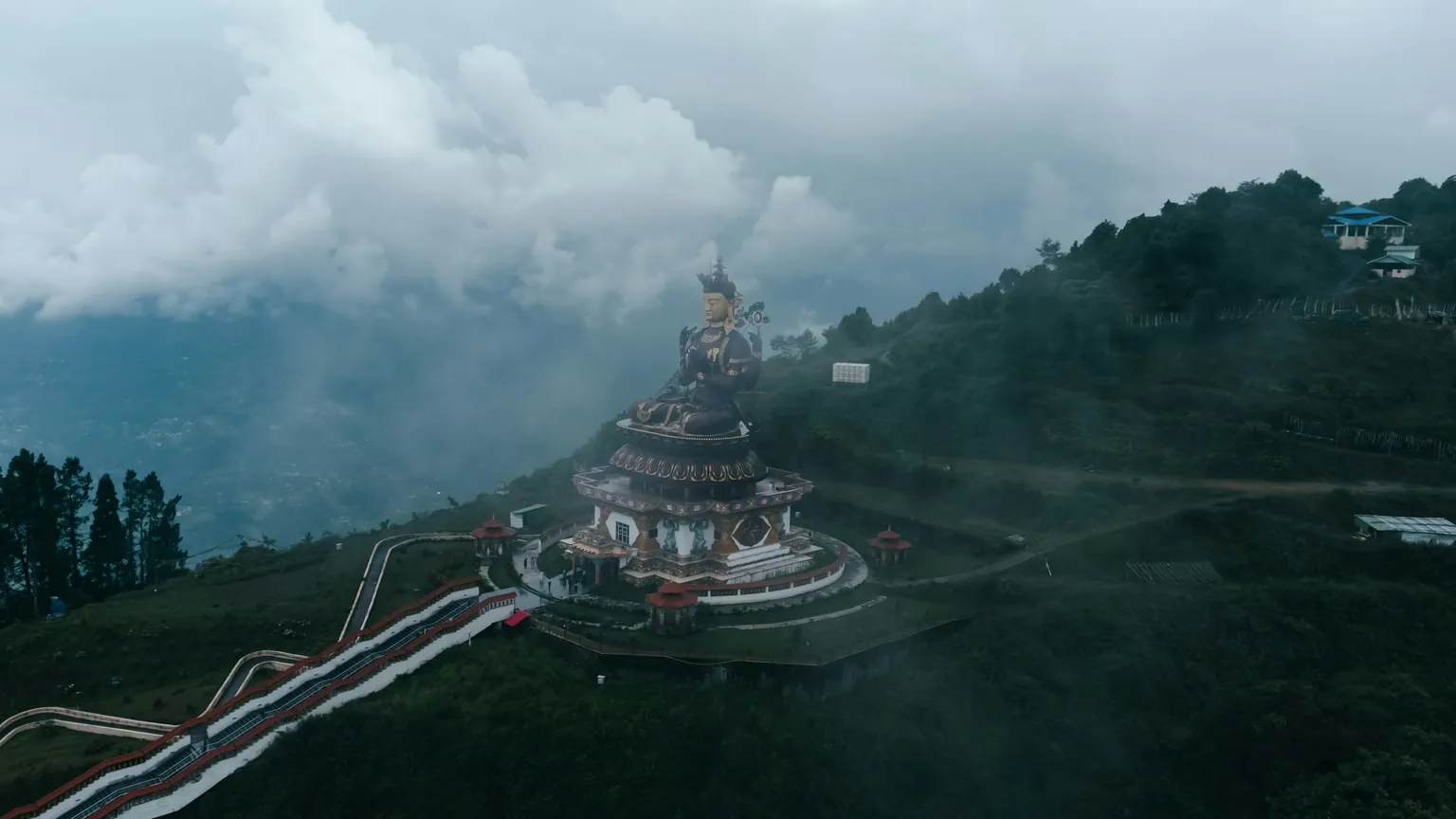
Pelling — Kanchenjunga at Sunrise
West Sikkim’s viewpoint town, where Kanchenjunga feels close enough to touch on a clear morning. The Skywalk and its giant Chenrezig statue, Pemayangtse Monastery and the ruins of Rabdentse, the old royal capital, are all a short drive away. Come for at least two dawns: one is often cloudy.
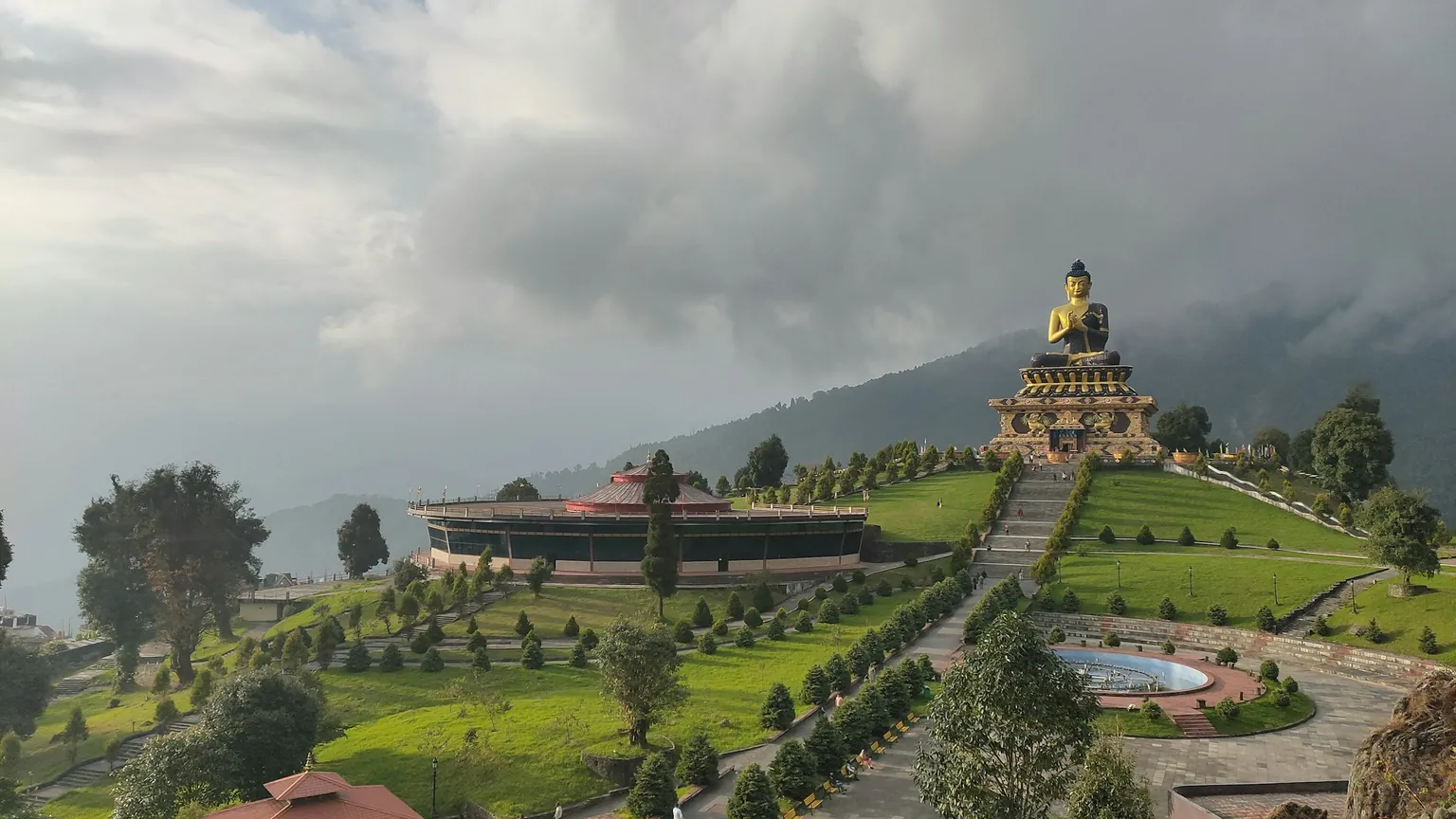
Ravangla & Namchi — The Quiet South
Gentler roads, tea gardens at Temi and two big landmarks — Buddha Park at Ravangla and the Char Dham complex above Namchi. It’s the part of Sikkim most visitors skip, which is exactly why it’s restful between longer mountain days.
Pick the route that fits your dates
Sikkim works at three lengths. Bagdogra airport or New Jalpaiguri station is the gateway; build in a buffer day, because roads and weather set the pace up here.
Gangtok & the high east
Gangtok · Tsomgo · Ravangla. Three nights in Gangtok with a day trip to Tsomgo (and Nathu La if your permit allows), then a night in Ravangla on the way back down. Good for a first visit, or when the season rules out the north.
The North Sikkim loop — fast-paced, Indian nationals
Days 1–2 Gangtok · Day 3 drive to Lachen · Day 4 Gurudongmar at dawn, then down to Lachung · Day 5 Yumthang, back to Gangtok · Days 6–7 Pelling · Day 8 depart. It’s tight — one road closure or slow transfer can break it, so a 9–10-day version with a buffer day in Gangtok and a night in Ravangla is more comfortable. North Sikkim tours are usually sold as fixed packages from Gangtok, permits included.
All four corners
Gangtok · North Sikkim · Ravangla · Pelling · Yuksom · Darjeeling. The eight-day loop plus Ravangla and Yuksom, the trailhead for the Dzongri and Goecha La treks, finishing across the border in Darjeeling or Kalimpong — see our West Bengal guide.
Before you book North Sikkim
- Access checked 26 October 2026: the Lachen road near Taramchu Bridge reopened on 29 August 2026 after four months of disruption (Sikkim government notice). Access changes often — confirm the Lachen–Gurudongmar route and your permits with a registered operator before booking non-refundable travel.
- Foreign nationals: you can’t visit Gurudongmar; permitted visits to Lachen and other northern areas may be possible. The usual alternative is Gangtok → Lachung (Yumthang, and Zero Point if your permit allows) → Gangtok.
- Altitude: a night in Lachen (about 2,700 m) is a staging stop, not full acclimatisation for Gurudongmar above 5,000 m. If you get a headache, nausea or breathlessness, don’t go higher; descend if symptoms worsen (CDC altitude guidance).
- Pace: the 8-day loop is fast. Allow 9–10 days if you want a buffer for weather or road closures.
Six things worth building the trip around
- Watch first light hit the Kanchenjunga range from Pelling — arrive before local sunrise; clouds usually roll in by mid-morning.
- Reach Gurudongmar Lake at dawn on the North Sikkim loop (Indian nationals only) after a staging night in Lachen — and turn back if altitude symptoms develop.
- Sit quietly through morning prayers at Rumtek or Enchey Monastery.
- Walk Yumthang Valley during the rhododendron bloom, usually April–May.
- Drive the Old Silk Route hairpins near Zuluk on a clear morning (permit required).
- Eat your way along MG Marg — momos, thukpa, sha phaley, and a bag of hard chhurpi cheese for the road.
Where to stay
Gangtok has everything from heritage-style boutique hotels to simple guesthouses around MG Marg — stay within walking distance of it. In the north, Lachung and Lachen have basic, package-linked lodges; expect simple rooms and early starts. Pelling’s hotels line the ridge for Kanchenjunga views, so ask for a mountain-facing room, and homestays across the south and west are the warmest way to stay.
How to get around
Fly into Bagdogra (IXB) or take the train to New Jalpaiguri (NJP), then 4–5 hours by road to Gangtok in a private taxi or shared jeep from Siliguri. Within Sikkim, shared jeeps link the main towns cheaply, but a car with a local driver is far easier for viewpoints and early starts. North Sikkim is visited on operator-run tours with permits included.
What to eat
Sikkimese food is warming, simple and built for the cold. Try these at least once:
- Momos
- Thukpa
- Sha phaley
- Gundruk soup
- Phagshapa (pork with radish)
- Sel roti
- Chhurpi
- Butter tea
Small things that make a big difference
Do this
- Carry several passport photos and ID copies — permits for the East and North are processed through registered operators.
- Start every mountain day early; views and roads are both at their best before noon.
- Carry cash — ATMs become scarce quickly once you leave Gangtok.
- Walk clockwise around stupas and prayer wheels, dress modestly, and ask before photographing monks.
- Bring a refillable bottle — Sikkim restricts single-use plastic, and packaged water is banned in some areas.
Avoid this
- Don’t plan North Sikkim in the monsoon (June–September); landslides regularly close roads.
- Don’t treat one night in Lachen as full acclimatisation for Gurudongmar, above 5,000 m — if symptoms develop, don’t go higher, and descend if they worsen.
- Don’t assume every area is open to everyone — foreign nationals need a Restricted Area Permit to enter Sikkim, and some places stay closed to them.
- Don’t fly a drone anywhere near the border areas.
Common Sikkim questions
What is the best time to visit Sikkim?
March to May brings mild weather and rhododendrons in bloom; October to December has the clearest mountain views. January and February are cold, with snow at altitude and some high areas closed. Avoid June to September for North Sikkim, when monsoon landslides are common.
How many days are enough for Sikkim?
Five days cover Gangtok and the high lakes of the East. Eight days add the North Sikkim loop and Pelling, and twelve let you see all four regions and finish in Darjeeling or Kalimpong.
Do I need a permit to visit Sikkim?
Indian nationals don’t need a permit to enter Sikkim, but do need permits for protected areas such as Tsomgo Lake, Nathu La and North Sikkim, usually arranged by a registered tour operator in Gangtok. Foreign nationals need a Restricted Area Permit to enter the state, plus extra permits for some areas, and a few places are closed to them — including Nathu La and Gurudongmar.
How do I reach Sikkim?
Fly to Bagdogra (IXB) or take a train to New Jalpaiguri (NJP), then drive about 4–5 hours to Gangtok by taxi or shared jeep. As of October 2026 Pakyong Airport near Gangtok has no regular scheduled flights — plan via Bagdogra and check the airline’s live Pakyong schedule before considering it.
Is North Sikkim suitable for children or older travellers?
Lachung and Yumthang are manageable for most travellers. Gurudongmar, above 5,000 m, needs real care: a night in Lachen is a staging stop rather than full acclimatisation, so keep the visit short, don’t go higher if anyone has a headache, nausea or breathlessness, descend if symptoms worsen, and check with a doctor beforehand if anyone has heart or breathing conditions.
Plan your Sikkim trip with Travel India
Whether you want a monastery-and-mountains week, the North Sikkim lakes in rhododendron season, or a slow loop that ends with tea in Darjeeling, Sikkim can be planned around your dates, budget and travel style.
Photos via Unsplash: hero — Soumik Ghosh, Gangtok — Simanta Saha, Tsomgo — Sahil Pandita, Yumthang — Saief Al Emon, Gurudongmar — Upbeat Nomad, Pelling — Neeraj Pramanik, Ravangla — Pulak Bhagawati.
Written by Ashvinee Nagle
I travel India slowly and write it down honestly - practical guides and real itineraries from someone who lives here.
About Ashvinee →