
Warangal: The Kakatiya Capital of Forts and Carved Stone
A practical guide to Warangal — the ruined fort and its great stone gateways, the Thousand Pillar Temple, the Bhadrakali shrine, and using the city as the base for the Kakatiya heritage of eastern Telangana.
Warangal was the capital of the Kakatiya dynasty, the great medieval power of the Deccan that built some of the finest stonework in southern India. Known in its heyday as Orugallu, the “one rock” city, it left behind a ruined fort ringed by carved gateways, the remarkable Thousand Pillar Temple, and a landscape of temples and tanks that the Kakatiyas engineered across the region. The famous Kakatiya arch — one of those fort gateways — is now the state emblem of Telangana. About 145 km from Hyderabad, Warangal is the heart of the state’s heritage beyond the capital, and the base for the UNESCO temple at Ramappa.
Warangal, about 145 km from Hyderabad, was the Kakatiya capital and is the centre of Telangana’s medieval heritage. The highlights are the ruined Warangal Fort with its four great carved gateways (one of which is the state emblem), the 12th-century Thousand Pillar Temple at Hanamkonda, and the Bhadrakali temple. Give it a day or two, and use it as the base for the UNESCO Ramappa Temple nearby. October to February is the season — an essential stop on a Telangana heritage trip.
Why visit Warangal
Three reasons Warangal is the key to Telangana’s heritage — and one honest note.
The Kakatiya gateways
The four kirti toranas — ornamental stone gateways that once framed a great temple inside the fort — are the signature of Kakatiya art, and one of them is the official emblem of Telangana. Standing among them in the ruined fort is the definitive Warangal experience.
The Thousand Pillar Temple
At Hanamkonda, the star-shaped 12th-century Rudreshwara or Thousand Pillar Temple, with its triple shrine, intricately carved columns and monolithic Nandi, is one of the masterpieces of Kakatiya architecture — and it is still a living temple.
A base for Kakatiya country
Warangal anchors a whole landscape of Kakatiya heritage — the fort and temples in the city, the UNESCO Ramappa Temple to the east, and the great engineered tanks and lakes around it. It is the natural hub for all of it.
When to go
Warangal is inland Deccan country, so the season is about the heat, and the sites are largely open and shadeless.
October to February (the season): cool and comfortable for the open fort and the temples. December and January are the best of it, and the time for an unhurried visit.
March to June (hot): increasingly fierce heat, hard going at the open fort and gateways. Start early and keep the middle of the day for the shaded temples.
July to September (monsoon): greener and quieter, with the surrounding tanks full and the landscape at its best. Manageable rain, and a fine time for the countryside.
Things to do in Warangal
The fort and the Thousand Pillar Temple are the core; the tanks and Bhadrakali round out a day or two. A car makes stringing them together easy.
Warangal Fort & the gateways
The ruined Kakatiya fort, with its concentric earthen and stone ramparts and, at its centre, the four great kirti torana gateways and the scattered carved remains of the Swayambhu Shiva temple. This is the heart of the city’s heritage — give it proper time.
Thousand Pillar Temple
At Hanamkonda, the star-shaped 12th-century Rudreshwara temple with its triple shrine to Shiva, Vishnu and Surya, finely carved pillars and a large monolithic Nandi. A living temple and a Kakatiya masterpiece, open to all.
Bhadrakali Temple
An ancient hilltop temple to the goddess Bhadrakali beside a Kakatiya-era tank, with fine views over the city — an easy, atmospheric addition to the fort and the Thousand Pillar Temple.
Pakhal & Laknavaram
The Kakatiyas were great tank-builders, and the lakes they engineered — Pakhal, with its wildlife sanctuary, and the island-strewn Laknavaram with its hanging bridge — make a fine day out into the countryside if you have the time.
Ramappa Temple
The UNESCO-listed Ramappa (Rudreshwara) Temple, about 70 km east of Warangal near Palampet, is the finest single Kakatiya monument and the reason many people base here. Best given its own half day.
Warangal & Hanamkonda bazaars
The twin cities of Warangal and Hanamkonda have busy markets and a relaxed Deccan-town feel — a pleasant place to eat, shop for local textiles and slow down between the monuments.
What to eat
Warangal eats simply and well — Telangana home cooking and the usual South Indian and biryani staples.
Telangana thali
The regional food leans on jowar (jonna) rotte, spicy pickles and chutneys, and dishes like sarva pindi. Ask for the local thali rather than the standard one for a taste of it.
Biryani & South Indian
Hyderabadi-style biryani and the usual dosa-idli-vada South Indian fare are everywhere and dependable, with a few good mid-range restaurants in the twin cities.
Snacks & tiffins
Tiffin centres and street stalls do cheap, quick breakfasts and snacks — the practical fuel for a day of fort-and-temple sightseeing.
Water & sun cover
The fort and gateways are open and shadeless. Carry water, a hat and sunscreen, especially outside the winter months.
Where to stay
Warangal has comfortable mid-range and budget hotels, enough to base here for the Kakatiya sites and Ramappa.
Warangal / Hanamkonda
The twin cities have a decent range of mid-range and budget hotels, well placed for the fort, the Thousand Pillar Temple and day trips to Ramappa and the lakes. The practical base.
Hyderabad
It is possible to see Warangal on a long day trip from Hyderabad, but it means a lot of driving. An overnight in the city is far more relaxed and lets you add Ramappa.
Getting there and around
From Hyderabad: about 145 km, roughly 2.5 to 3 hours by road on the well-surfaced highway. A hired car and driver is the most flexible, especially if you’re adding Ramappa and the lakes.
By train: Warangal and nearby Kazipet are on the main Delhi–Chennai line, with frequent fast trains from Secunderabad and Hyderabad (around two to three hours) and long-distance services across the country.
Getting around: the fort, the Thousand Pillar Temple and Bhadrakali are spread across the twin cities, so autos or a hired car link them easily. For Ramappa and the lakes you’ll want a car for the day.
Warangal pairs naturally with the UNESCO Ramappa Temple, about 70 km east. Base in the city for a night or two and do the fort and temples one day and Ramappa (and perhaps a lake) the next.
A simple 1-day plan
One day covers the city’s Kakatiya highlights; a second adds Ramappa or a lake.
Fort, gateways and the Thousand Pillar Temple
Start early at Warangal Fort and its four kirti torana gateways before the heat, then the Thousand Pillar Temple at Hanamkonda and the hilltop Bhadrakali shrine. Eat a local thali, and if you have a second day, drive out to Ramappa or Laknavaram Lake.
Practical tips that actually help
Do the fort early
The gateways and ramparts are open and shadeless. Morning light is better for the carving and the heat is bearable; save the shaded temples for midday.
Hire a car for Ramappa & the lakes
The best Kakatiya sights spread well beyond the city. A car and driver for a day turns Warangal into a proper Kakatiya tour rather than a rushed stop.
Look for the state emblem
One of the fort’s four gateways is the official emblem of Telangana — spotting it among the four is a small thrill, and a reminder of how central Kakatiya art is to the state.
Consider the train
Warangal is well served by fast trains from Hyderabad, an easy and comfortable alternative to the road if you’re not adding the outlying sites.
Give it an overnight
Seeing Warangal as a day trip from Hyderabad means a lot of driving. Staying a night lets you add Ramappa and see the city without rushing.
Carry water and sun cover
Much of the sightseeing is on open ground. Water, a hat and sunscreen make a big difference outside the winter months.
Mistakes first-time visitors make
- Rushing it as a Hyderabad day trip. It’s 145 km each way, and Ramappa is further. An overnight in Warangal is far more rewarding than a long day return.
- Skipping Ramappa. The UNESCO temple 70 km east is the finest Kakatiya monument of all. If you’ve come this far, give it a half day.
- Doing the fort at midday. The open gateways and ramparts are hot and flat in the middle of the day. Go early for the light and the cool.
- Missing the Thousand Pillar Temple. It’s an easy stop at Hanamkonda and one of the great Kakatiya temples. Don’t let the fort crowd it out.
Planning the Kakatiya heritage of Telangana?
Warangal and Ramappa are the heart of it. Tell me your dates and I’ll build them into a Telangana route with Hyderabad and the wider state.
Warangal FAQs
What is Warangal famous for?
Warangal was the capital of the Kakatiya dynasty and is famous for its ruined fort with four great carved stone gateways (one of which is the emblem of Telangana), the 12th-century Thousand Pillar Temple at Hanamkonda, and its role as the base for the UNESCO-listed Ramappa Temple nearby.
How far is Warangal from Hyderabad?
About 145 km, roughly 2.5 to 3 hours by road, or two to three hours by the frequent fast trains from Secunderabad and Hyderabad. It can be done as a long day trip, but an overnight is far more relaxed.
How many days do you need in Warangal?
One day covers the fort, the Thousand Pillar Temple and Bhadrakali in the city. A second day lets you add the UNESCO Ramappa Temple, about 70 km east, and one of the Kakatiya lakes.
What is the Thousand Pillar Temple?
It is a star-shaped 12th-century Kakatiya temple at Hanamkonda in Warangal, dedicated to Shiva, Vishnu and Surya in a triple shrine, with intricately carved pillars and a large monolithic Nandi. It remains a living, working temple.
What is the best time to visit Warangal?
October to February, when the weather is cool enough for the open fort and gateways. March to June is very hot, and July to September is the greener monsoon, good for the surrounding lakes and countryside.
Can you visit Warangal and Ramappa together?
Yes — they pair naturally. Base in Warangal for a night or two, see the fort and temples one day and drive the 70 km east to the Ramappa Temple the next, ideally with a car and driver.
Related guides
Keep planning your Telangana trip with these:
Telangana Travel Guide
Hyderabad, the Kakatiya temples, the dams and the Deccan hills — how to put a Telangana trip together.
Ramappa Temple
The finest single Kakatiya monument and a UNESCO World Heritage Site — the natural companion to a Warangal visit.
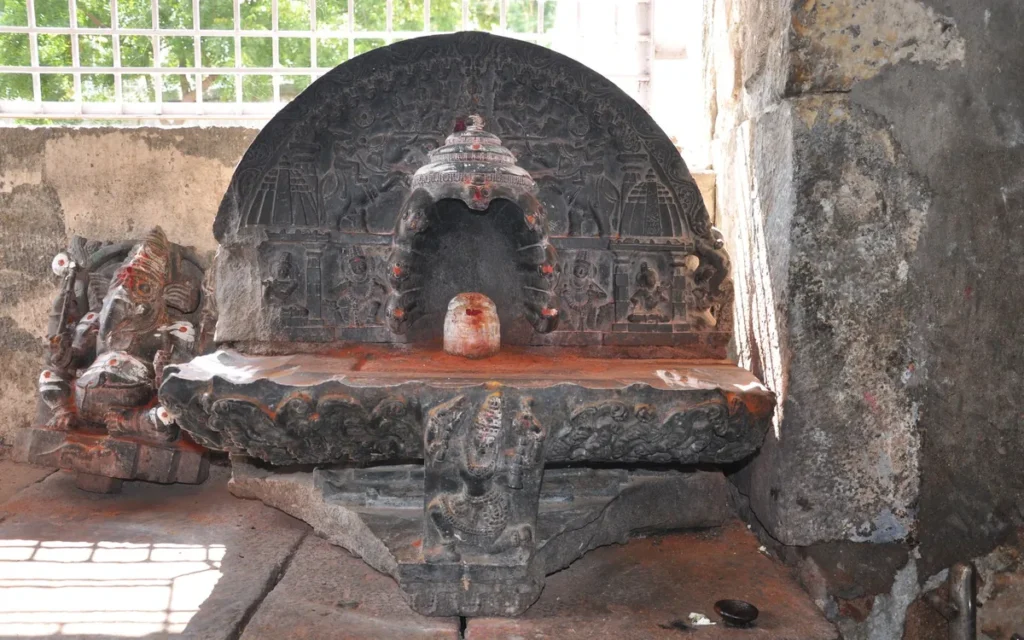
Warangal Fort photo by Torchtelangana, CC BY-SA 4.0, via Wikimedia Commons; cropped and converted to WebP.
Written by Ashvinee Nagle
I travel India slowly and write it down honestly - practical guides and real itineraries from someone who lives here.
About Ashvinee →Plan your India trip with us
Get one short, honest India travel guide a week — plus a free 7-day Rajasthan itinerary to start.
Free. Unsubscribe any time.