
Jharkhand — waterfalls, tribal heartland, and the forested Chotanagpur plateau
Thundering waterfalls and a scenic valley drive, a cool plateau hill station, tiger-reserve forests, and two of India’s great pilgrimages — the Baidyanath Jyotirlinga and the Jain peak of Parasnath. Here’s everything you need to plan it well.
Jharkhand, at a glance
Jharkhand — carved out of Bihar in 2000, and named for its forests — is the green, mineral-rich plateau country of eastern India, and one of the least-touristed states in the land. Its draws are its waterfalls, which tumble off the Chotanagpur plateau around Ranchi; its cool hill station at Netarhat; its sal-forest wildlife in the Palamau and Betla reserves of the west; and its deep tribal culture, from Sohrai wall painting to the masked Chhau dance. Over it all stand two great pilgrimages — the Baidyanath Jyotirlinga at Deoghar, one of the twelve holiest Shiva shrines, and Parasnath (Shikharji), the most sacred Jain tirtha in the world. Ranchi is the hub; distances through the forest are long, so most trips pick a cluster and travel it slowly.
Six places that anchor a Jharkhand trip
Start with Ranchi and its waterfalls, then reach west to the hills and forests or east to the great pilgrim towns as your days allow.
Ranchi — The Capital and City of Waterfalls
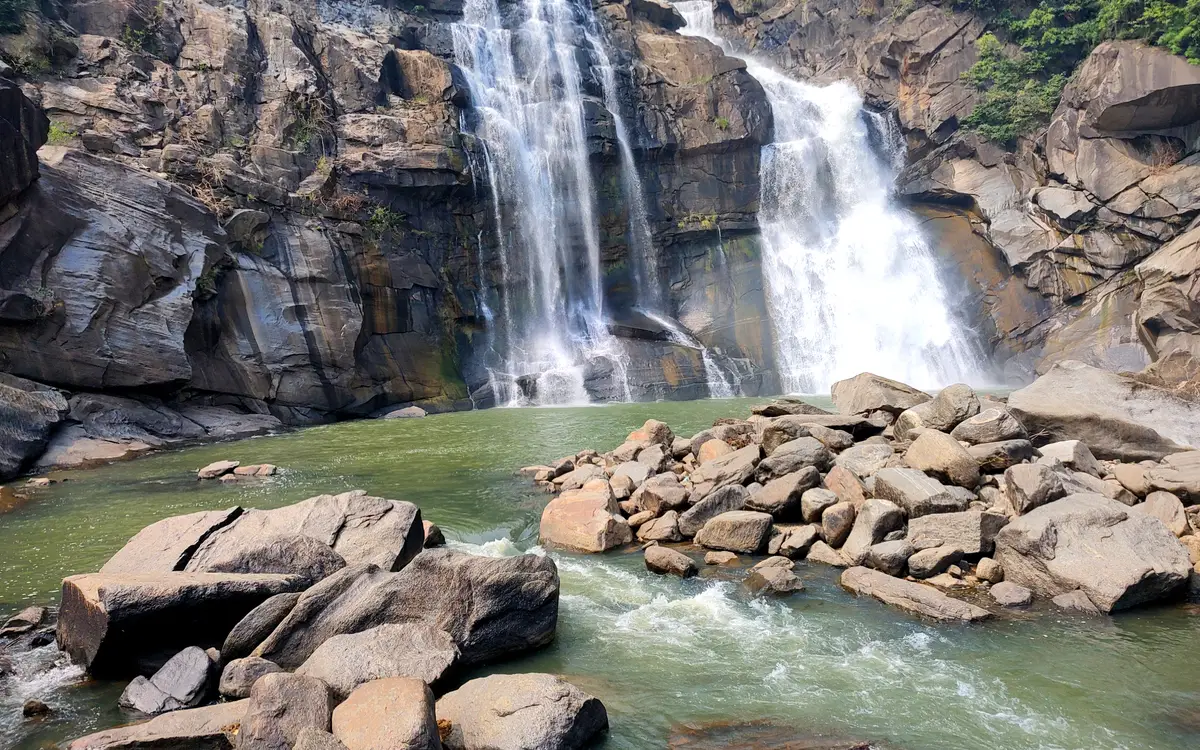
The state capital and gateway, set high on the Chotanagpur plateau and ringed by waterfalls — Hundru, the state’s highest on the Subarnarekha, plus Dassam and Jonha. Add Rock Garden and Tagore Hill in the city, and the famously scenic Patratu Valley an hour away.
Deoghar — The Baidyanath Jyotirlinga
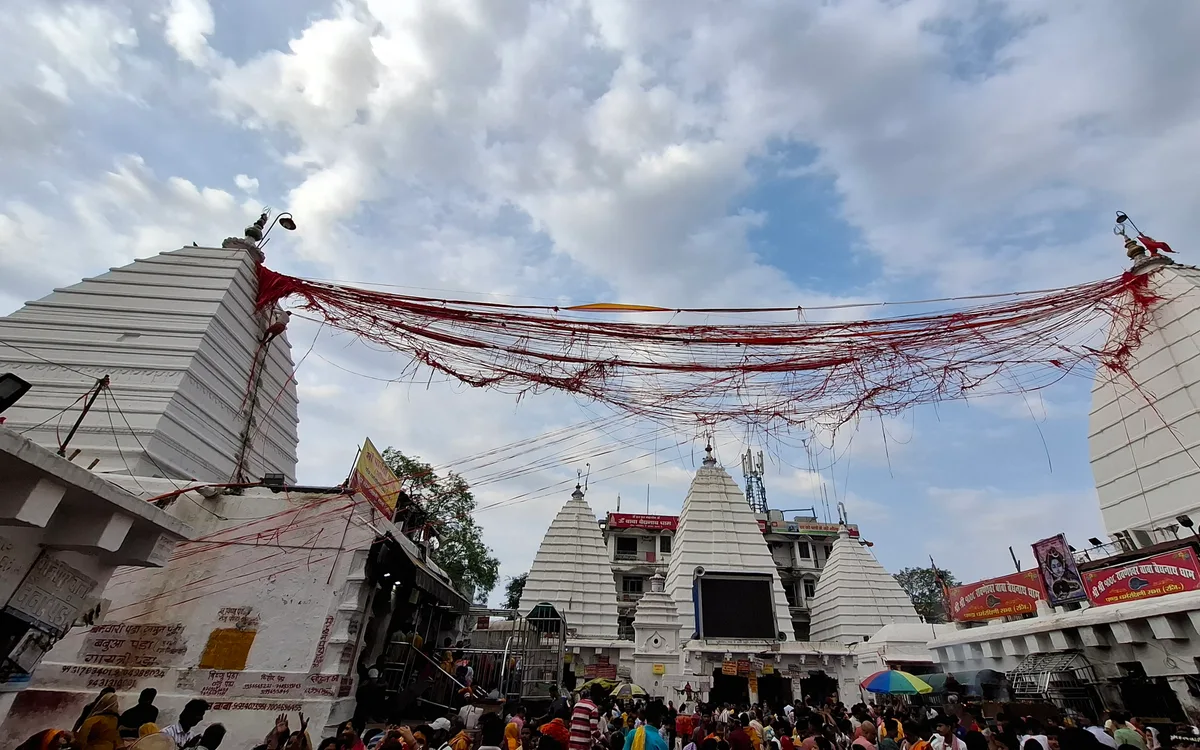
One of the twelve Jyotirlingas of Shiva, Baba Baidyanath Dham is among the holiest shrines in India. During the month of Shravan, millions of saffron-clad kanwariyas walk barefoot over 100 km from Sultanganj to pour Ganga water over the linga.
Netarhat — The Queen of Chotanagpur
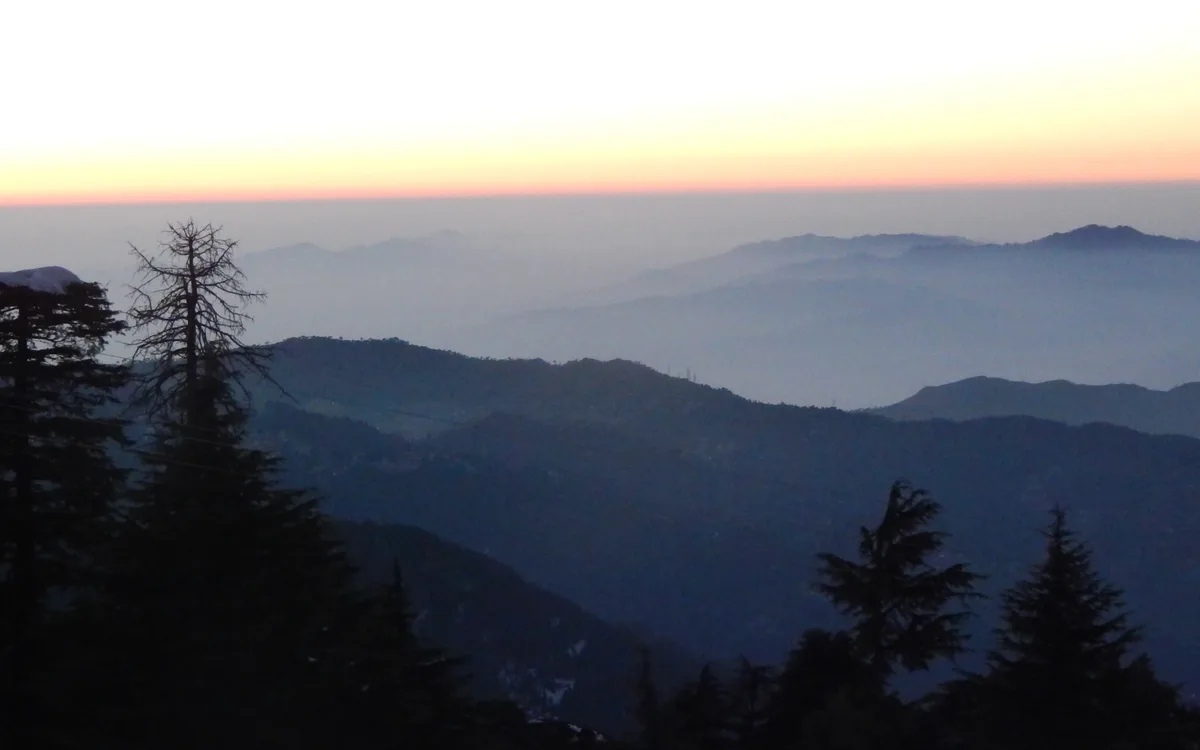
The highest point on the Chotanagpur plateau and the state’s one true hill station — cool, pine-and-sal forested, and famous for its sunrise and sunset points, its old residential school and quiet forest drives.
Betla National Park — Palamau’s Tiger Reserve
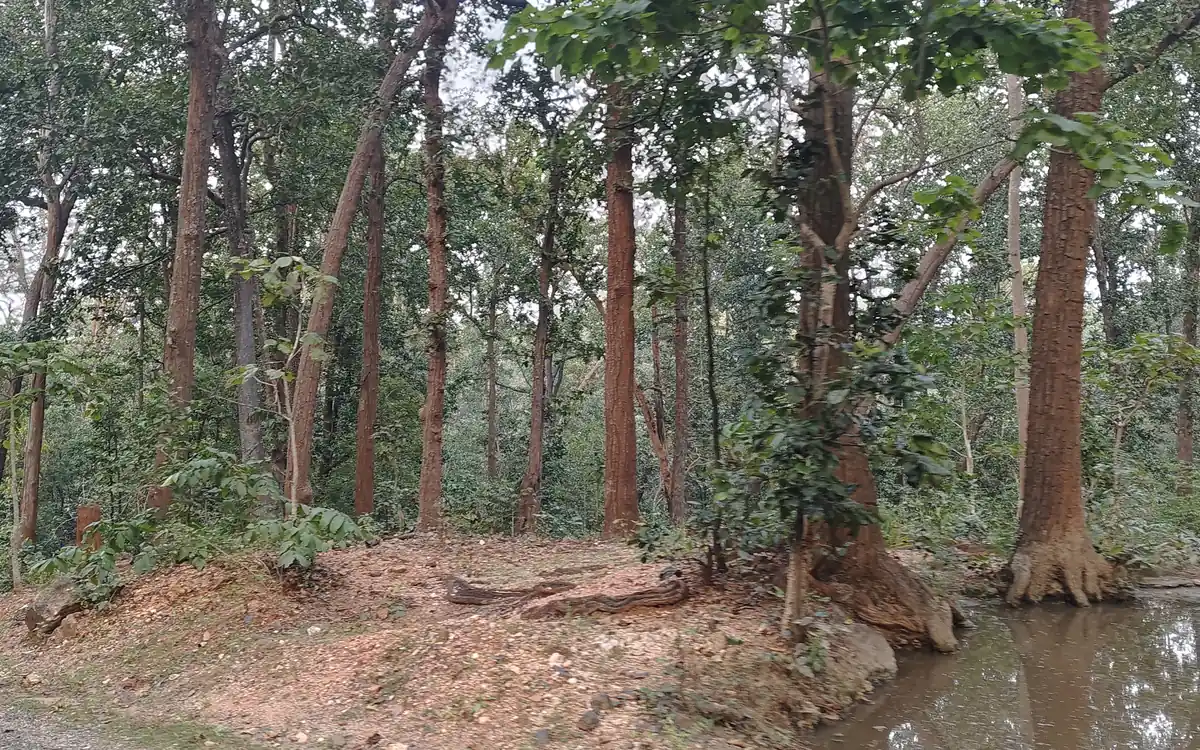
Part of the Palamau Tiger Reserve, one of India’s first, this sal-forest park in the west shelters elephants, deer, leopards and, rarely, tigers, with the old Palamau forts hidden in the jungle. Safaris run in the drier months.
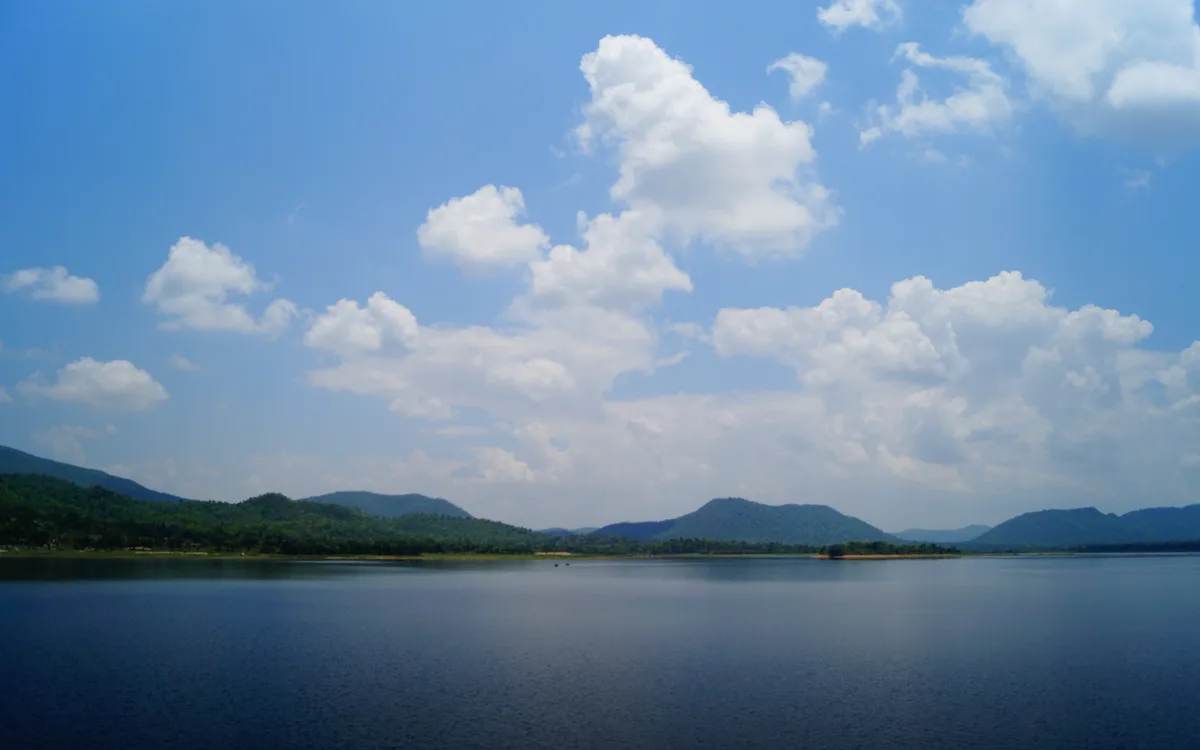
Jamshedpur — India’s First Planned City
India’s first planned industrial city, built by the Tatas around their steel works — leafy and orderly, with the lovely Jubilee Park, the Tata Steel Zoological Park, Dimna Lake and the elephant-rich Dalma Wildlife Sanctuary on its edge.
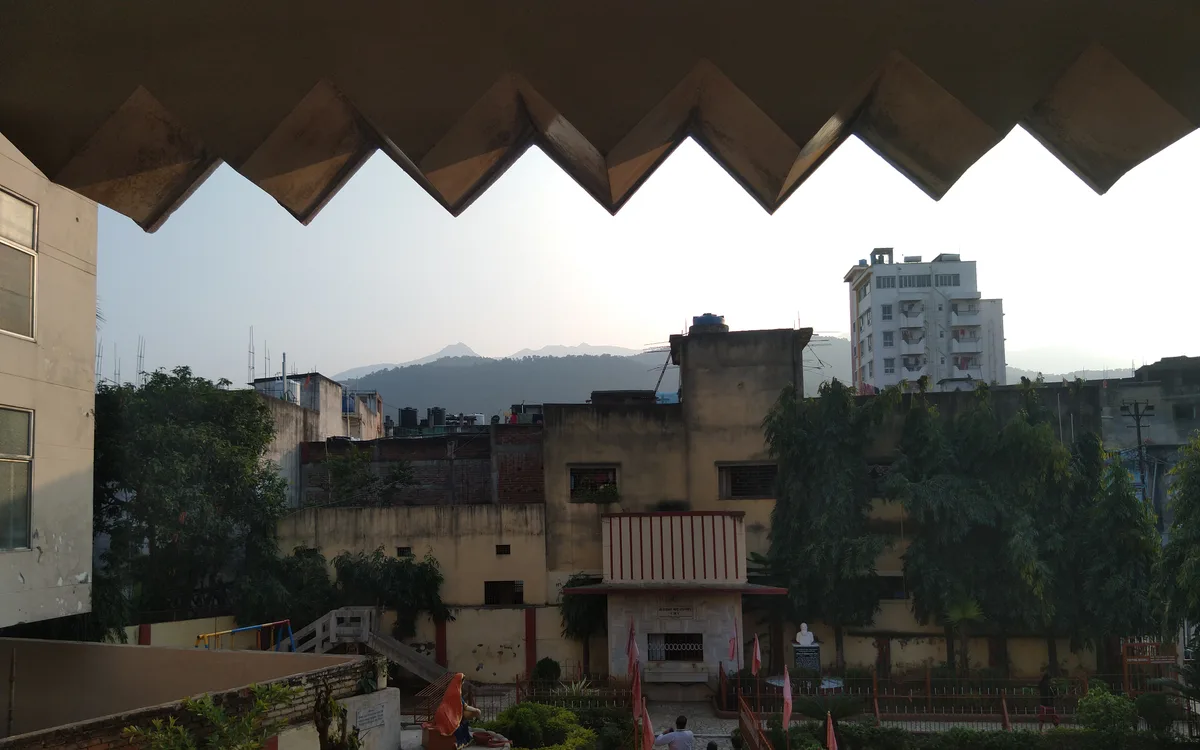
Parasnath (Shikharji) — The Holiest Jain Tirtha
Jharkhand’s highest peak and the holiest Jain pilgrimage in the world: Sammed Shikharji, where twenty of the twenty-four tirthankaras are believed to have attained moksha. A strenuous full-day barefoot circuit of hilltop shrines — also revered by the Santhal as Marang Buru.
Pick the route that fits your dates
Jharkhand works out from Ranchi. Build the trip around the capital and its waterfalls, then add the western forests or the eastern pilgrimages as time allows.
Ranchi & its waterfalls
Ranchi city, the Hundru, Dassam and Jonha falls, and the scenic Patratu Valley ghat road and dam. The essential Jharkhand taster, on the plateau.
Add the western hills & forests
Adds the plateau hill station of Netarhat for its sunrises, and the Betla National Park and Palamau Tiger Reserve for sal-forest wildlife and old jungle forts.
The pilgrimages & the east
Adds the Baidyanath Jyotirlinga at Deoghar and the Jain peak of Parasnath, or the planned city of Jamshedpur with Dimna Lake and the Dalma elephant hills.
Six things worth building the trip around
- Chase the waterfalls around Ranchi — Hundru, Dassam and Jonha are at their thundering best just after the monsoon.
- Drive the Patratu Valley ghat road, switch-backing down to the blue Patratu dam.
- Watch sunrise and sunset from Netarhat’s view points, high on the Chotanagpur plateau.
- Join the saffron tide of kanwariyas at Deoghar during Shravan — or visit Baba Baidyanath in the quiet months.
- See a Chhau dance — Jharkhand’s masked martial dance; Seraikela Chhau is on UNESCO’s list.
- Look for Sohrai and Khovar wall paintings in the tribal villages around Hazaribagh.
Where to stay
Ranchi has the widest range and is the natural central base. Jamshedpur and Deoghar have good hotels; Netarhat and Betla have simpler hotels plus Jharkhand Tourism and forest lodges — book those well ahead, especially in season and around the Shravani Mela at Deoghar.
How to get around
Fly into Ranchi’s Birsa Munda Airport, the main hub, or Deoghar Airport in the east; Ranchi, Tatanagar (Jamshedpur), Dhanbad and Deoghar are on the rail network. Distances through the forested interior are long and roads can be slow, so a hired car with a driver is by far the easiest way to travel.
What to eat
Jharkhand’s food is earthy and tribal-rooted:
- Dhuska
- Litti chokha
- Pittha
- Rugra (wild mushroom)
- Bamboo shoot
- Thekua
- Handia (rice beer)
- Chilka roti
Small things that make a big difference
Do this
- Come October to March; for the waterfalls at full flow, time it for just after the monsoon (Sep–Nov).
- Hire a car with a driver — the sights are spread across forested country with slow roads.
- At Parasnath (Shikharji), respect the sanctity rules: no liquor, no non-vegetarian food, no loud music; it is a strenuous barefoot pilgrimage, not a casual trek.
- Dress modestly at Deoghar, and expect vast crowds if you visit during the Shravani Mela.
Avoid this
- Don’t count on the Trikut ropeway at Deoghar — it has been closed since the 2022 accident; check before you rely on it.
- Don’t visit Deoghar at peak Shravan unless you want the millions-strong crowds — book far ahead if you do.
- Don’t swim beneath the waterfalls in spate; the currents after heavy rain are dangerous.
- Don’t underestimate drive times through the forest belt, and avoid long interior drives after dark.
Common Jharkhand questions
What is the best time to visit Jharkhand?
October to March, when the plateau is cool and the forests are open and comfortable for full-day sightseeing. For the waterfalls at full flow, come just after the monsoon (September to November). Avoid April to June, when it is very hot, and the peak monsoon, when forest roads and falls can be dangerous.
How many days do you need in Jharkhand?
Four days cover Ranchi and its waterfalls, including the Patratu Valley. Six days let you add the western hills and forests — Netarhat and the Betla tiger reserve. Eight days fit in the eastern pilgrimages of Deoghar and Parasnath, or Jamshedpur and the Dalma hills.
What is Jharkhand famous for?
Jharkhand — literally “the land of forests” — is known for its waterfalls, the Chotanagpur plateau, rich tribal culture and wildlife, and two great pilgrimages: the Baidyanath Jyotirlinga at Deoghar and the Jain tirtha of Parasnath (Shikharji), the holiest Jain site in the world.
How do you reach Jharkhand?
Fly into Ranchi’s Birsa Munda Airport, the main hub, or into Deoghar Airport in the east. Jamshedpur (Tatanagar), Dhanbad, Ranchi and Deoghar are all on the railway network. Distances across the forested interior are long and roads can be slow, so a hired car with a driver is the easiest way to get around.
Is Parasnath (Shikharji) worth visiting, and what should you know?
Yes — it is the most sacred Jain pilgrimage in the world, a strenuous full-day barefoot circuit of hilltop temples on Jharkhand’s highest peak. It is a place of worship, not a casual trek: the hill’s sanctity is protected, with restrictions on liquor, non-vegetarian food, loud music and unauthorised camping. The hill is also sacred to the Santhal community as Marang Buru, so visit with respect.
Is Jharkhand safe for tourists?
The main tourist circuits — Ranchi, Deoghar, Netarhat, Jamshedpur and the national parks — are used to visitors and broadly safe. Travel between towns in daylight, use a trusted driver, and stick to established routes; parts of the deep interior are remote, so plan with a local operator for off-the-beaten-track trips.
Plan your Jharkhand trip with Travel India
Whether it’s the waterfalls and the Patratu Valley, the plateau hill station and tiger-reserve forests, or the great pilgrimages of Deoghar and Parasnath, Jharkhand can be planned around your dates and the season.
Image credits
Jhiri Lake, Ranchi (hero) — Aryan Singh, via the Unsplash licence. Hundru Falls — Kingshuk Mondal. Baidyanath temple, Deoghar — Pinakpani. Betla National Park — Dev0745. All CC BY 4.0. Netarhat sunset — Ujjawalagrawal2. Dimna Lake, Jamshedpur — Aratrik Dasgupta. Shikharji — Nizil Shah. All CC BY-SA 4.0. Wikimedia images cropped and converted to WebP; cropped versions released under the same licence.
Written by Ashvinee Nagle
I travel India slowly and write it down honestly - practical guides and real itineraries from someone who lives here.
About Ashvinee →