
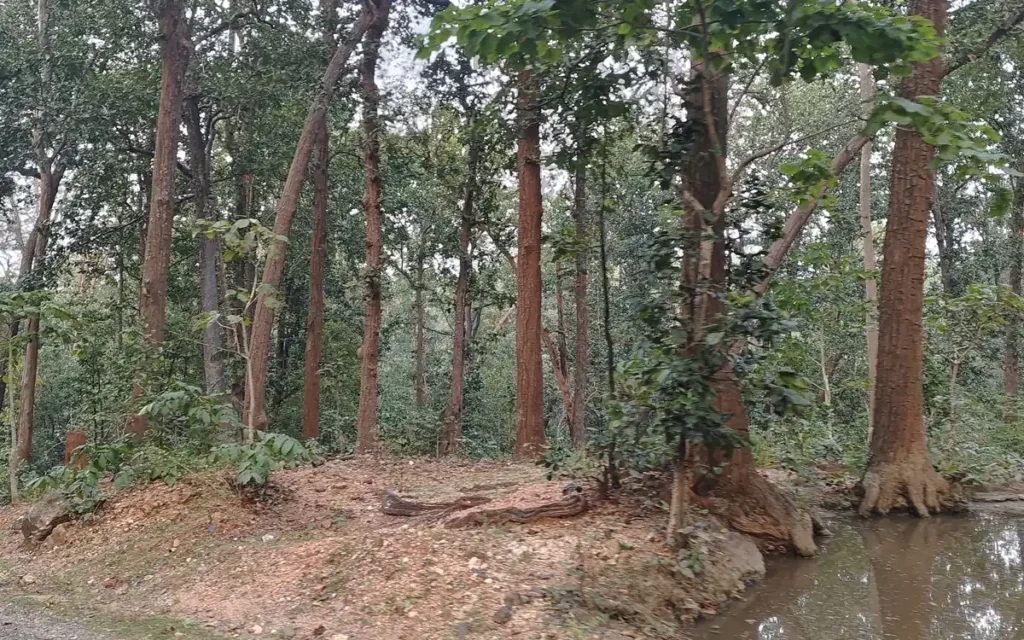
Betla National Park: Palamau’s Sal-Forest Tiger Reserve
A practical guide to Betla National Park — the sal forests and wildlife of the Palamau Tiger Reserve, the old jungle forts, the safaris and season, and how to visit the wild heart of western Jharkhand.
Betla National Park is the wild heart of western Jharkhand — a sweep of sal forest, grassland and plateau that forms the core of the Palamau Tiger Reserve, one of the first tiger reserves created under Project Tiger in 1973. (It was here, in the Palamau forests, that the world’s first tiger census by pugmark count was attempted back in the 1930s.) Tigers are few and elusive now, but Betla rewards you with elephants, gaur, deer and the atmosphere of a deep, little-visited jungle, complete with two old forts hidden in the trees. It is the natural wildlife leg of a Jharkhand trip, paired with Netarhat.
Betla National Park, in Latehar/Palamau district of western Jharkhand, is the core of the Palamau Tiger Reserve — one of India’s original 1973 tiger reserves. Its sal forests hold elephants, gaur, deer, leopards and (rarely) tigers, plus the atmospheric old Palamau forts. Jeep safaris run in the drier months (roughly November to April; the park closes in part of the monsoon). It’s about 25 km from Daltonganj and pairs with Netarhat on a Jharkhand trip.
Why visit Betla
Three reasons Betla is worth the drive into western Jharkhand.
A historic tiger reserve
Palamau was one of the first nine reserves under Project Tiger, and a pioneer of tiger censusing. Even with few tigers today, there is real weight to visiting one of the birthplaces of Indian tiger conservation.
Elephants and deep sal forest
Betla is best for elephants, gaur, sambar, chital and the sheer atmosphere of a quiet, little-visited jungle — a wilder, emptier safari experience than the big-name parks.
Forts in the jungle
The old Palamau (Chero) forts stand half-swallowed by forest inside the reserve — a rare combination of wildlife and ruined history that few Indian parks can match.
When to go
Betla follows the rhythm of a forest reserve, so timing is about the safari season and the heat.
November to April (the season): the reliable window — pleasant weather, open safaris and better sightings as the forest dries and animals gather at water.
April to mid-June (hot but good for wildlife): fierce heat, but thinning cover and shrinking waterholes can mean the best sightings for those who can handle it.
Monsoon (roughly July to October): the park core typically closes for the rains and breeding season; check current dates before planning a visit then.
Things to do at Betla
The jeep safari is the heart of it; the forts, the waterhole and the nearby falls round out a day or two.
Jeep safari
The core experience is a jeep safari through the sal forest and grassland, looking for elephants, gaur, deer, wild boar and, with luck, a leopard or tiger. Book through the forest department/safari gate; early morning is best.
Palamau Forts
Two old Chero-dynasty forts — the lower (New) and hilltop (Old) Palamau forts — stand within the reserve, their gateways and walls draped in jungle. A evocative add to a safari or a forest drive.
Waterholes & hides
Machans (watchtowers) and waterholes within the park are good for patient wildlife watching, especially in the dry months when animals come to drink.
Lodh Falls & Netarhat
Lodh Falls, the highest in Jharkhand (about 143 m, near Mahuadanr), and the Netarhat hill station lie within a few hours — the natural pairings for a western-Jharkhand loop.
Daltonganj (Medininagar)
The regional town of Daltonganj, about 25 km away, is the gateway, railhead and place to stock up before heading into the reserve.
What to eat
Food is basic and limited around the park — eat at your lodge and stock up in Daltonganj.
Lodge & dhaba meals
Simple North Indian meals at the forest lodges, Van Vihar and dhabas are the main option; there’s little choice inside the reserve, so expect basic, hearty food.
Litti & dhuska
In Daltonganj you’ll find Jharkhand staples like litti chokha and dhuska at local eateries — the tastiest cheap eats in the area.
Supplies & water
Carry water, snacks and any essentials from Daltonganj before entering the reserve — options near the gate are minimal.
Pre-book safaris
Safari permits and jeeps are limited and best arranged in advance through the forest department or your lodge, especially at weekends.
Where to stay
Stays are simple — forest lodges and a tourism property near the park, more hotels in Daltonganj.
Forest lodges & Van Vihar
The forest rest houses, the Van Vihar and a Jharkhand Tourism property near the Betla gate are the most atmospheric bases, letting you start safaris early. Basic but well placed; book ahead.
Daltonganj hotels
Daltonganj (Medininagar) has simple hotels and the railhead, a practical alternative base with more choice than the park gate.
Getting there and around
From Ranchi: Betla is about 170 km north-west, roughly 4–5 hours by road. Ranchi’s Birsa Munda Airport is the nearest airport.
By rail: Daltonganj (Medininagar), about 25 km away, is the nearest railhead, with onward taxis to the park.
Getting around: inside the reserve you travel by permitted jeep safari; to reach Betla, the forts, Lodh Falls and Netarhat you’ll want a hired car with a driver.
Betla and Netarhat (about 100 km apart) make the classic western-Jharkhand loop — forest and hill station together, usually over two or three days from Ranchi with a hired car.
A 2-day plan
Two days let you do a morning and an evening safari, the forts, and a nearby waterfall.
Arrive & evening safari
Drive in from Ranchi or Daltonganj, settle at a forest lodge near the gate, and take an evening jeep safari into the sal forest. Stock up on supplies in Daltonganj on the way.
Morning safari, forts & falls
Do an early morning safari for the best sightings, visit the Palamau forts, and, with time, drive to Lodh Falls or on toward Netarhat.
Practical tips that actually help
Come for elephants, not guaranteed tigers
Tigers are few and elusive at Betla. Set expectations on elephants, gaur, deer and the forest itself, and any big cat is a bonus.
Pre-book safaris
Permits and jeeps are limited. Arrange your safari in advance through the forest department or your lodge, especially on weekends.
Take the first safari
Early-morning drives give the best light and sightings before the forest goes quiet in the heat of the day.
Check the season
The park core closes for part of the monsoon. November to April is the reliable window — confirm current dates before you travel.
Stock up in Daltonganj
Food, water and supplies near the gate are minimal. Buy what you need in Daltonganj before heading in.
Pair it with Netarhat
Hire a car for the western loop so you can combine Betla’s forest with Netarhat’s hill station and Lodh Falls.
Mistakes first-time visitors make
- Coming expecting a guaranteed tiger. Betla’s tigers are very few. Judge the trip on elephants, deer and the wild forest, not a big-cat tick.
- Turning up without a safari booking. Permits and jeeps are limited. Arrange them ahead, or you may not get a drive, especially at weekends.
- Visiting in the closed monsoon months. The core shuts for part of the rains. Check the season and aim for November–April.
- Doing Betla without Netarhat. They’re the natural western pair, about 100 km apart. A long drive out for just one wastes the trip.
Planning Betla into a Jharkhand trip?
Betla and Netarhat make the classic western-Jharkhand loop. Tell me your dates and I’ll build it into a plateau route from Ranchi.
Betla FAQs
What is Betla National Park famous for?
Betla, in western Jharkhand, is the core of the Palamau Tiger Reserve — one of India’s first reserves under Project Tiger (1973) and a pioneer of tiger censusing. It’s known for its sal forests, elephants, gaur and deer, and the old Palamau forts hidden in the jungle.
What animals can you see at Betla?
Betla is best for elephants, gaur (Indian bison), sambar, chital and wild boar, with leopards and the occasional elusive tiger. Birdlife is rich too. Tigers are few, so sightings are a bonus rather than the point.
What is the best time to visit Betla?
November to April, when the weather is pleasant and safaris run reliably; the late dry season (up to mid-June) can give the best sightings for those who can bear the heat. The park core typically closes for part of the monsoon, so check dates.
How do you reach Betla National Park?
Betla is about 170 km (4–5 hours) from Ranchi by road; Ranchi’s Birsa Munda Airport is the nearest airport. The nearest railhead is Daltonganj (Medininagar), about 25 km away, with taxis onward to the park.
Do you need to book safaris at Betla in advance?
Yes — safari permits and jeeps are limited and best arranged in advance through the forest department or your lodge, particularly on weekends and in peak season.
Can you combine Betla with Netarhat?
Yes. Betla and the Netarhat hill station are about 100 km apart and make the classic western-Jharkhand loop, usually done over two or three days with a hired car, often adding Lodh Falls in between.
Related guides
Keep planning your Jharkhand trip with these:
Jharkhand Travel Guide
Waterfalls, the plateau hill station, tiger-reserve forests and the great pilgrimages — how to put a Jharkhand trip together.
Netarhat
The Queen of Chotanagpur — the plateau’s cool hill station of sunrises and pine forest, Betla’s natural pairing.
Betla National Park photo by Dev0745, CC BY 4.0, via Wikimedia Commons; cropped and converted to WebP.
Written by Ashvinee Nagle
I travel India slowly and write it down honestly - practical guides and real itineraries from someone who lives here.
About Ashvinee →Plan your India trip with us
Get one short, honest India travel guide a week — plus a free 7-day Rajasthan itinerary to start.
Free. Unsubscribe any time.