
Haryana — the Mahabharata heartland, historic battlefields and Mughal gardens
The land where the Gita was spoken and the battles of Panipat were fought, with Mughal water-gardens, a Shivalik hill station, winter birding wetlands and one of the world’s great crafts fairs — all wrapped around Delhi. Here’s everything you need to plan it well.
Haryana, at a glance
Haryana wraps around Delhi on three sides, and for all its prosperous farms and booming satellite cities it sits on some of the oldest and most consequential ground in India. This is the land of the Mahabharata — Kurukshetra, where Krishna is believed to have delivered the Bhagavad Gita — and of the three battles of Panipat that decided the fate of empires. It also holds the elegant Mughal water-garden at Pinjore, the state’s only hill station in the Morni hills, the winter birding wetland of Sultanpur near Gurugram, and Surajkund, home to one of the world’s largest crafts fairs. Most of Haryana is explored as day trips and short trips from Delhi or Chandigarh rather than one long circuit, and its fast highways make that easy.
Six places that anchor a Haryana trip
Start with the Mahabharata corridor of Kurukshetra and Panipat, then reach north to the Mughal gardens and hills or south to the birding wetlands and crafts fair near Delhi.
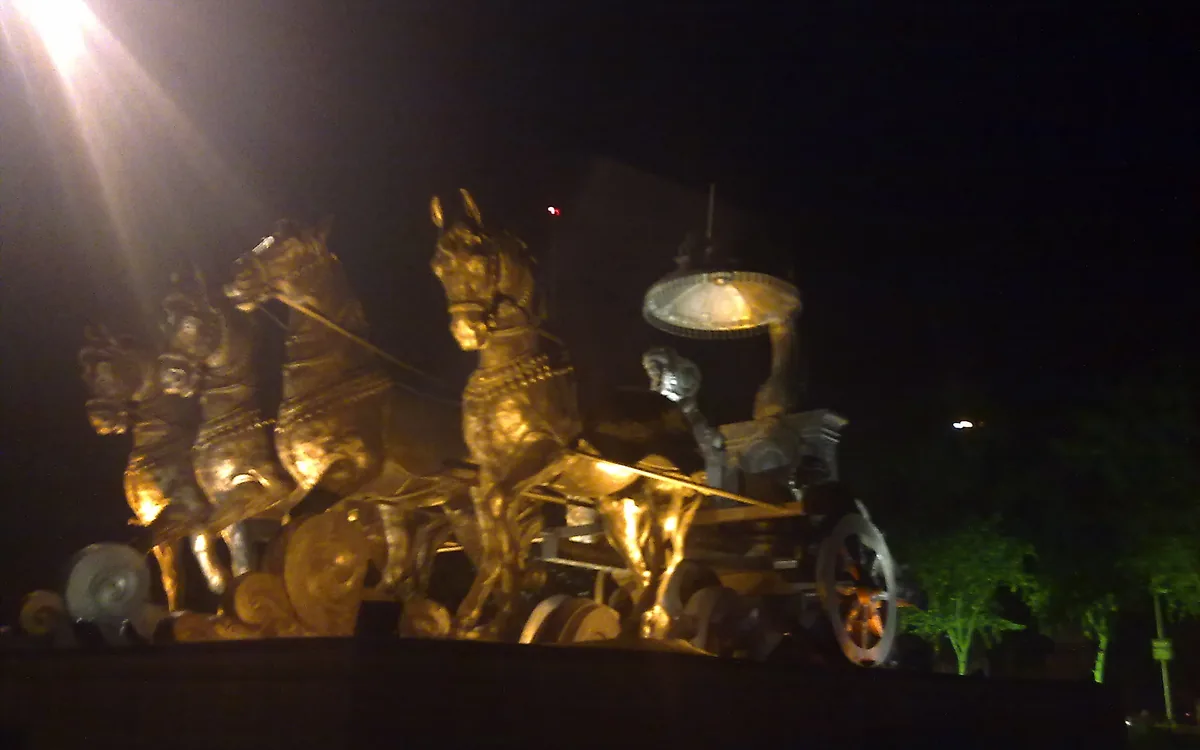
Kurukshetra — The Land of the Gita
The land of the Mahabharata, where Krishna is believed to have delivered the Bhagavad Gita to Arjuna. The vast Brahma Sarovar and Sannihit Sarovar tanks, the Gita-birthplace shrine at Jyotisar, the Krishna Museum and the grand International Gita Mahotsav make it Haryana’s spiritual and historical heart.
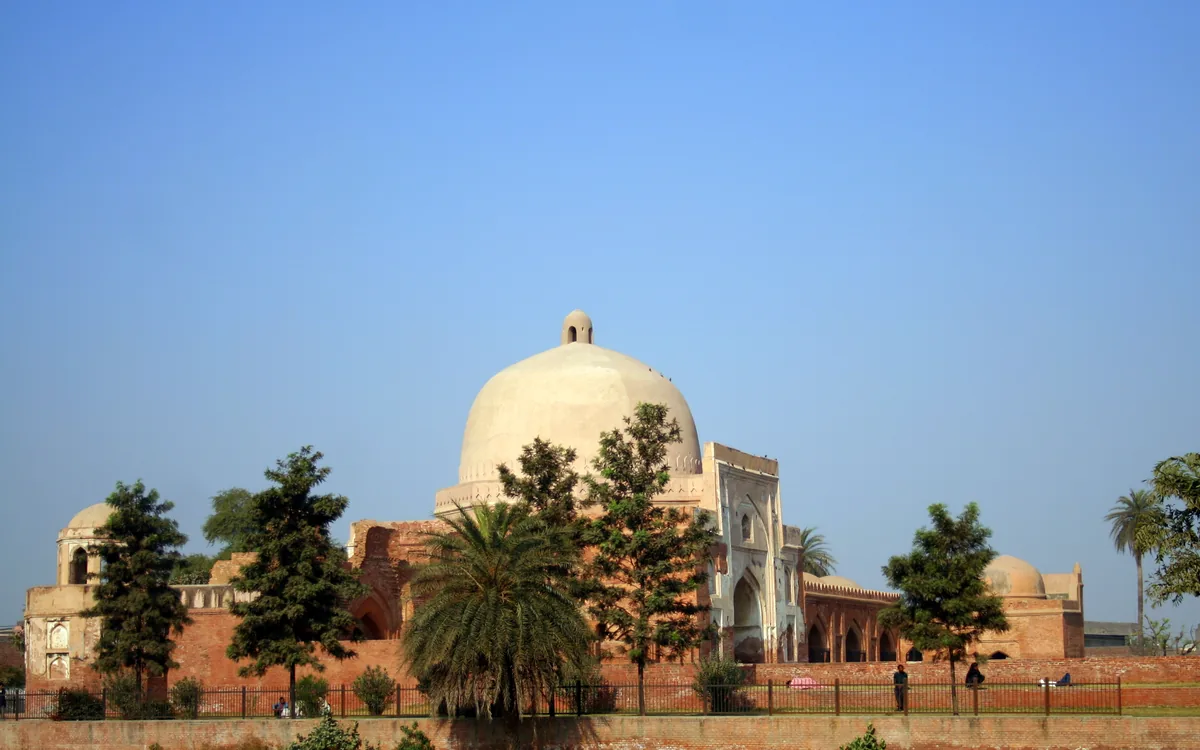
Panipat — The Three Battles
The town where India’s fate turned three times — the battles of 1526, 1556 and 1761 that shaped Mughal and Maratha history. See Babur’s Kabuli Bagh Mosque, the Kaala Amb memorial and the Panipat Museum, in a city now famous for its handloom weaving.
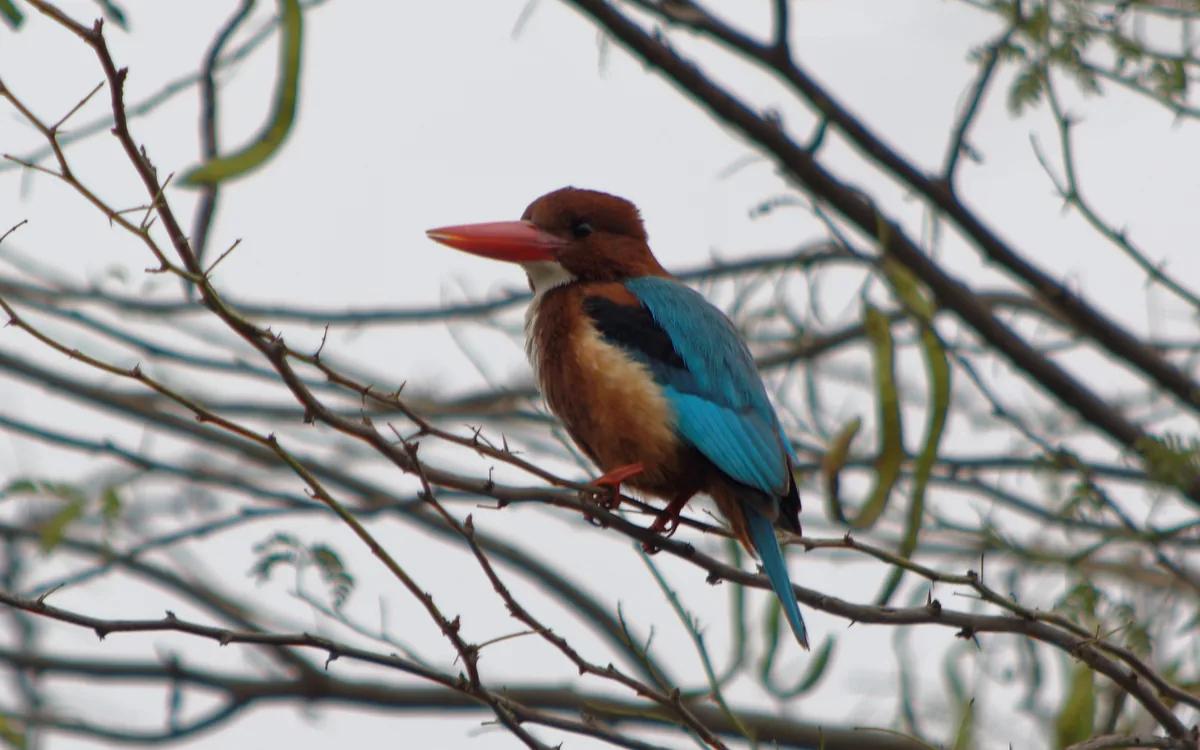
Sultanpur National Park — Birds Near Delhi
A compact wetland national park near Gurugram and a Ramsar site, Sultanpur is one of the best winter birdwatching spots near Delhi — home to hundreds of resident and migratory species from November to March.
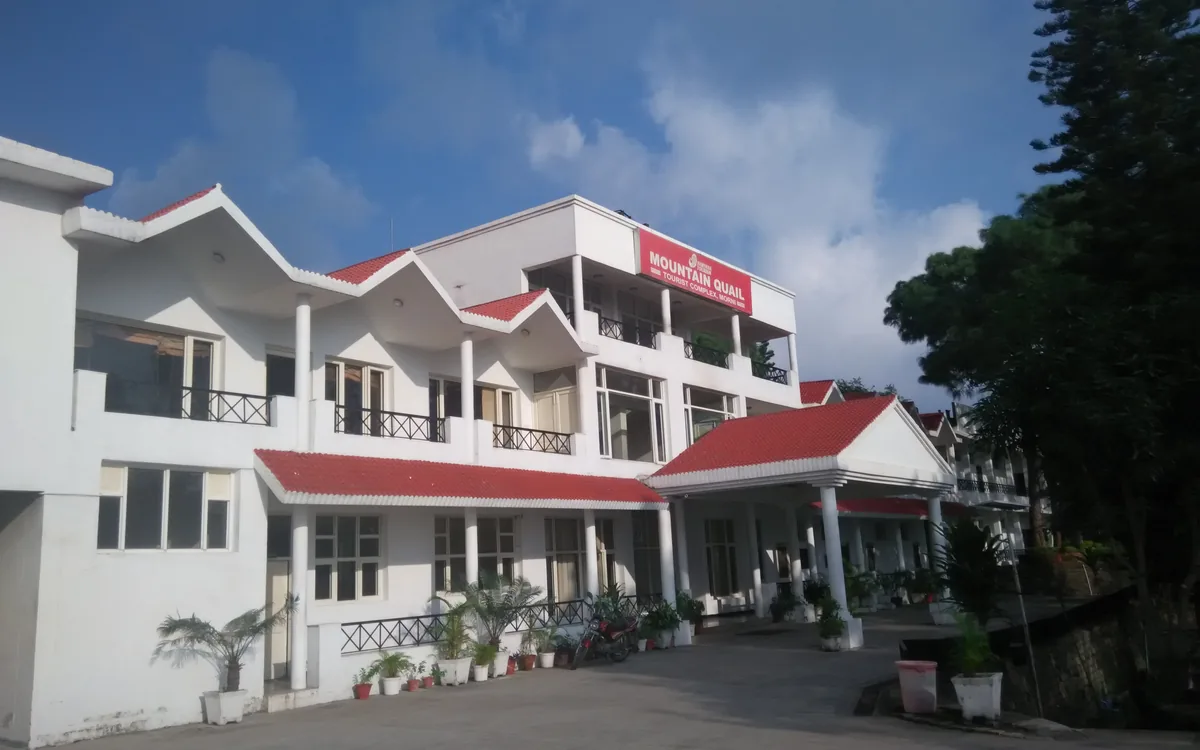
Morni Hills — Haryana’s Only Hill Station
Haryana’s only hill station, in the Shivalik foothills near Panchkula, with cool forested slopes, the twin Tikkar Taal lakes for boating, and gentle treks — an easy highland escape beside Chandigarh.
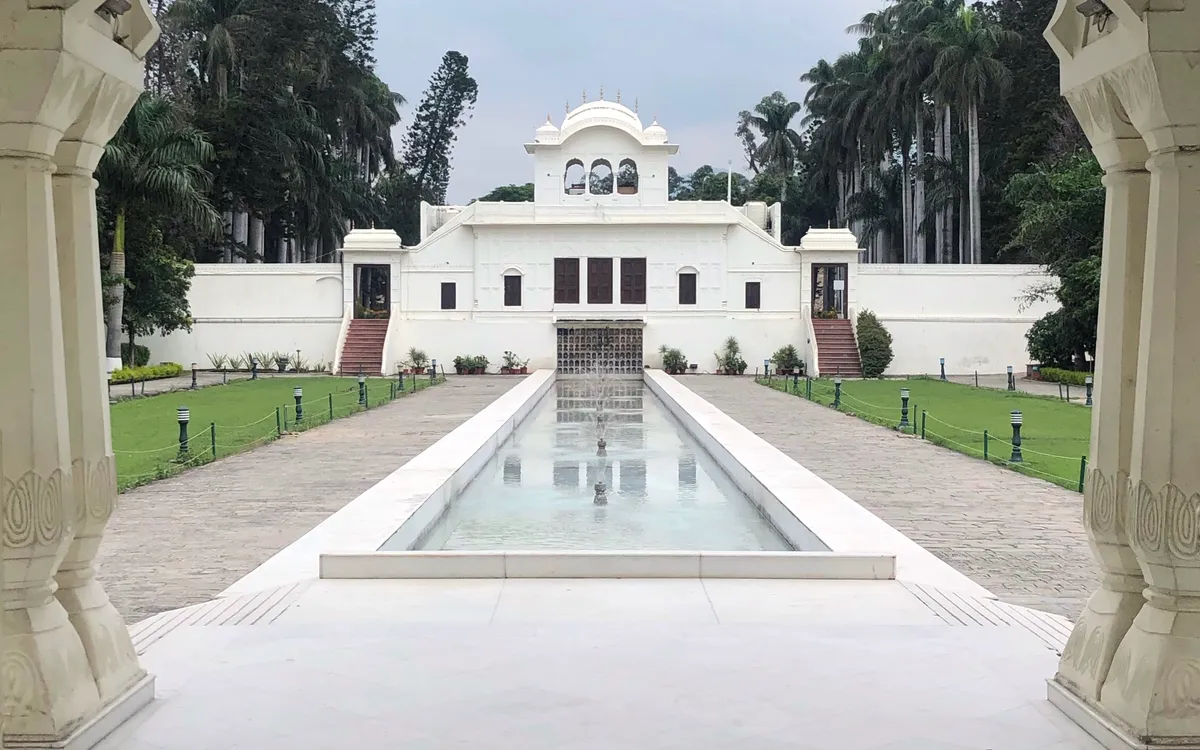
Pinjore Gardens — A Mughal Masterpiece
The exquisite 17th-century Mughal garden (Yadavindra Gardens) near Kalka, with seven descending terraces of fountains, water channels, lotus pools and pavilions — beautifully lit in the evenings.
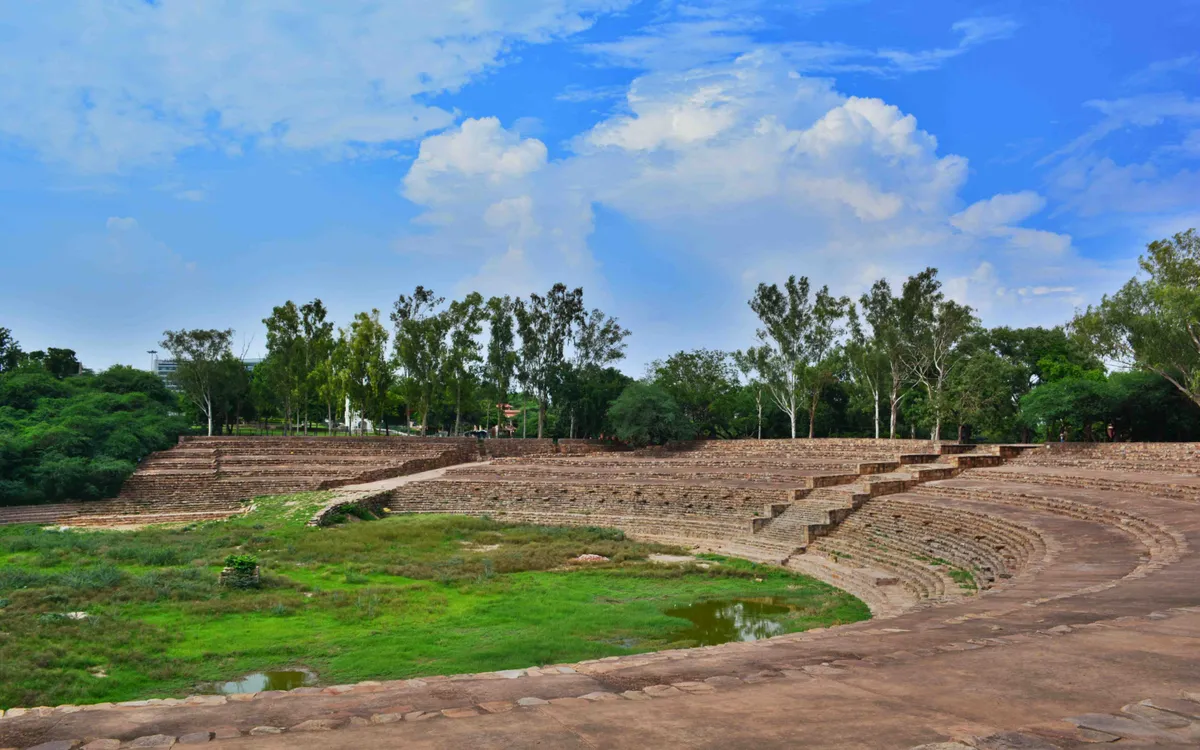
Surajkund — The Crafts Mela & Reservoir
A 10th-century stepped reservoir on Delhi’s edge near Faridabad, best known for the Surajkund International Crafts Mela each February — one of the largest crafts fairs in the world, gathering artisans and folk performers from across India and beyond.
Pick the route that fits your dates
Haryana works best as focused trips from Delhi or Chandigarh. Build around the Mahabharata corridor, then add the northern hills or the NCR edge as time allows.
The Mahabharata corridor
Panipat’s battlefields and museum, then up NH44 to Kurukshetra for Brahma Sarovar, Jyotisar and the Krishna Museum. The essential history-and-Gita taster.
Add the northern hills
Adds the seven-terraced Mughal gardens at Pinjore and the Morni hills with Tikkar Taal, near Panchkula and Chandigarh at the state’s cool northern edge.
The NCR edge too
Adds winter birding at Sultanpur National Park near Gurugram and the historic Surajkund reservoir and crafts fair near Faridabad, rounding out the state around Delhi.
Six things worth building the trip around
- Stand at Jyotisar, the spot where Krishna is said to have delivered the Bhagavad Gita to Arjuna.
- See Brahma Sarovar glow with thousands of lamps during the International Gita Mahotsav (Nov–Dec).
- Walk the battlefields of Panipat, where the course of Indian history turned in 1526, 1556 and 1761.
- Birdwatch at dawn at Sultanpur in winter, when migratory flocks fill the wetland.
- Browse the Surajkund International Crafts Mela each February — folk art, crafts and food from across India.
- Wander the seven lamplit terraces of the Mughal gardens at Pinjore.
Where to stay
Most visitors base in Delhi or Gurugram, or in Chandigarh and Panchkula for the north, and day-trip into Haryana. Kurukshetra and Panipat have comfortable hotels and Haryana Tourism properties; Morni has simple hotels and a tourism resort; Sultanpur has a tourism complex at the gate. Book ahead around the Gita Mahotsav and the Surajkund Mela.
How to get around
Haryana surrounds Delhi, so fly into Delhi’s IGI Airport (or Chandigarh for the north). Fast highways — above all NH44, the Delhi–Chandigarh corridor through Panipat and Kurukshetra — and frequent trains to Panipat, Kurukshetra and Ambala make it very easy; a hired car is best for Sultanpur, Morni and Pinjore. Haryana Tourism’s bird-named highway complexes are a handy institution for a break.
What to eat
Haryanvi food is hearty, rustic and dairy-rich:
- Bajra & makki roti
- Sarson ka saag
- Kadhi pakora
- Bajra khichdi
- Churma
- Singri ki sabzi
- Lassi & ghee
- Kheer
Small things that make a big difference
Do this
- Come October to March; winter is best for Sultanpur’s migratory birds and comfortable sightseeing.
- Time a visit for the International Gita Mahotsav at Kurukshetra (Nov–Dec) or the Surajkund Crafts Mela (February) if you can.
- Treat Haryana as day trips and short trips from Delhi or Chandigarh — the sights ring the state’s edges.
- Carry binoculars for Sultanpur and go at first light for the best birding.
Avoid this
- Don’t expect one long tourist circuit — Haryana rewards focused day trips, not a single loop.
- Don’t visit Sultanpur in summer; the migratory birds are gone and it’s very hot.
- Don’t expect quiet at Brahma Sarovar during the Gita Mahotsav or a solar eclipse — it draws huge crowds.
- Don’t underestimate Delhi/NCR traffic when timing your day trips.
Common Haryana questions
What is the best time to visit Haryana?
October to March, when the weather is pleasant for sightseeing across the state. Winter (November to February) is also the time for Sultanpur’s migratory birds, for the International Gita Mahotsav at Kurukshetra (November–December) and, in February, for the Surajkund Crafts Mela. Avoid the fierce April–June heat.
How many days do you need in Haryana?
Most of Haryana is seen on day trips and short trips rather than one long loop. Three days cover the Mahabharata corridor of Panipat and Kurukshetra; five days add the Mughal gardens at Pinjore and the Morni hills near Chandigarh; seven days fold in Sultanpur’s birding and Surajkund on Delhi’s edge.
What is Haryana famous for?
Haryana is famous as the land of the Mahabharata — Kurukshetra, where the Bhagavad Gita was spoken — and for the three decisive battles of Panipat. It’s also known for the Mughal gardens at Pinjore, winter birdwatching at Sultanpur, its dairy-rich Haryanvi food, and as the prosperous farming state that wraps around Delhi.
How do you reach Haryana?
Haryana surrounds Delhi on three sides, so Delhi’s Indira Gandhi International Airport is the main gateway, with Chandigarh serving the north. Fast highways (notably NH44, the Delhi–Chandigarh corridor through Panipat and Kurukshetra) and frequent trains to Panipat, Kurukshetra and Ambala make the state very easy to reach; a car is best for Sultanpur, Morni and Pinjore.
Where was the Bhagavad Gita spoken?
By tradition, at Jyotisar in Kurukshetra — the spot where Krishna is believed to have delivered the Bhagavad Gita to Arjuna on the eve of the Mahabharata war. A banyan tree and a lakeside complex mark the site, which is central to the Gita Mahotsav celebrations.
Is Haryana good for day trips from Delhi?
Very much so. Sultanpur National Park (winter birding), Surajkund, the Pinjore gardens and even Kurukshetra and Panipat are all easy day or short trips from Delhi or Chandigarh, thanks to Haryana’s excellent roads and its position wrapped around the capital.
Plan your Haryana trip with Travel India
Whether it’s the Gita land of Kurukshetra and the battlefields of Panipat, the Mughal gardens and Morni hills, or winter birding and the Surajkund Mela near Delhi, Haryana can be planned around your dates and the season.
Image credits
Brahma Sarovar, Kurukshetra (hero) — Ashish Bhatnagar. Krishna Chariot, Kurukshetra — Gagan.leonidas. Kabuli Bagh Mosque, Panipat — Ramesh Lalwani. Morni Hills & Tikkar Taal — Manojkhurana. All CC BY-SA 3.0. White-throated Kingfisher, Sultanpur — Slyronit. Pinjore Gardens — Unpetitprole. Suraj Kund — Anupamg. All CC BY-SA 4.0. All via Wikimedia Commons, cropped and converted to WebP; cropped versions released under the same licence.
Written by Ashvinee Nagle
I travel India slowly and write it down honestly - practical guides and real itineraries from someone who lives here.
About Ashvinee →