
Nagarjuna Sagar: A Giant Dam and an Island of Buddhist Relics
A practical guide to Nagarjuna Sagar — one of the world’s largest masonry dams on the Krishna, the boat across the reservoir to the Buddhist relics of Nagarjunakonda, the Ethipothala waterfall, and how to visit from Hyderabad.
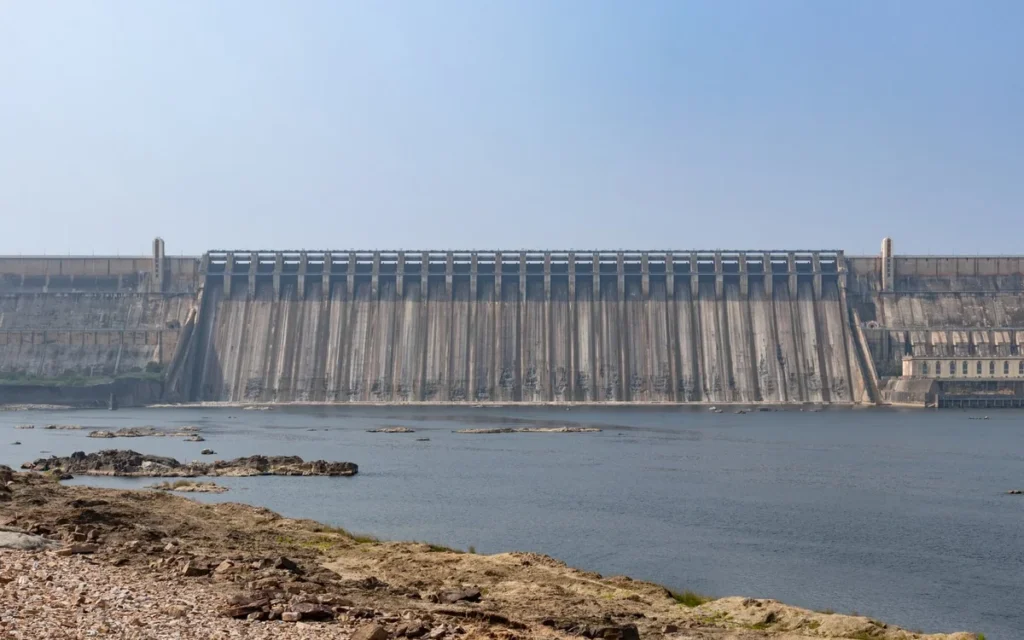
Nagarjuna Sagar is where modern engineering and ancient history meet in the same valley. On the Krishna river about 150 km from Hyderabad, it is one of the largest masonry dams in the world, built in the 1950s and 60s as a symbol of newly independent India’s ambition, its long line of crest gates holding back a vast reservoir. Beneath that reservoir lay Nagarjunakonda, one of the greatest Buddhist sites in the south — and before the valley was flooded, its stupas, monasteries and sculpture were painstakingly excavated and moved to an island museum, which you reach by boat across the lake. It is an unusual, quietly compelling stop: a monument to the future built over a monument to the past.
Nagarjuna Sagar, about 150 km from Hyderabad on the Krishna, is one of the world’s largest masonry dams and the site of the Buddhist relics of Nagarjunakonda — stupas, sculpture and monastery remains moved to an island museum reached by boat before the valley was flooded. The nearby Ethipothala waterfall and the surrounding tiger-reserve country round out a day or two. It’s a longer add to a Hyderabad-based Telangana trip. October to February is the season.
Why visit Nagarjuna Sagar
Three reasons Nagarjuna Sagar is worth the drive — and one honest note on the boat.
A dam on a colossal scale
Built across the Krishna in the first decades after independence, Nagarjuna Sagar is one of the largest masonry dams in the world, and the sight of its long wall of crest gates — especially when they’re open after the monsoon — is genuinely impressive.
Buddhist relics saved from the flood
Nagarjunakonda was a major Buddhist centre under the Ikshvaku dynasty nearly two thousand years ago. Its monuments were excavated and reassembled on an island museum before the reservoir drowned the valley — a rare and moving piece of heritage rescue you reach by boat.
A scenic, uncrowded detour
Between the dam, the lake, the Ethipothala waterfall and the surrounding hills and tiger-reserve country, it’s a quiet, scenic change of pace from the cities and temples — few foreign visitors make it out here.
When to go
The season is about the heat and, for the dam at its most dramatic, the water level.
October to February (the season): pleasant and dry, comfortable for the dam, the boat and the waterfall. The reservoir is usually high after the monsoon. The best window.
August to October (gates open): after a good monsoon the dam’s crest gates may be opened and the overflow is spectacular — check before you go, as it depends on the rains and the water level.
March to June (hot): fierce Deccan heat and lower water. Manageable early in the day, but hard going by midday and less scenic when the reservoir is low.
Things to do at Nagarjuna Sagar
The dam, the island museum and the waterfall are the three pieces. The boat to Nagarjunakonda runs on a schedule, so plan the day around it.
The dam & reservoir
The great masonry dam wall with its line of crest gates, and the vast Nagarjuna Sagar reservoir behind it. There are viewpoints along and near the dam; the scene is at its most dramatic when the gates are open after a good monsoon.
Nagarjunakonda island museum
A boat crosses the reservoir to the island where the excavated Buddhist stupas, monastery remains and sculpture of ancient Nagarjunakonda are displayed — saved and reassembled before the valley was flooded. The boat runs on set timings, so check them and build the day around them.
Ethipothala Falls
About 11 km from the dam, the Ethipothala waterfall drops around 20 metres into a lagoon — a scenic, easy stop, at its fullest in and just after the monsoon.
Anupu & the amphitheatre
At Anupu, near the boat point, an ancient Buddhist amphitheatre and monastery remains were relocated from the flooded valley and reassembled on the shore — an easy add for anyone interested in the Nagarjunakonda story.
The tiger-reserve landscape
Nagarjuna Sagar sits on the edge of the vast Nagarjunasagar–Srisailam tiger reserve, and the surrounding hills and forest give the area a wild, remote feel beyond the dam and the relics.
Time it with the boat
The island museum is only reachable by the scheduled boat, which can be affected by water levels and season. Confirm the timings and that it’s running before you set out, and plan the dam and waterfall around it.
What to eat
Food here is simple — government lodges and a few local eateries around the dam.
Lodge restaurants
The government (Haritha / APTDC-style) and private lodges around the dam have simple restaurants doing thalis and South Indian food — the most reliable option on site.
Town eateries
The small towns around the dam have basic restaurants and tiffin centres for cheap thalis, biryani and snacks — fine for a quick meal between sights.
Highway dhabas
Dhabas along the route from Hyderabad do dependable dal-roti-rice meals — the practical stop on the drive out and back.
Water & snacks
Options thin out around the dam and on the island. Carry water and a few snacks, especially for the boat and the waterfall.
Where to stay
Most visitors stay a night near the dam or do it as a long day trip from Hyderabad. On-site options are simple.
Sagar & Hill Colony lodges
Government and private lodges near the dam and in the Hill Colony let you catch the boat early and see the dam at leisure. Simple but well placed; book ahead in season.
Hyderabad
It’s possible as a long day trip from Hyderabad — around 3.5 hours each way — but an overnight is far more relaxed and reliable given the boat timings.
Getting there and around
From Hyderabad: about 150 km, roughly 3 to 3.5 hours by road. A hired car and driver is the practical choice; some buses and tours also run.
Getting around: the dam, the boat jetty, Anupu and the Ethipothala waterfall are spread out around the reservoir, so a car for the day is by far the easiest way to link them.
The island boat: Nagarjunakonda is reached only by the scheduled ferry across the reservoir. Services run on set timings and can be affected by the water level and the season, so always confirm before you plan the day.
Nagarjuna Sagar is a longer add, not a quick stop — around 3.5 hours from Hyderabad. Give it an overnight if you can, and confirm the Nagarjunakonda boat is running before you commit the day to it.
A simple 1-day plan
One well-timed day covers the dam, the island and the waterfall; an overnight makes it easy.
Dam, island and waterfall
Start at the dam and its viewpoints, then take the scheduled boat to Nagarjunakonda for the Buddhist relics — timing the day around the ferry. In the afternoon, the Ethipothala waterfall and, if time allows, the relocated remains at Anupu, before driving back or overnighting near the dam.
Practical tips that actually help
Confirm the boat first
Nagarjunakonda is only reachable by the scheduled ferry, and it can be affected by water levels and season. Check it’s running and note the timings before you plan the day.
Time it for the open gates
After a good monsoon (often August to October) the dam’s crest gates may open and the overflow is spectacular. It depends on the rains, so check the water level before you go.
Hire a car for the day
The dam, jetty, Anupu and Ethipothala are spread around the reservoir. A car and driver makes linking them simple; public transport is slow and sparse.
Give it an overnight
At 3.5 hours from Hyderabad, and with the boat on a schedule, an overnight near the dam takes the pressure off and lets you see everything at a relaxed pace.
Come in the cool months
October to February is the comfortable window. The open dam and the boat are hard going in the peak Deccan heat.
Carry water and snacks
Options are limited around the dam and on the island. Bring water and a few snacks for the boat and the waterfall.
Mistakes first-time visitors make
- Turning up without checking the boat. The island is only reachable by the scheduled ferry, which can stop for water levels or season. Confirm first or you’ll miss the relics.
- Treating it as a quick stop. It’s 3.5 hours from Hyderabad with sights spread around a huge reservoir. Give it a full day, ideally an overnight.
- Coming when the water is low. The dam is far less dramatic at low water. The cool months and the post-monsoon overflow are the times to see it at its best.
- Skipping Nagarjunakonda. The dam is impressive, but the rescued Buddhist relics on the island are what make this stop special. Don’t come just for the wall.
Adding Nagarjuna Sagar to your Telangana trip?
Nagarjuna Sagar is the longer, quieter add south of Hyderabad. Tell me your dates and I’ll fit it around the city and the Kakatiya heritage.
Nagarjuna Sagar FAQs
What is Nagarjuna Sagar famous for?
Nagarjuna Sagar, on the Krishna river about 150 km from Hyderabad, is famous for being one of the largest masonry dams in the world, and for the ancient Buddhist relics of Nagarjunakonda — stupas, sculpture and monastery remains that were excavated and moved to an island museum before the reservoir flooded the valley.
How do you reach Nagarjuna Sagar from Hyderabad?
It’s about 150 km, roughly 3 to 3.5 hours by road. A hired car is the practical choice, with some buses and tours also running. Because of the driving distance and the island boat timings, many visitors stay a night near the dam.
How do you visit Nagarjunakonda island?
By a scheduled ferry across the reservoir from the Vijayapuri jetty. The boat runs on set timings and can be affected by water levels and the season, so confirm it’s operating and note the schedule before you plan the day.
What is the best time to visit Nagarjuna Sagar?
October to February for comfortable weather and a full reservoir. After a strong monsoon (often August to October) the dam’s crest gates may open and the overflow is spectacular. March to June is very hot and the water lower.
How many days do you need at Nagarjuna Sagar?
One well-timed day covers the dam, the Nagarjunakonda boat and the Ethipothala waterfall, but given the distance from Hyderabad and the ferry schedule, an overnight near the dam makes for a far more relaxed visit.
Is Nagarjuna Sagar in Telangana or Andhra Pradesh?
The dam straddles the border on the Krishna, with the Telangana side in Nalgonda district. The Nagarjunakonda relics and the boat are visited from here, and it is usually included on Telangana itineraries from Hyderabad.
Related guides
Keep planning your Telangana trip with these:
Telangana Travel Guide
Hyderabad, the Kakatiya temples, the dams and the Deccan hills — how to put a Telangana trip together.
Hyderabad
The Charminar, Golconda and the biryani — the city you’ll set out from for Nagarjuna Sagar.
Nagarjuna Sagar Dam photo by iMahesh, CC BY-SA 4.0, via Wikimedia Commons; cropped and converted to WebP.
Written by Ashvinee Nagle
I travel India slowly and write it down honestly - practical guides and real itineraries from someone who lives here.
About Ashvinee →Plan your India trip with us
Get one short, honest India travel guide a week — plus a free 7-day Rajasthan itinerary to start.
Free. Unsubscribe any time.